

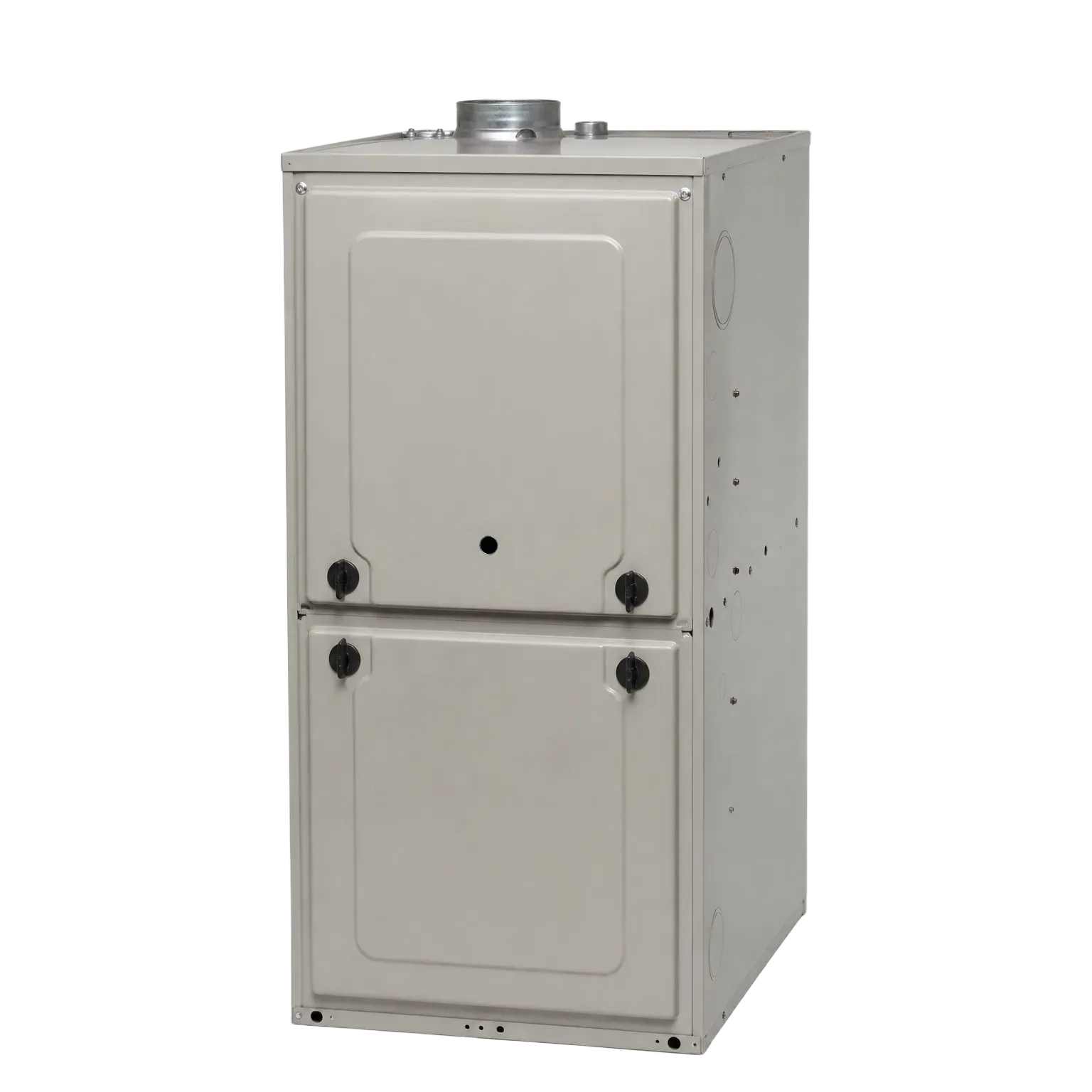
Furnace running on its own
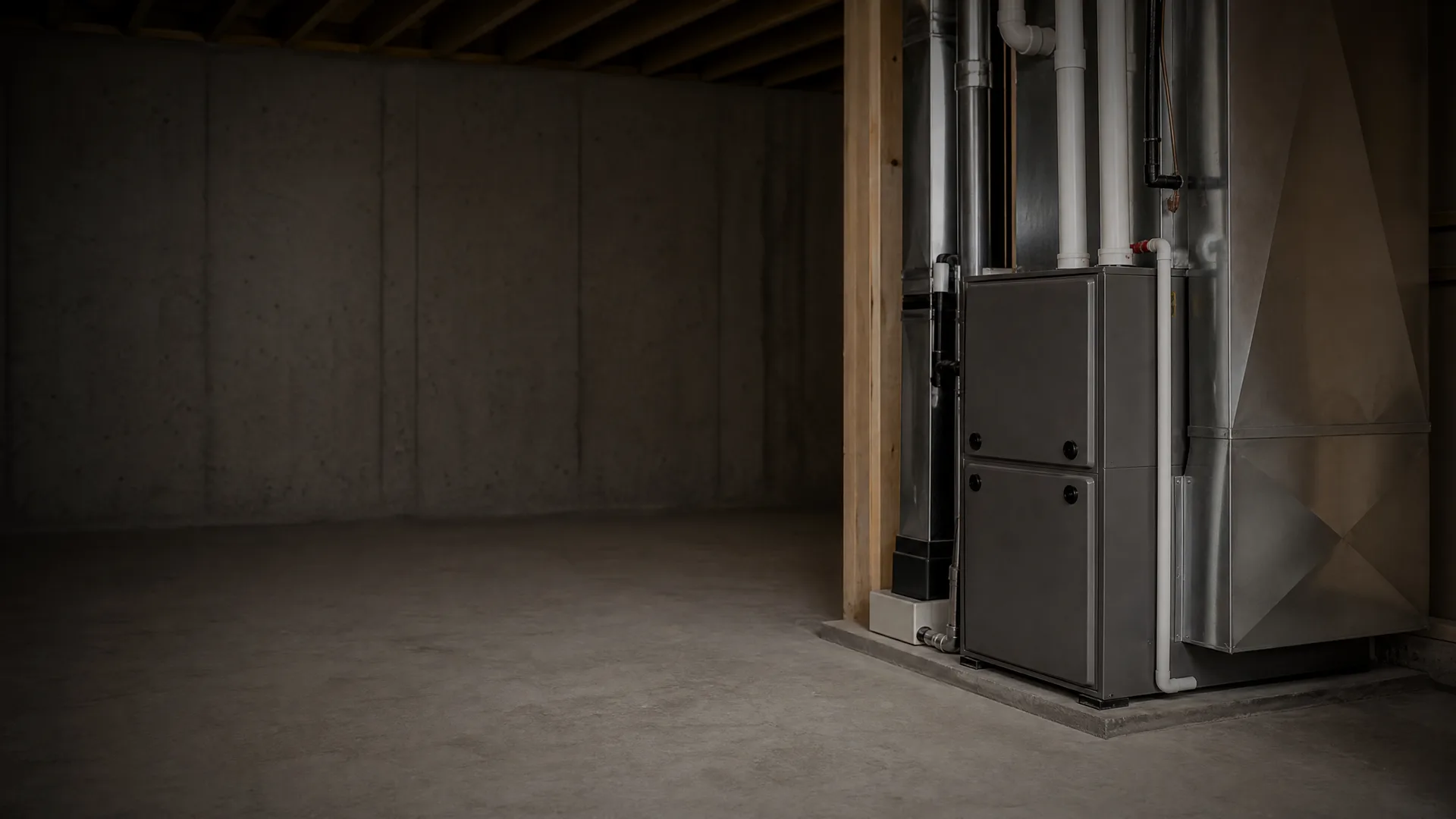
This is a furnace heating the house without anything added to the duct. Warm air moves up through the sheet-metal trunk into the rooms, and that's the whole job for most of the winters Arizona sees.
A local installer who puts in furnaces gets your project.
Match me with a proMost homes in Arizona don't need one. Summers here are hot and dry, but winters are short and mild, and the dry air that bothers people most comes from air conditioning running half the year, not from the furnace. A humidifier earns its keep in places with long, cold winters where heated indoor air drops to levels that crack wood floors and dry out sinuses for months at a time. Arizona furnaces just don't run long or often enough for that to build up the same way. If dry air bothers you here, it's more likely tied to how much you run the AC, or just the desert climate itself, than to your furnace. A whole-home humidifier is still an option if you want one, and a contractor who installs them can tell you whether your ductwork and furnace can support it.




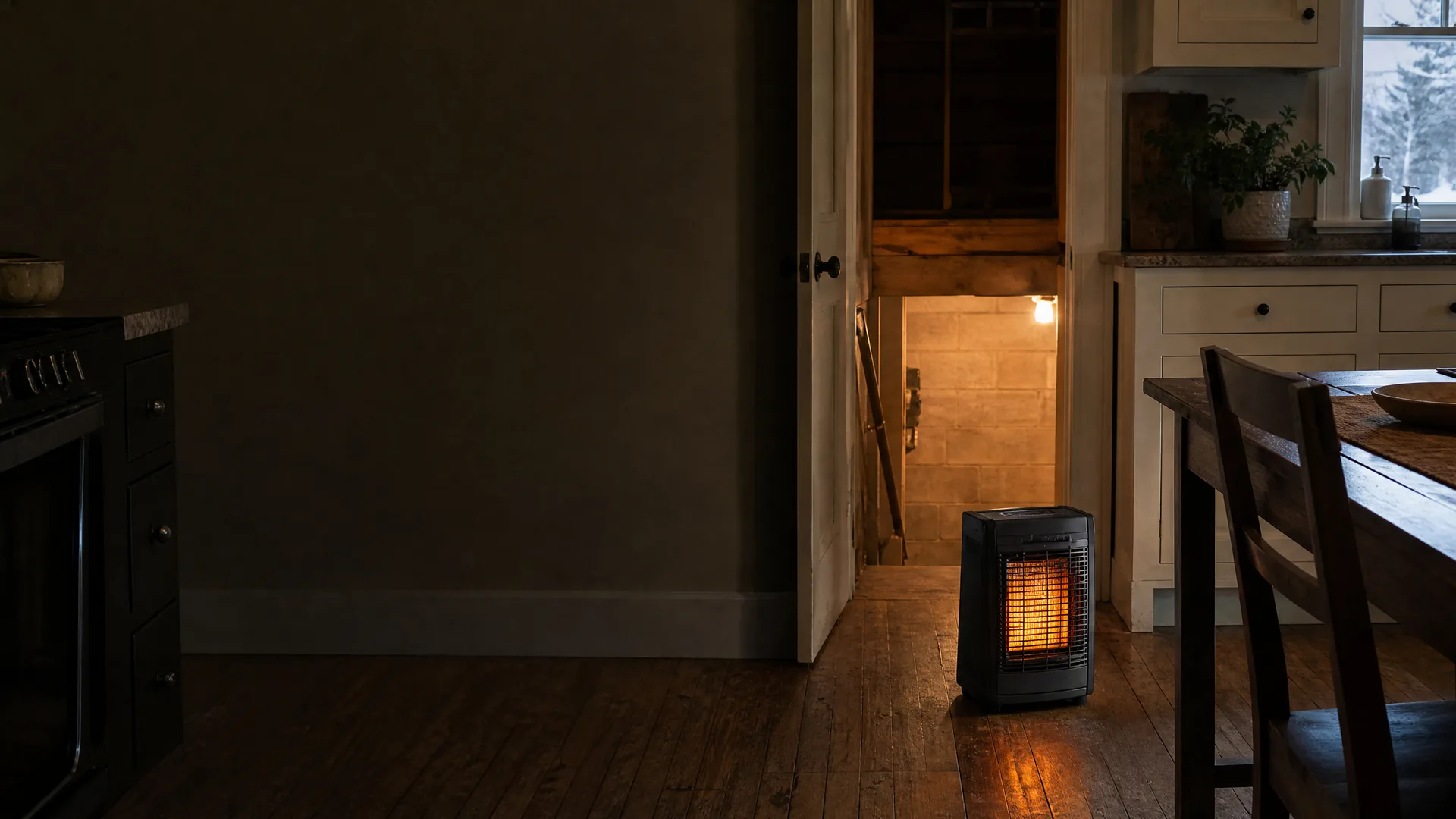
The space heater's on because the furnace hasn't kicked on in days. It's early, the light still gray through the kitchen window, and you've got a mug in your hands and the basement door standing open where you went down to check on the furnace anyway, just to look at it. Your skin's been dry for weeks, lips cracked, and you came down here half expecting to find the answer sitting in the ductwork. There's nothing wrong with it. The dryness isn't coming from here. It's the AC, running since April, that's been pulling the moisture out of this house. A furnace humidifier wouldn't touch what's actually bothering you, and a local contractor who installs these for a living could tell you that in five minutes, and what would.
Your request goes to one pro, not a list of companies.
It costs nothing to send, and you don't have to hire anyone.

A furnace humidifier mounts on the supply duct, the one carrying warm air from the furnace into the house. A small pad or drum inside it stays wet, and air moving past it picks up moisture on its way to the rooms. A humidistat reads the air and tells the unit when to run, the same way a thermostat tells the furnace when to fire. It only works while the furnace blower is moving air, so it does nothing on the days the furnace doesn't turn on, which in Arizona is most of them.
That timing is the whole problem here. The unit depends on furnace cycles, and your furnace barely runs outside a handful of cool mornings. A contractor who installs these in Arizona knows this and will look first at whether your winters even call for one, rather than quoting the job on request. If you're set on one, matching with someone local who installs them regularly means the sizing and placement get checked against your actual duct work, not just your request.

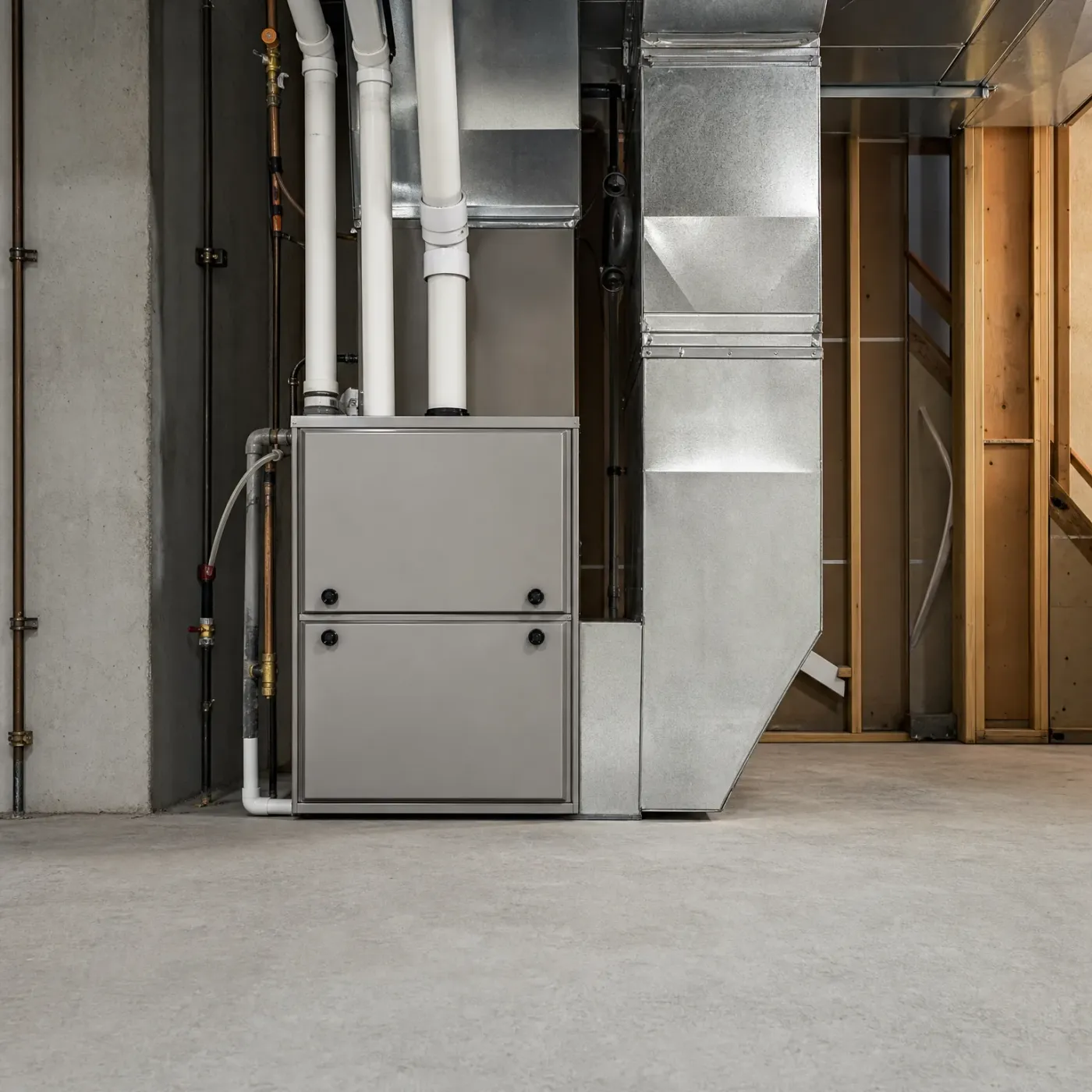
This is a furnace heating the house without anything added to the duct. Warm air moves up through the sheet-metal trunk into the rooms, and that's the whole job for most of the winters Arizona sees.
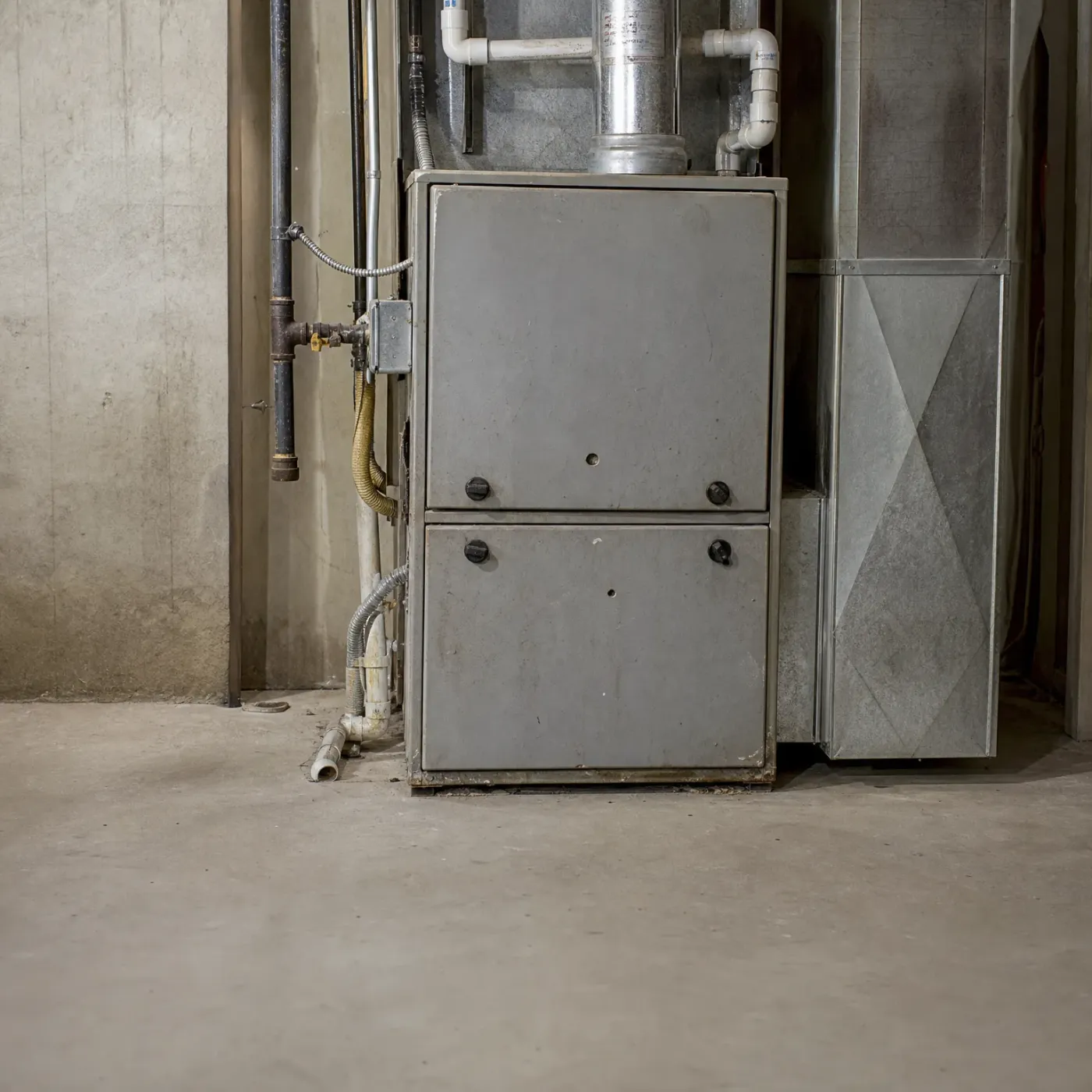
This is the same kind of unit with a humidifier mounted near the air handler, wired into the furnace and tied into the drain line. It adds a part to maintain and a pad or drum that needs replacing on its own schedule.
Nights here average 39°F in December and January, which is mild as winter lows go. Your furnace doesn't have to run long or hard to catch up by morning, so it isn't moving the kind of steady, dry heat that pulls moisture out of a house for months at a stretch.
NOAA nClimDiv 1991-2020 county normals weighted by homes
For most houses in Arizona, the answer is no. Winters are short and mild, the furnace doesn't run long enough to dry out the air, and whatever dryness you're noticing is more likely tied to the air conditioner, which runs most of the year here. Adding a humidifier to a duct that already does its job without one isn't solving anything.
Some houses are the exception. Maybe the furnace runs more than most, or the house holds less moisture than it should, or something about how it's built changes the math. You won't know that from a general answer. Someone who services furnaces in Arizona through the winter sees which houses actually need a humidifier and which ones don't, and that comes from working on this equipment in this climate season after season, not from a guess.
If you move forward, you're matched with one contractor, licensed and local, not a handful of companies competing for the job. That means someone who already knows what usually goes wrong with furnaces in homes like yours looks at your actual setup before telling you anything. For a house you're keeping up the right way, that's a better answer than installing a part most Arizona homes never needed in the first place.
One installer gets your project, so there's no bidding war over it.