Before you get your furnace installation
You're sizing a generator by guesswork, calling around for contractors, and explaining your furnace setup over and over to whoever picks up the phone.

A furnace that runs on electricity needs a generator sized to its blower motor and igniter, not just a space heater's worth of power. Most electric furnaces in Arizona homes draw somewhere between 5,000 and 15,000 starting watts, since the blower motor pulls a hard surge the moment it kicks on, then settles to a lower running wattage. A generator rated for that surge, not just the running load, is what actually keeps the furnace working. Undersize it and the furnace may start, then trip the generator or stall out partway through a cycle. Since homes here heat with electricity instead of gas, the furnace is often the single biggest draw a generator has to cover, more than lights or a refrigerator combined. Getting the size right means knowing your specific furnace's nameplate numbers, not a guess based on square footage.




A furnace nameplate lists running watts, the power it needs once everything is already spinning. That number is not what trips a generator. The moment the blower motor kicks on, it pulls several times its running wattage for a second or two while the motor comes up to speed, then settles down. A generator has to be sized for that starting spike, not the lower number printed on the furnace. If the furnace is paired with electric strip heat, that part of the load does not spike and settle, it just runs steady for as long as the heat is called for, and the generator has to carry it the whole time alongside everything else. The control board and igniter are pickier still. They need voltage that holds steady, not a generator that sags every time the blower cycles on. A generator that dips too low under load can reset the board mid-cycle. Then there's what else is on the same panel. A well pump or an AC compressor has its own starting spike, and if either one can start at the same moment as the furnace, the generator has to be sized for both spikes together, not just the furnace's. A transfer switch handles where the power goes, feeding the furnace circuit straight from the generator instead of the dead utility panel, so none of this depends on anyone remembering to flip something by hand.
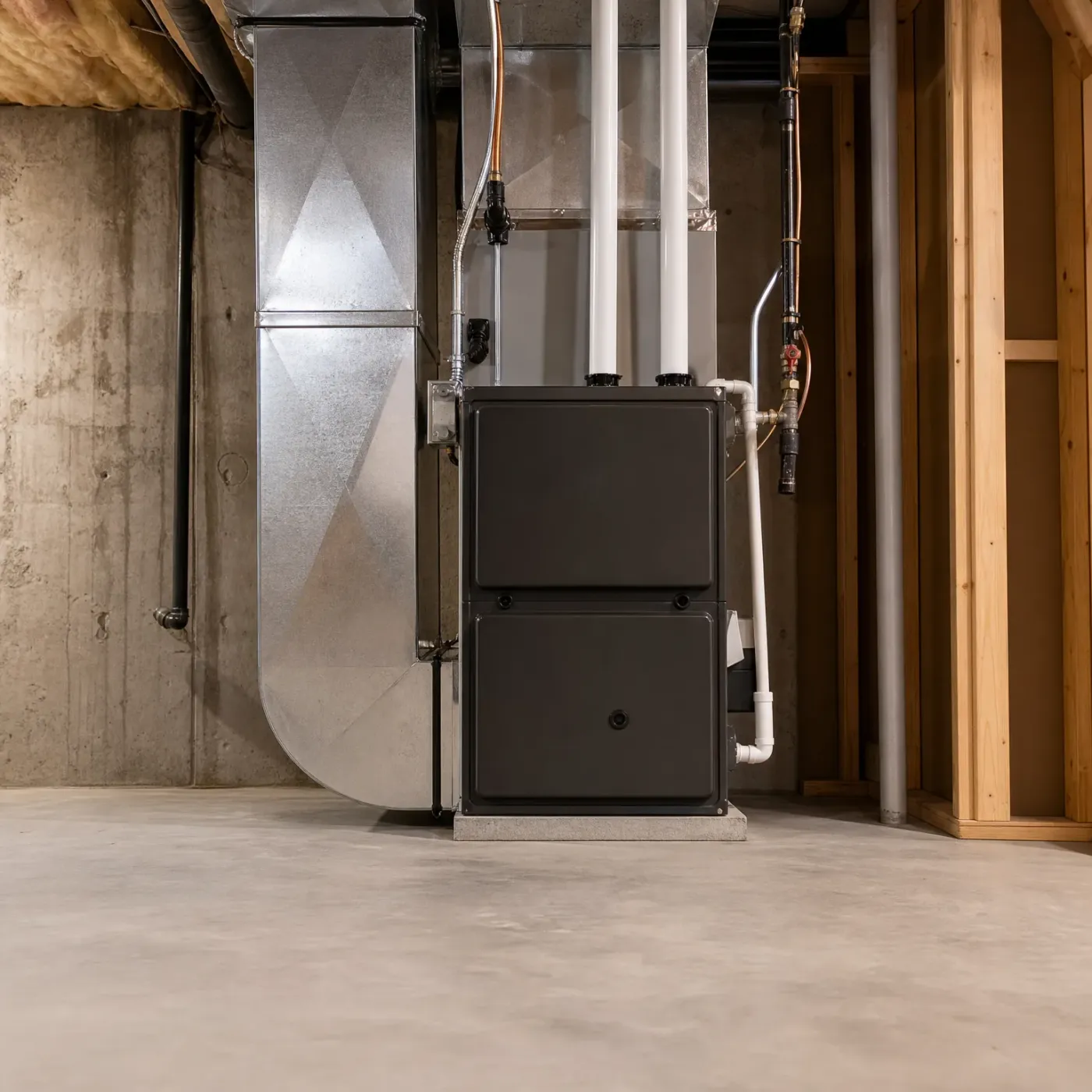
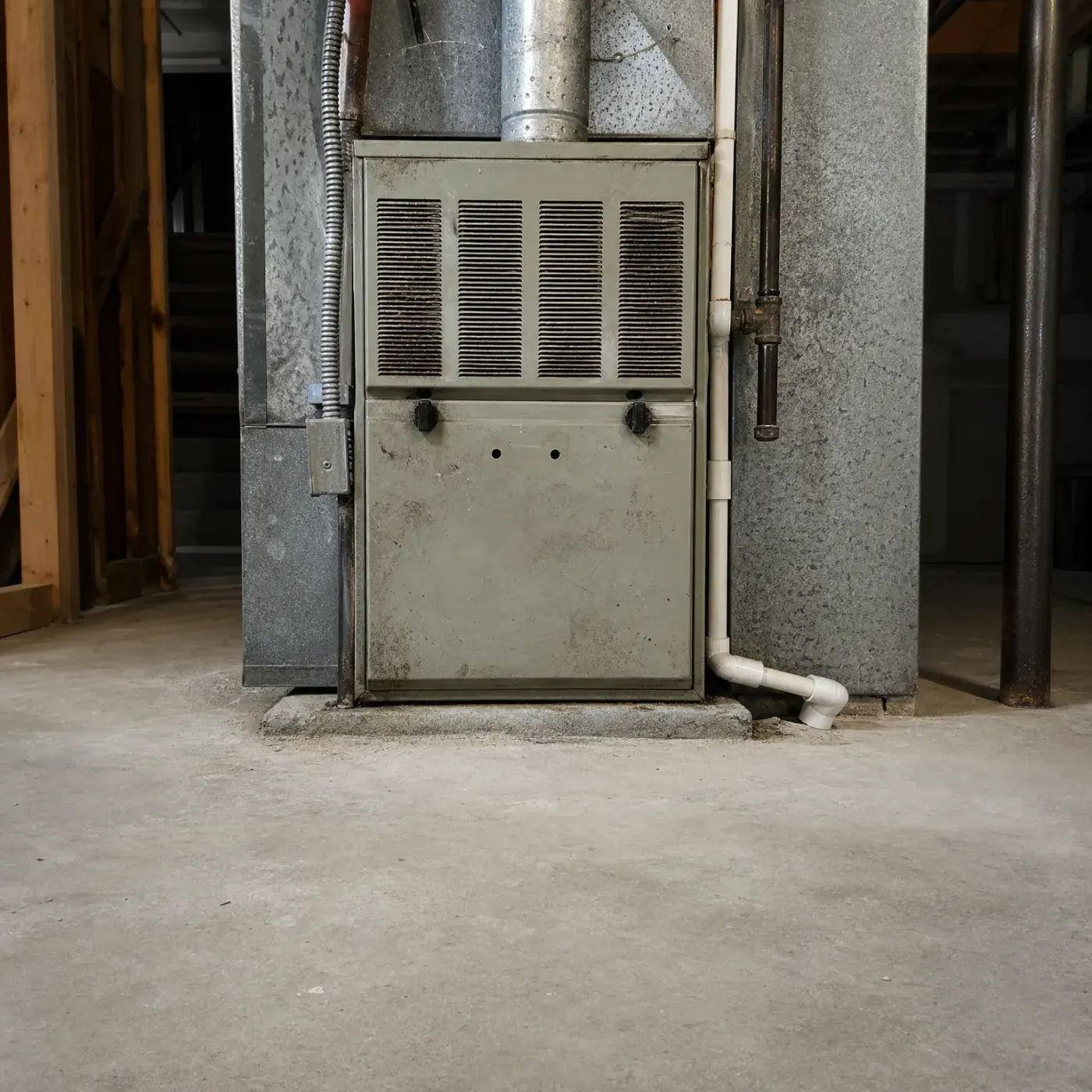
Get the size wrong and you find out when the power is already out and the house is already cold. The blower motor needs a hard push to start, and a generator that can't give it that push leaves you standing in a dark house listening to the unit try and fail. Try again and again, and you can trip the breaker, which shuts the whole generator down, furnace included. If your furnace runs electric strip heat alongside the blower, that's a steady draw on top of the startup draw, and a generator sized too close to the edge will struggle to carry both for the hours an outage can last. Push a generator at its limit long enough and it wears faster, and a furnace that keeps stalling on startup puts strain on the control board behind the panel. Size it right from the start and the thermostat gets satisfied, the blower comes up clean, and the system holds steady instead of cycling. That's the difference between a generator that works and one that just runs.


A power outage in January or February still means cold nights here, and an electric furnace does nothing without the right generator behind it. Matching a generator to a furnace's starting watts, and to any strip heat paired with it, isn't a guess you want to make alone off a nameplate number. Get the sizing wrong and you find out at the worst time, when the blower won't start and the house is already cold. Instead of calling around to find someone who installs generators for homes with electric furnaces, checking licenses, and explaining your setup over and over to each one, send the request once. You stop carrying the job of finding the right person and that search stops being yours to do. A contractor who installs home generators gets your request and takes it from there, sized to your furnace, not a generic number.
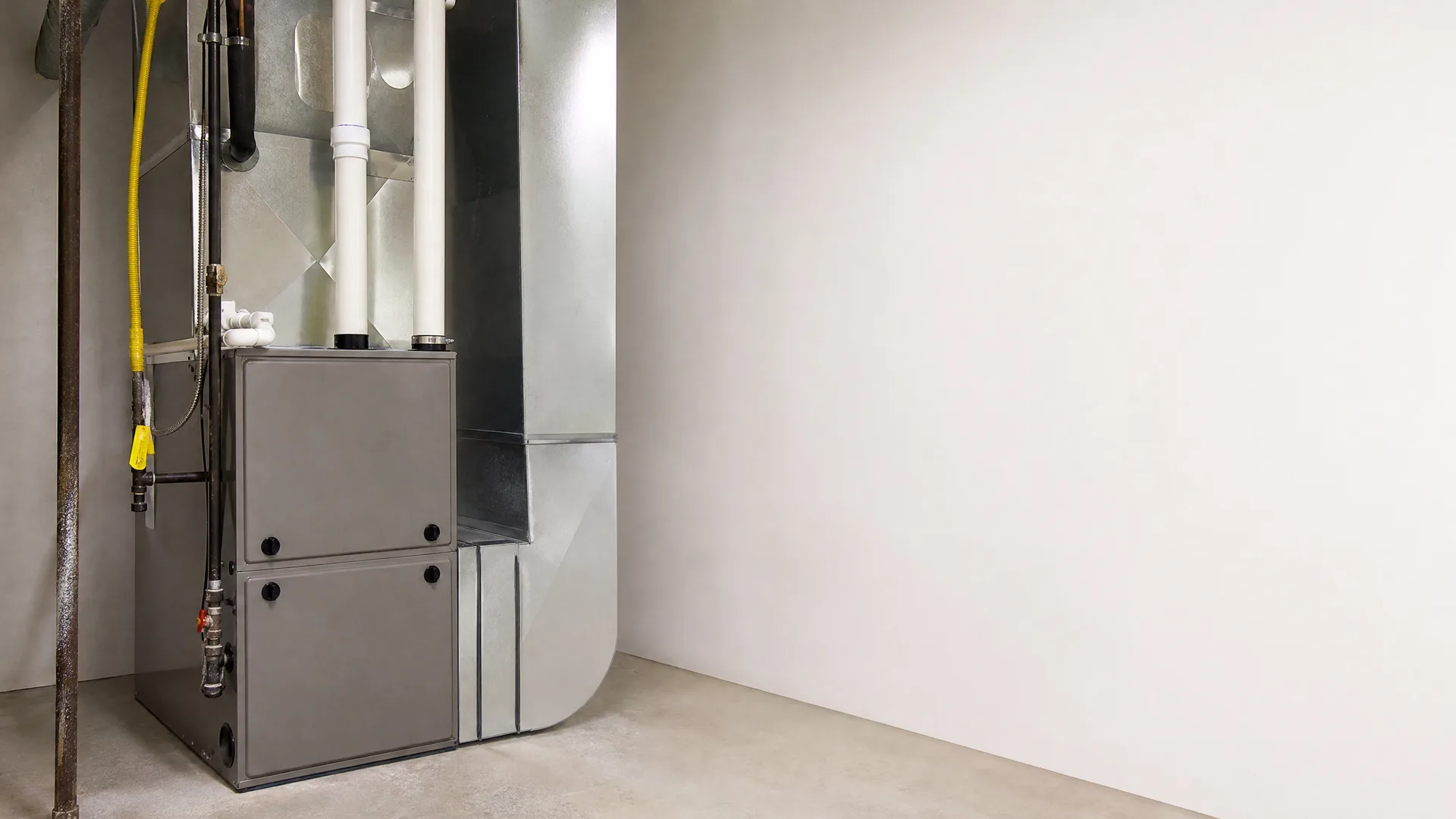
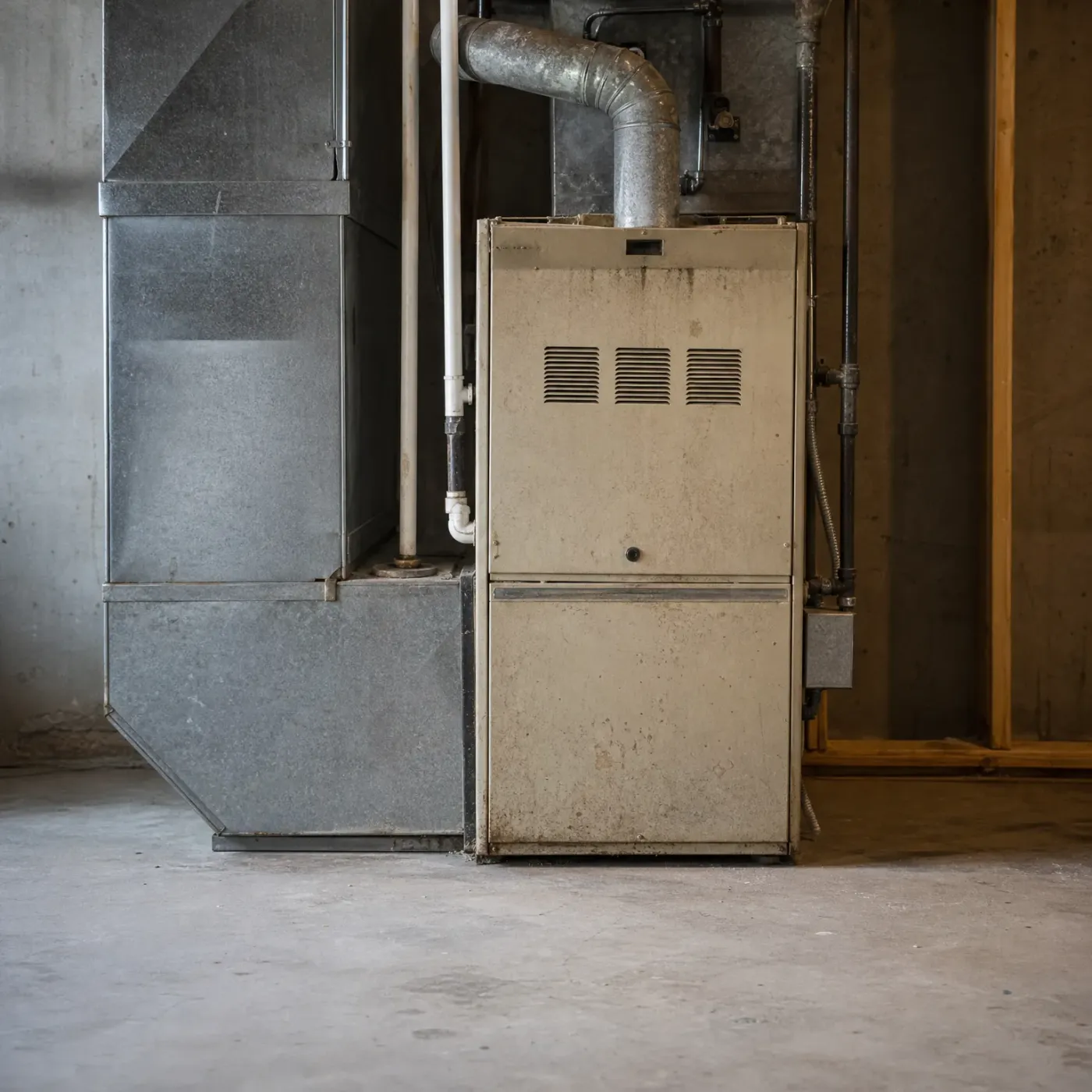
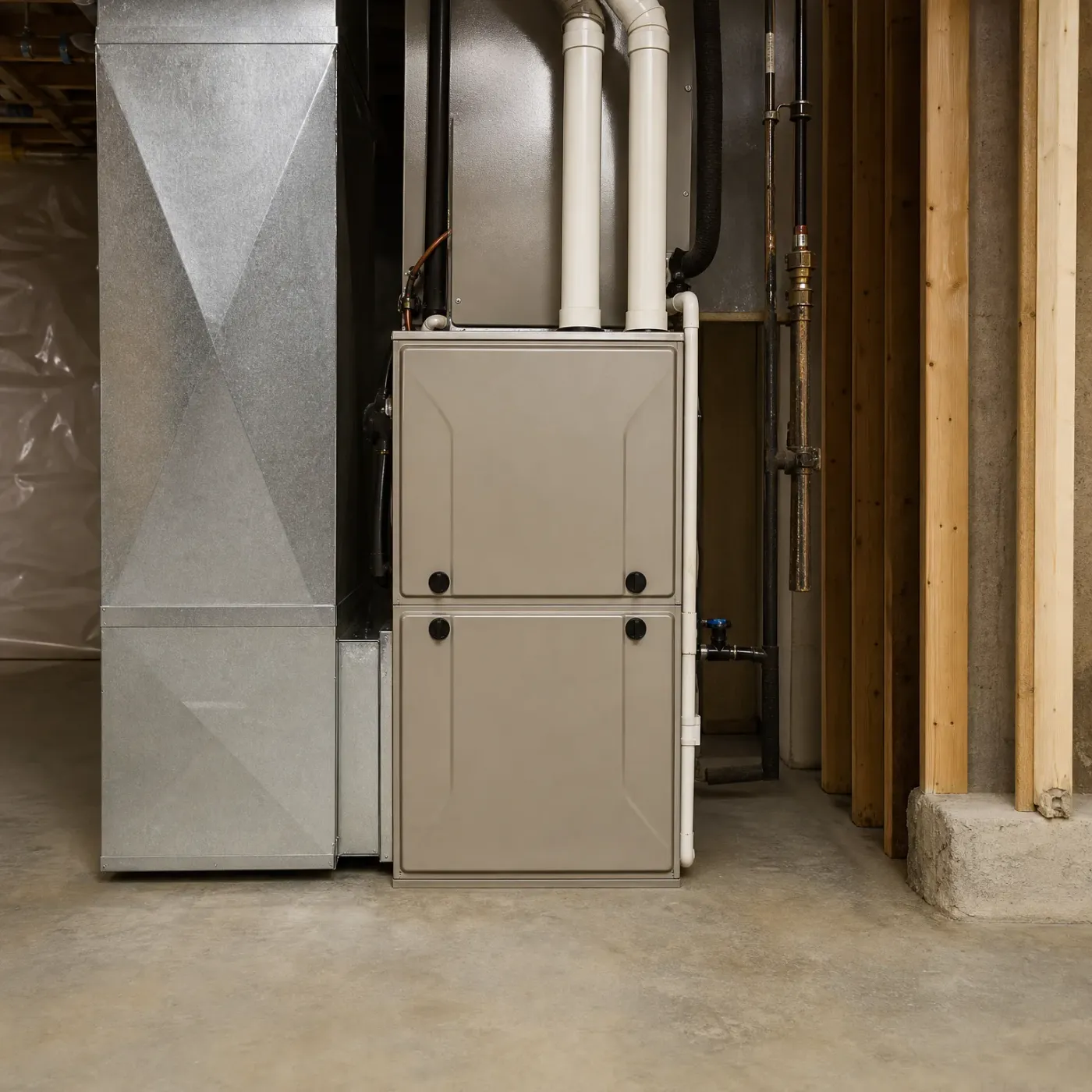
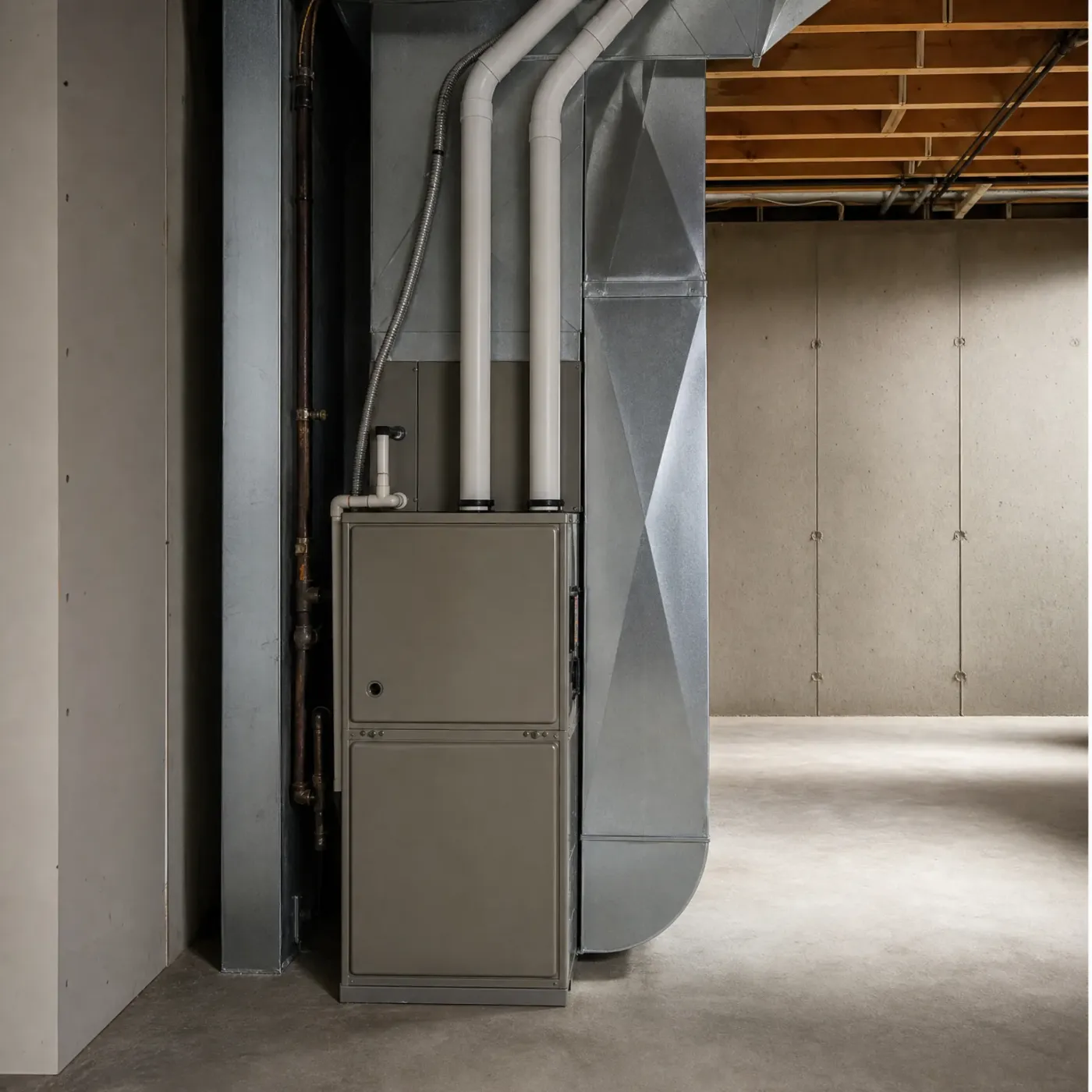
The furnace's data plate or the air handler's panel lists the running watts or amps draw for the blower motor and any strip heat. Starting watts run two to three times higher than that running figure, and that gap is what a generator sizing has to cover. If the panel only lists amps, multiply by the voltage, usually 240, to get watts.
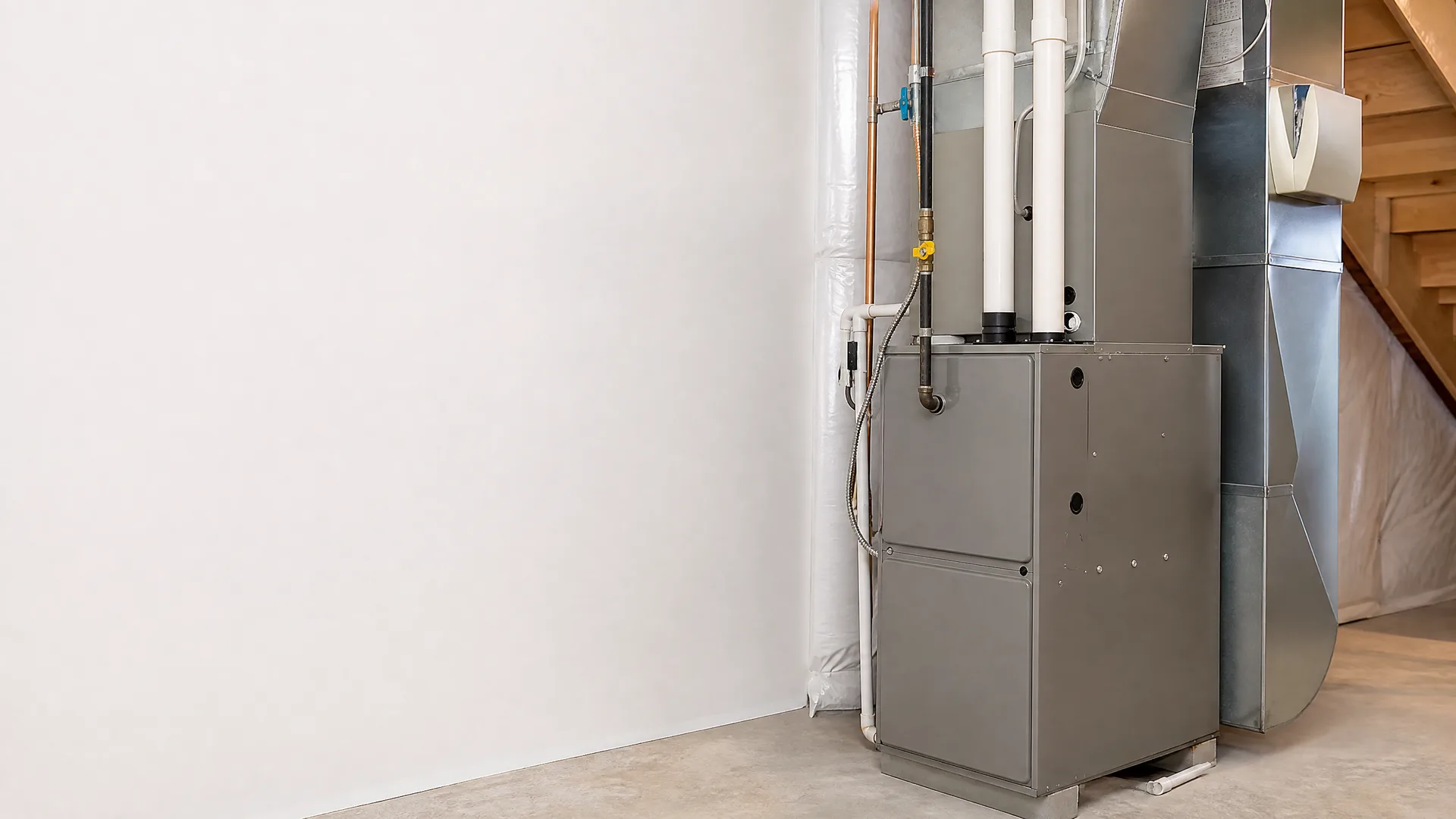
Electric strip heat draws power the whole time it runs, not just at startup, and it can pull more continuous wattage than the blower motor ever does. A furnace with 10 kW of strip heat needs roughly 10,000 running watts on top of the blower's draw. Skipping that figure is the most common reason a generator that seemed big enough still can't carry the furnace.
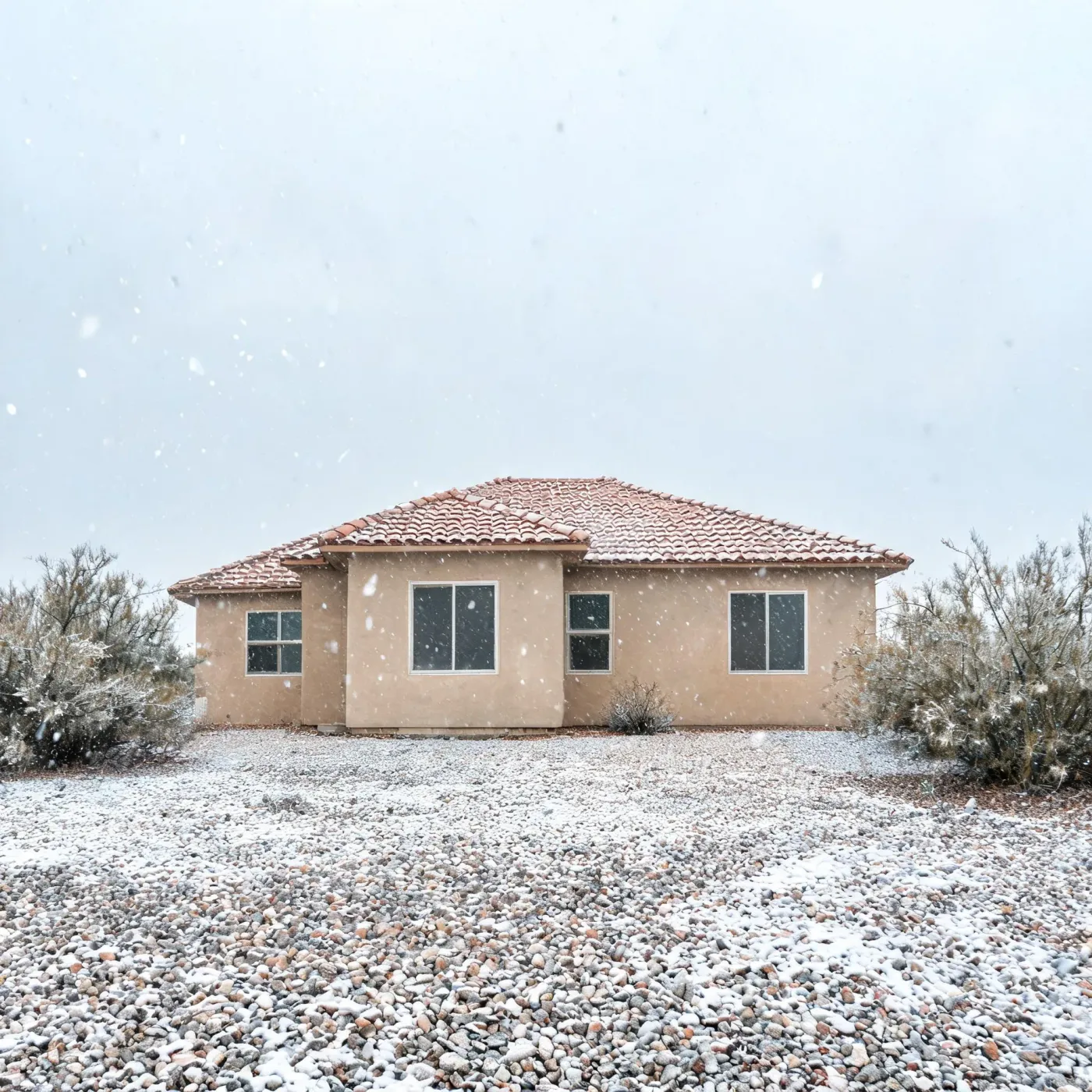
Statewide, winter nights average 39°F, cold enough that an electric furnace runs most of the night to hold a house steady, not just in short bursts. That's what the National Weather Service's statewide averages show. A generator that can't carry the blower motor through its full cycle means the furnace shuts off partway through the night and the house cools back down before morning. On a night that cold, you'd feel it in a couple of hours, not just notice it the next day. Sizing the generator to the furnace's starting watts is what keeps it running through those hours instead of cutting out partway.
NOAA nClimDiv 1991-2020 county normals weighted by homes
You're sizing a generator by guesswork, calling around for contractors, and explaining your furnace setup over and over to whoever picks up the phone.
Someone licensed has matched the generator to your furnace's starting watts, and the search for who can do that is already done.
39°F is a statewide average, and it sits low enough that your furnace isn't cycling on and off, it's running for hours at a stretch overnight. A generator that can only handle short bursts won't hold up through that.
NOAA nClimDiv 1991-2020 county normals weighted by homes
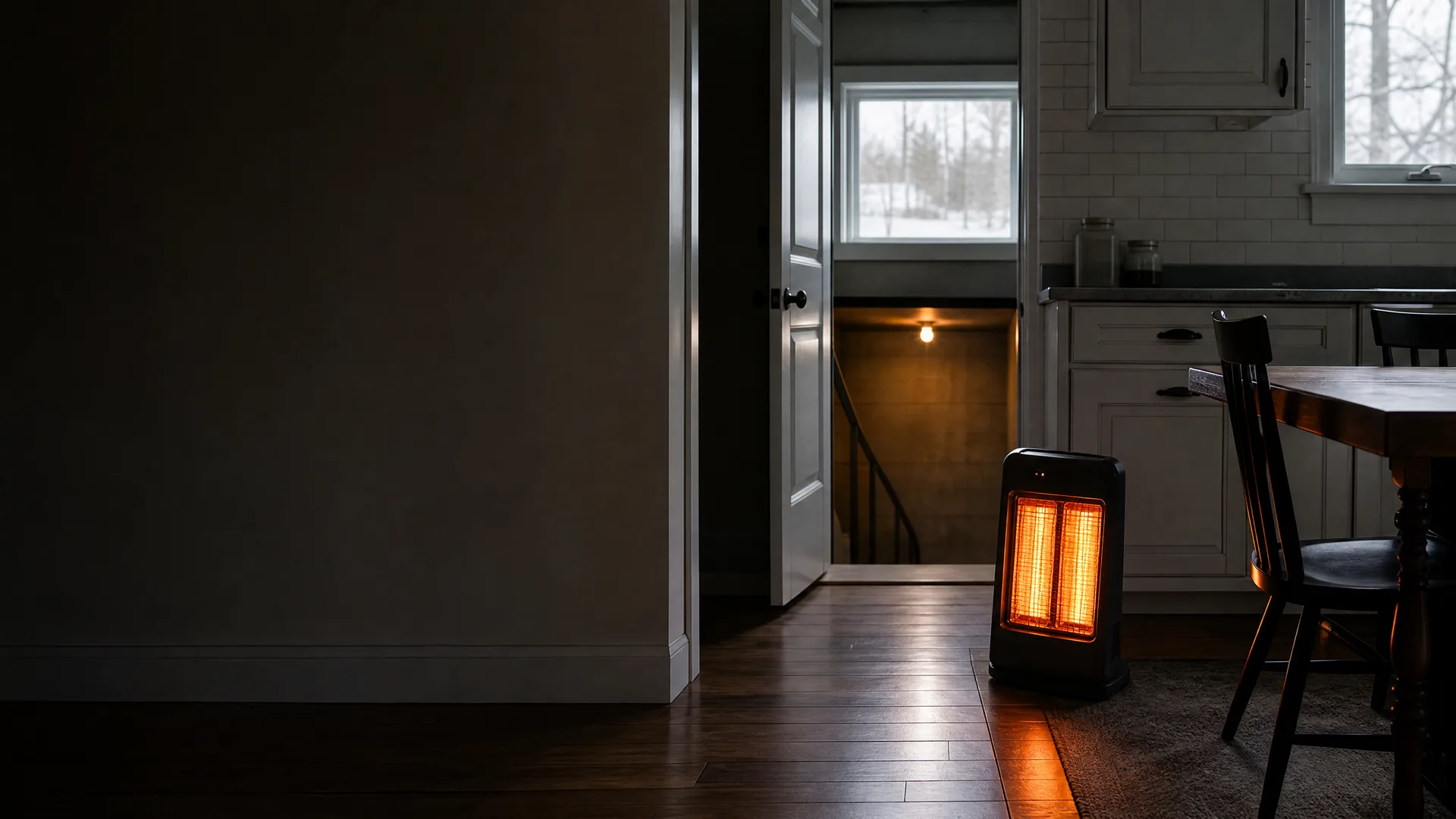
It's just past six and still dark outside. The power's been out since the wind kicked up last night, and the kitchen is cold enough that you can see your breath near the window. A space heater hums by the table, its coil glowing orange, doing what it can for the room you're sitting in. The basement door behind it is open, and past it the furnace sits dark and silent, waiting on power it doesn't have. You've got a blanket over your shoulders and a mug going cold in your hands. Outside, the desert morning is clear and bright, the kind of cold that feels sharper because the sun hasn't reached the yard yet.

Size it to the starting watts, not the running watts, and account for any strip heat paired with the furnace. That's the whole answer. A generator that clears the blower motor's first-second surge will carry the house through a January night without a stumble. One sized to the running figure alone will stall the first time the blower kicks on.
Getting there without the guesswork is the other half of it. Instead of reading nameplate numbers on your own, calling a few contractors, and describing your furnace setup to each one before you find someone who'll size it right, you send one form. From there, a licensed contractor takes the sizing and the installation off your hands, and the only thing left on a cold night is a furnace that comes on when the power doesn't.

Describe the project once instead of to every installer.
Sending the form costs nothing.