






Why your furnace ignitor keeps failing in Arizona

Step 1 of 3: Equipment

A furnace ignitor that keeps failing is usually getting hit by dust rather than wearing out on its own. In Arizona, furnaces sit idle most of the year and the ductwork fills with fine, dry dust in that time. When the system finally kicks on in the cooler months, that dust gets pulled across the hot surface ignitor, and the ignitor is a thin, brittle strip that cracks under uneven heat the same way a glass does under hot water. A furnace that only runs for a handful of months a year never gets that strip clean enough to last the way it would in a place that heats all winter. If yours has failed more than once, the ignitor itself probably isn't the problem. Something is feeding it dust or power it wasn't built to take, and that keeps happening until a contractor finds the actual cause.

Winter nights average 39°F statewide

39°F doesn't sound like much of a demand, but it's enough to send your furnace through short, frequent cycles most winter nights instead of one long steady run. Each start pushes current through the ignitor, and an ignitor already coated in dust runs hotter and cracks sooner.

NOAA nClimDiv 1991-2020 county normals weighted by homes

  1. Furnace calls for heat and sends power to the ignitor.

  2. Dust coating the ignitor makes it draw more current to glow hot.

  3. The hot surface cracks under the extra strain over repeated cycles.

  4. A cracked ignitor fails open and stops the furnace from lighting.

A smiling man in a dark navy sweater sits on a light sofa in a living room, with a glass bowl of popcorn on a wooden coffee table and bookshelves behind him.
A smiling man in a dark green sweater sits on a tan leather sofa in a dimly lit living room, with a bowl of popcorn in the foreground and a kitchen area blurred behind him.
A smiling middle-aged man in a dark shirt sits on a gray sofa in a living room, with a bowl of popcorn on a side table and shelves, a window and kitchen area behind him.
A smiling bearded man in a dark gray t-shirt sits on a gray couch in a living room, with a large glass bowl of popcorn on a wooden table in the foreground.

You notice the pattern before anyone names it. The furnace lights fine for a few weeks, then one morning it clicks and clicks and never catches. You swap the ignitor, or someone does, and it works again until it doesn't. That cycle is the dust in your ductwork working on the part every time the furnace fires, not a run of bad luck on a cheap piece. It tends to show up on the nights you need it least interrupted, because those are the nights the furnace is cycling the most to keep up. If you've already replaced the same ignitor more than once this winter, that's not a part with a defect. That's a system pulling dust across an ignitor every time it calls for heat, and it will keep cracking ignitors until the dust problem gets addressed along with the part. Until then, every fix is temporary, and every cold snap is another chance for it to happen again, usually at the worst hour to be without heat.

What Repeat Failures Mean For You

  • A furnace that short-cycles on and off several times a night puts more strain on the ignitor than one that runs long and steady.
  • Dust buildup on the ignitor means your furnace draws more current each time it tries to light, and that extra draw is what cracks it.
  • An ignitor that fails mid-winter usually goes out on the coldest night, since that is when the furnace is cycling hardest.
  • Replacing the same ignitor two or three times in a winter points to dust in the system, not a bad part from the factory.
  • A furnace that won't light at all, or clicks without catching, often means the ignitor has already failed open.
  • Left alone, repeated ignitor failures mean repeated nights without heat until someone swaps the part again.
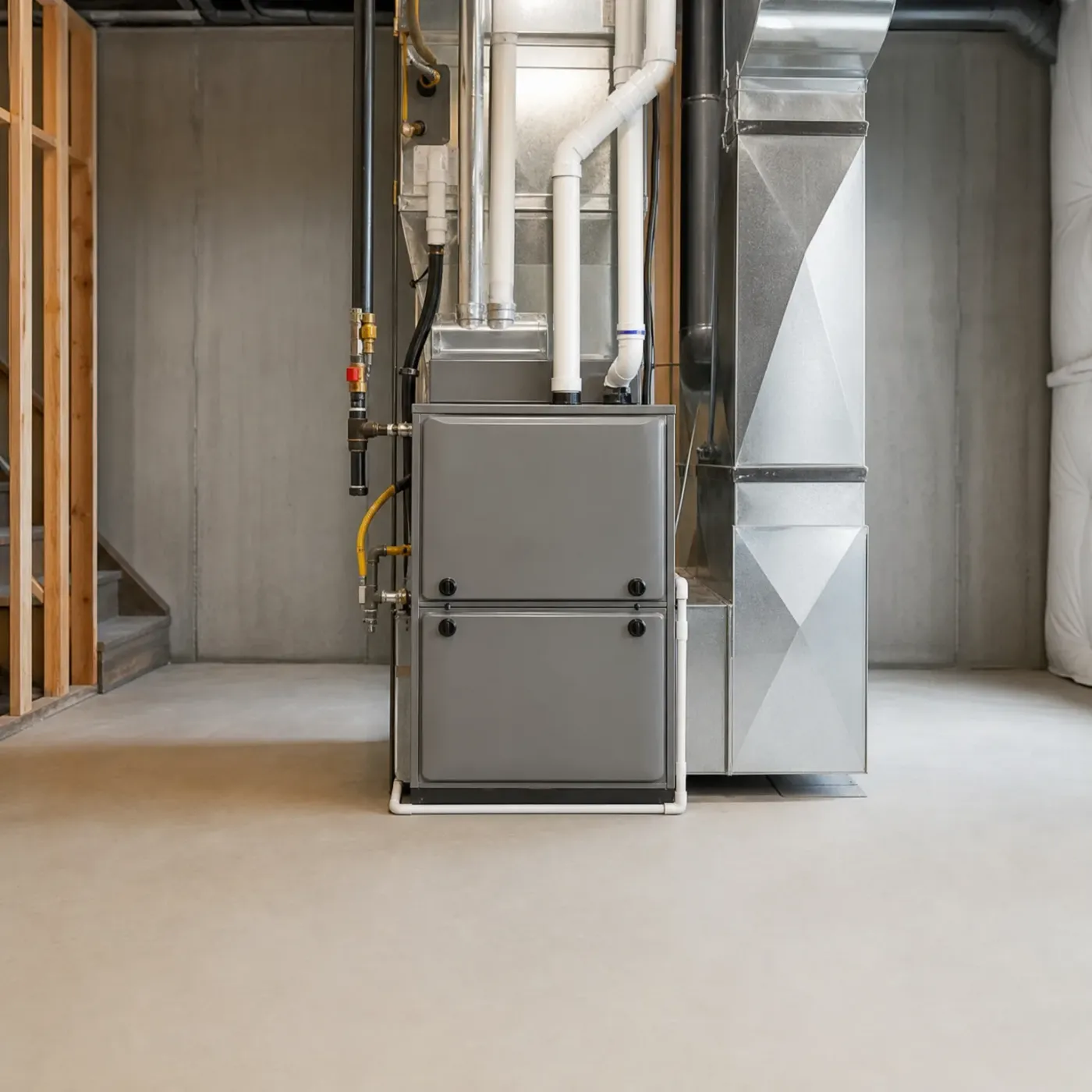
A gray high-efficiency furnace in a basement with PVC venting pipes, a yellow gas line, metal ductwork, concrete walls and floor, and a wood-framed stairway at left.
A clean ignitor glows evenly and lights the burners on the first try, cycle after cycle.
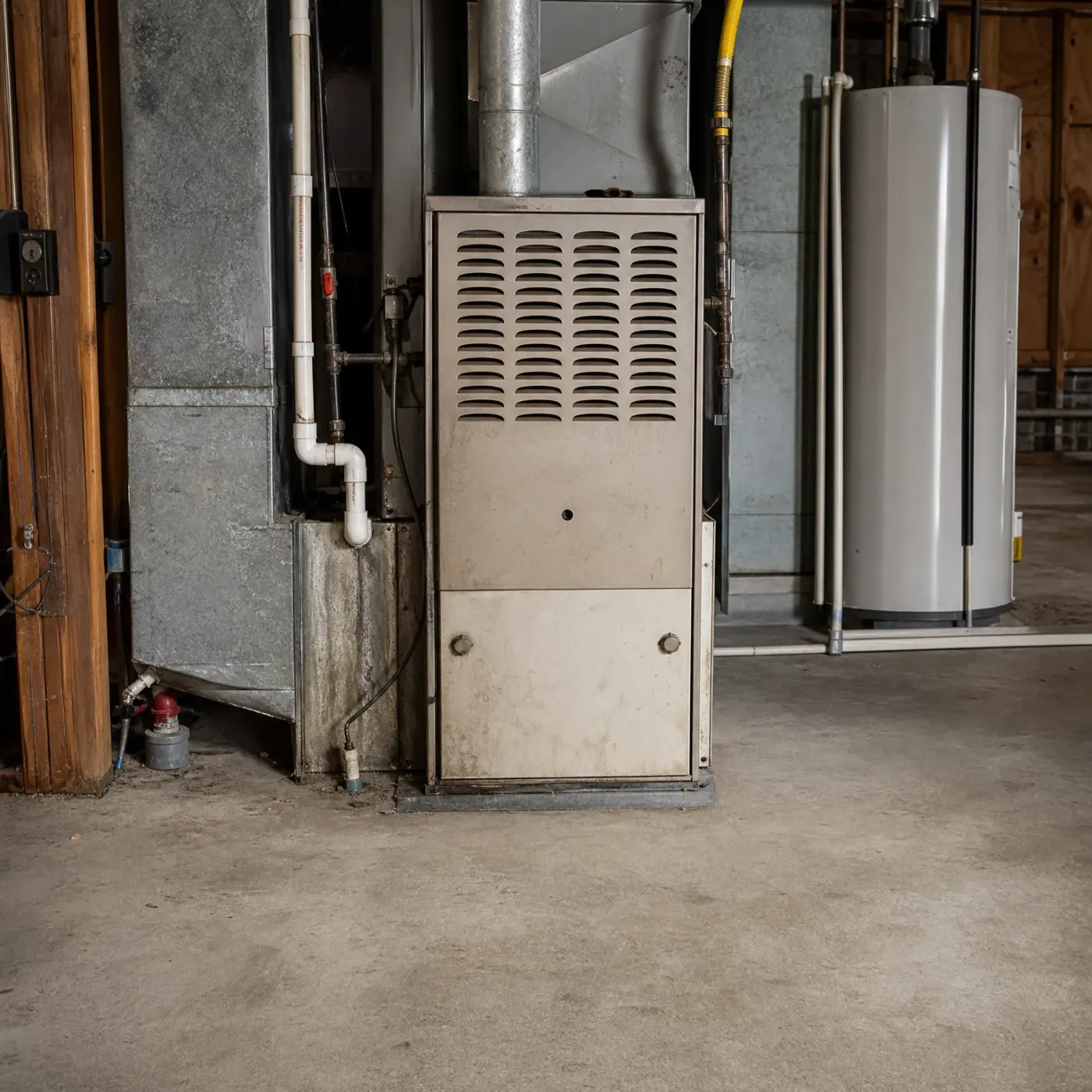
A beige furnace with a louvered front panel and metal ductwork stands on a concrete basement floor beside pipes and a white cylindrical water heater.
Dust coating the ignitor like this makes it work harder every time your furnace calls for heat.

How often should a furnace ignitor need replacing?

You've already replaced this ignitor once, maybe twice, and you're wondering if that's just how it goes or if something is cutting its life short. A part that should last years is giving out in a season or two, and you want to know what's normal before you spend money on another one.

A silicon nitride ignitor should last several years, not one winter

If yours is failing every season, something is working against it. A furnace that short-cycles because the thermostat is set low pushes the ignitor through more hot starts in a few months than it would see in years of normal runs. Dust coating the surface makes that worse, since it draws more current each time to reach the same glow. In most homes the two go together: a dry attic feeding dust into the ducts, and cool desert nights calling for heat in short bursts. Neither one is something the ignitor can hold up against on its own. Replacing it again without dealing with the dust or the cycling just resets the clock.

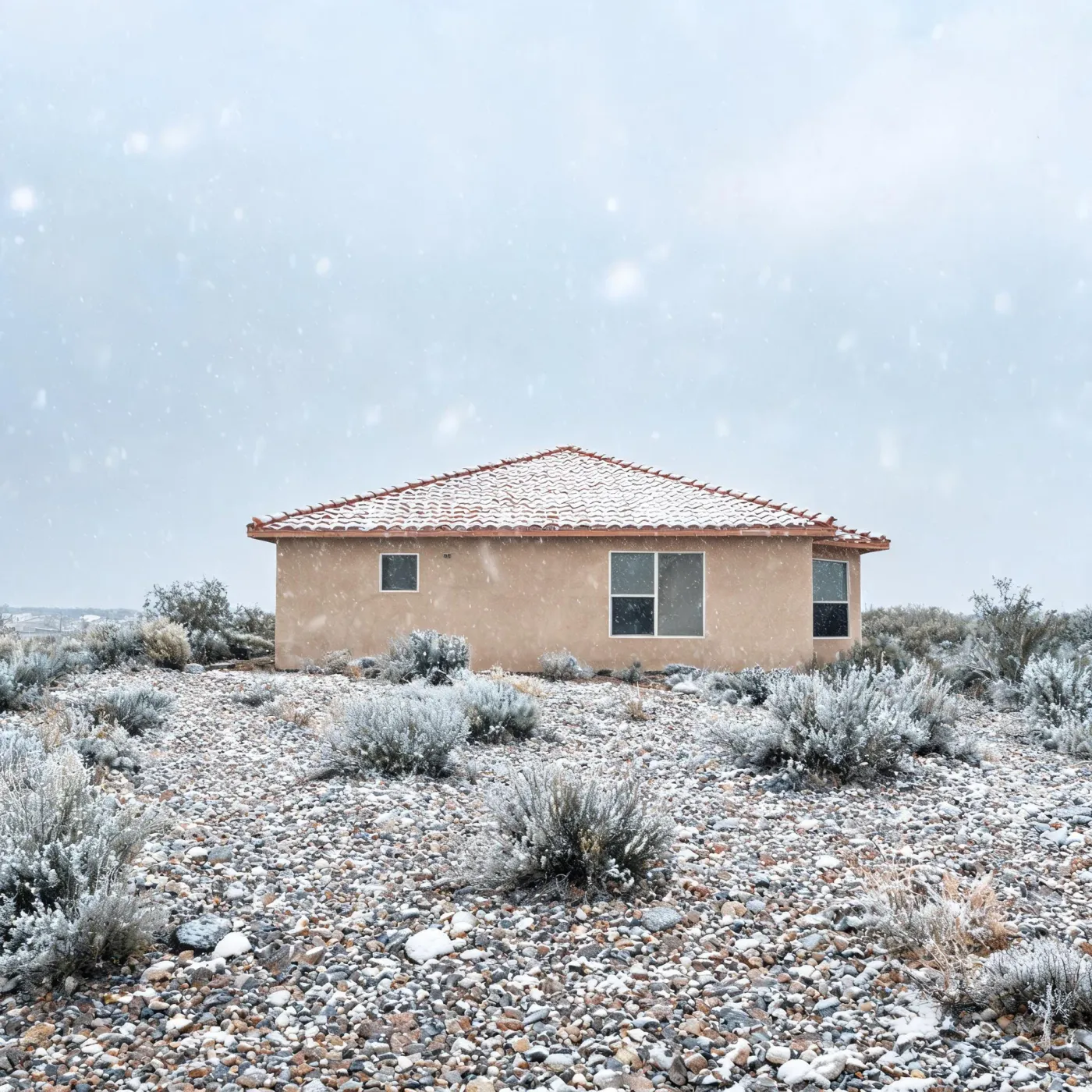
A single-story tan stucco house with a red tile roof stands amid snow-dusted desert scrub and a rocky gravel foreground during falling snow.

39°F is the average low across Arizona on winter nights, and that's the number setting your furnace's pace all season. It's not cold enough to run long and steady, so the burners light, run a few minutes, shut off, and light again a little later, over and over through the night. Each restart is another jolt of current through the ignitor, and one already carrying a season's worth of dust takes that jolt worse than a clean one would. If yours has failed more than once, this is why it keeps happening rather than being a one-time fluke. A contractor can look at both the ignitor and what's feeding dust into it. Send the form and that search is off your plate.

NOAA nClimDiv 1991-2020 county normals weighted by homes

A local pro for your furnace repair

A furnace ignitor that keeps going out isn't a part worth replacing over and over on your own. Each one you put in starts coated in the same dust the last one choked on, in the same ductwork, on the same short, cold-night cycles. Nothing about swapping the part changes what's coating it. What actually stops the pattern is getting the dust out of the system and the ignitor itself looked at by someone who can tell you if the duct, the filter, or the furnace's cycling is driving the buildup. That's a diagnosis, not a part swap, and it's worth having someone qualified walk through it with you instead of guessing again. Sending the request means you're done tracking this down on your own. A contractor who handles this in Arizona takes it from here, and you can stop pricing ignitors every few months and wondering when the next one quits.

A woman with dark hair in a bun reclines on a sofa with her eyes closed, wrapped in a cream fleece blanket, a closed blue hardcover book resting in front of her, with a lit lamp and a vase of dried flowers in the background.
A smiling bearded man in a navy sweater sits at a candlelit dinner table with a glass of red wine, a bowl of salad, and plates of food in the foreground.
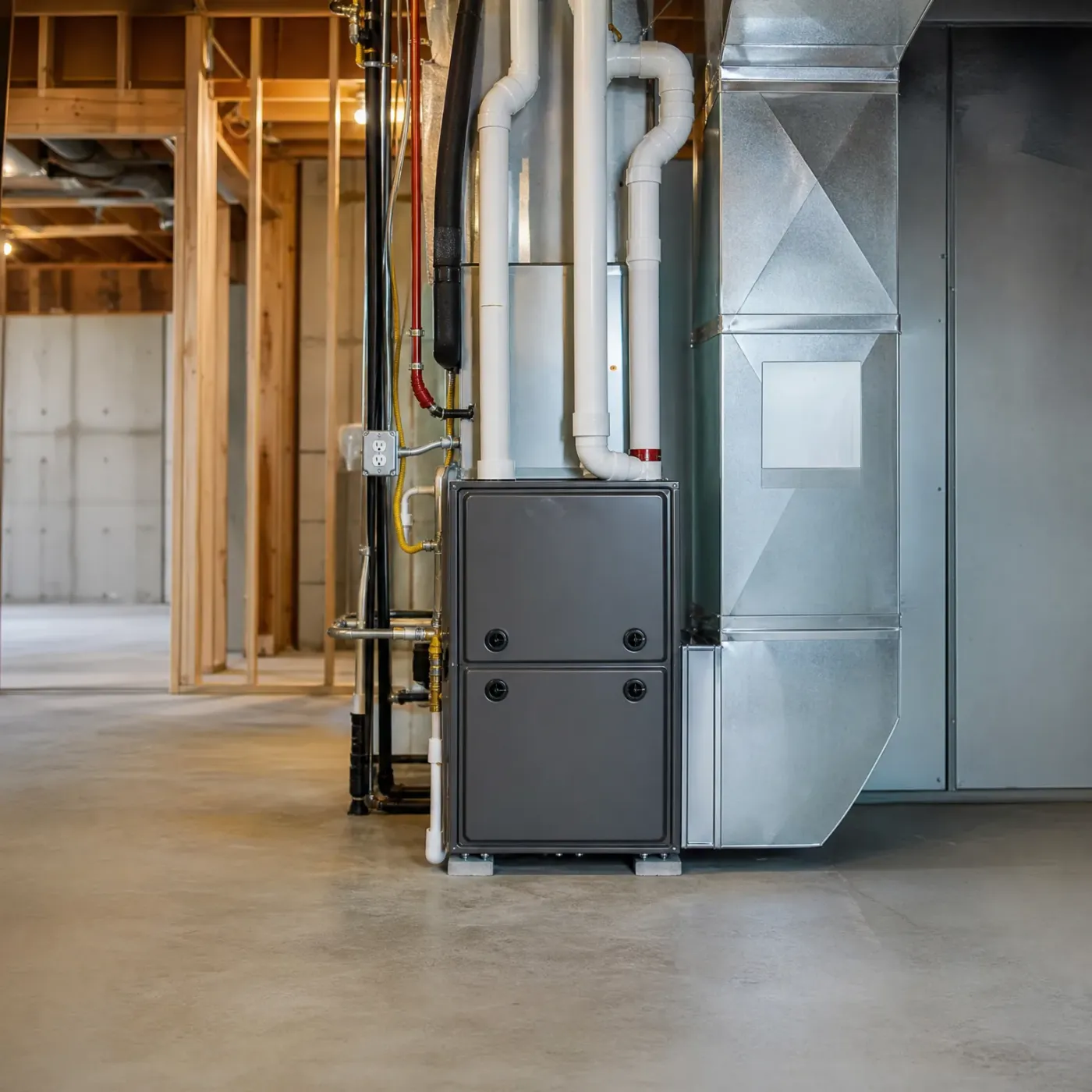
A gray high-efficiency furnace stands on a concrete basement floor beside galvanized sheet-metal ductwork, with white PVC vent pipes, gas and water lines, and unfinished wood framing behind it.

Furnace running clean

This is a furnace moving air the way it should. The ignitor glows, lights the burners, and shuts off clean at the end of a cycle, with nothing in the ductwork to coat it in between. A system kept clear of dust can run this way for years without a second ignitor.
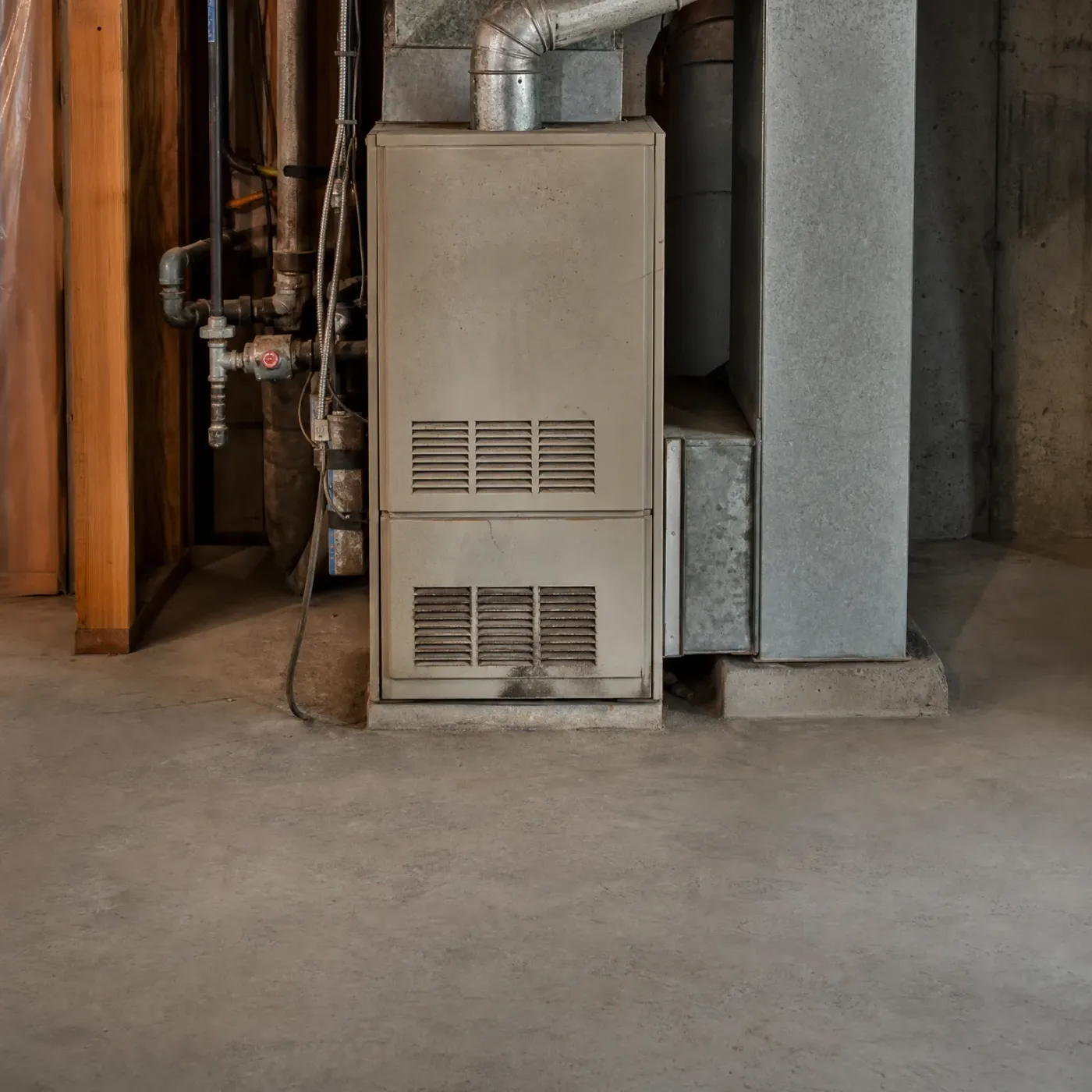
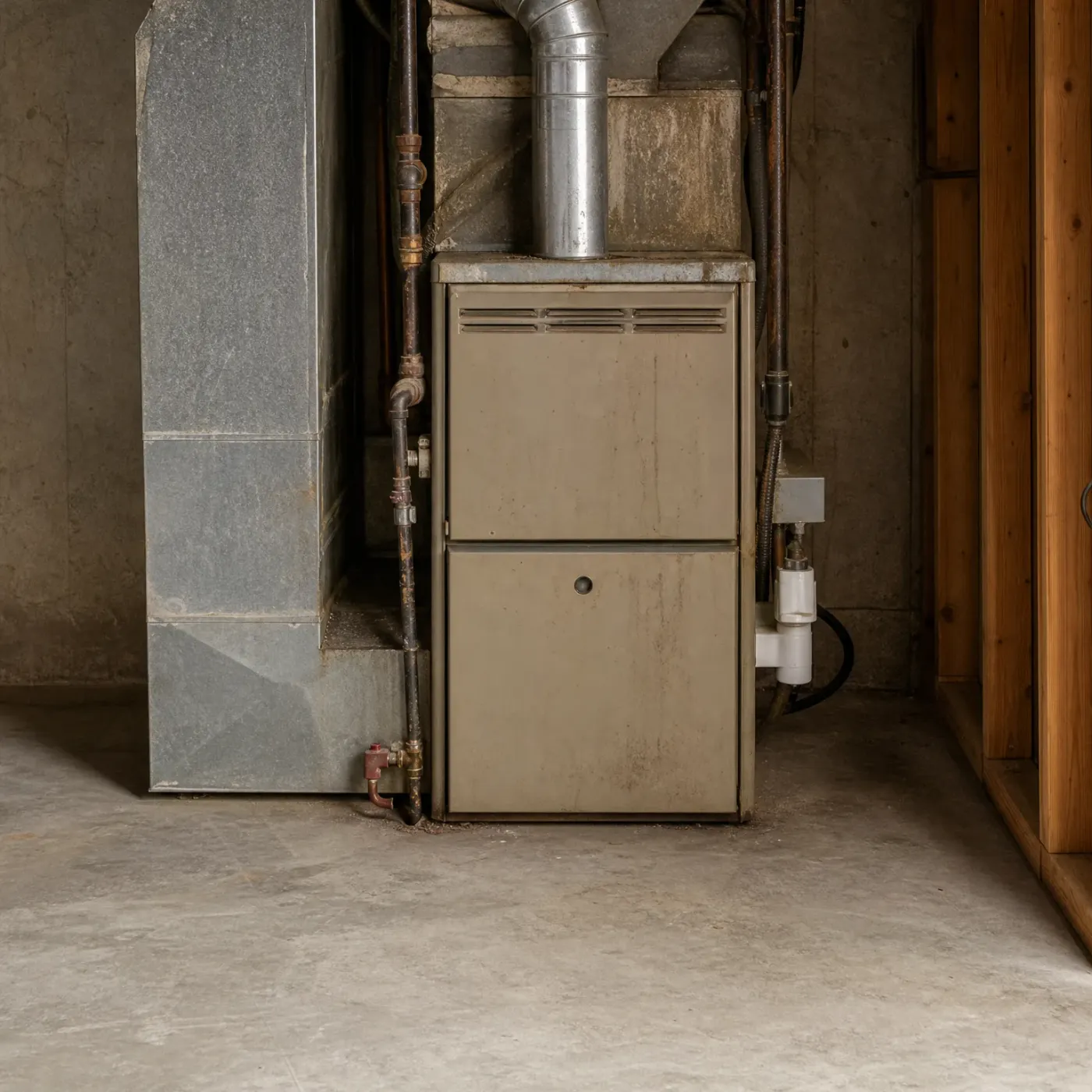
A beige furnace with two louvered front panels stands on a concrete basement floor beside galvanized ductwork, metal pipes, and a wooden post.

Furnace under strain

This is the same kind of furnace after a summer of sitting idle while dust settles through the ductwork. Once the nights turn cold, it cycles on and off again and again, and every start pushes current through an ignitor already caked in dust. That's the strain that cracks it.

What are you noticing when your furnace runs

You hear the burners try to light, then a click and nothing. Maybe it takes two or three tries before the furnace catches, or it doesn't catch at all and the house stays cold. Some nights it lights fine, then shuts off again after a few minutes and starts the whole process over. If you've pulled the cover off, the ignitor itself might look dusty or have a visible crack along it. None of this is random. Each failed start and each short cycle is another load on a part that's already coated in dust, and a household that puts off the repair is looking at a furnace that quits on the coldest nights instead of the mild ones.

A beige residential furnace stands on a concrete basement floor beside galvanized sheet-metal ductwork, a round flue pipe, copper gas piping, and a PVC condensate line, with a wood-paneled wall at right.
Before you get your furnace repair
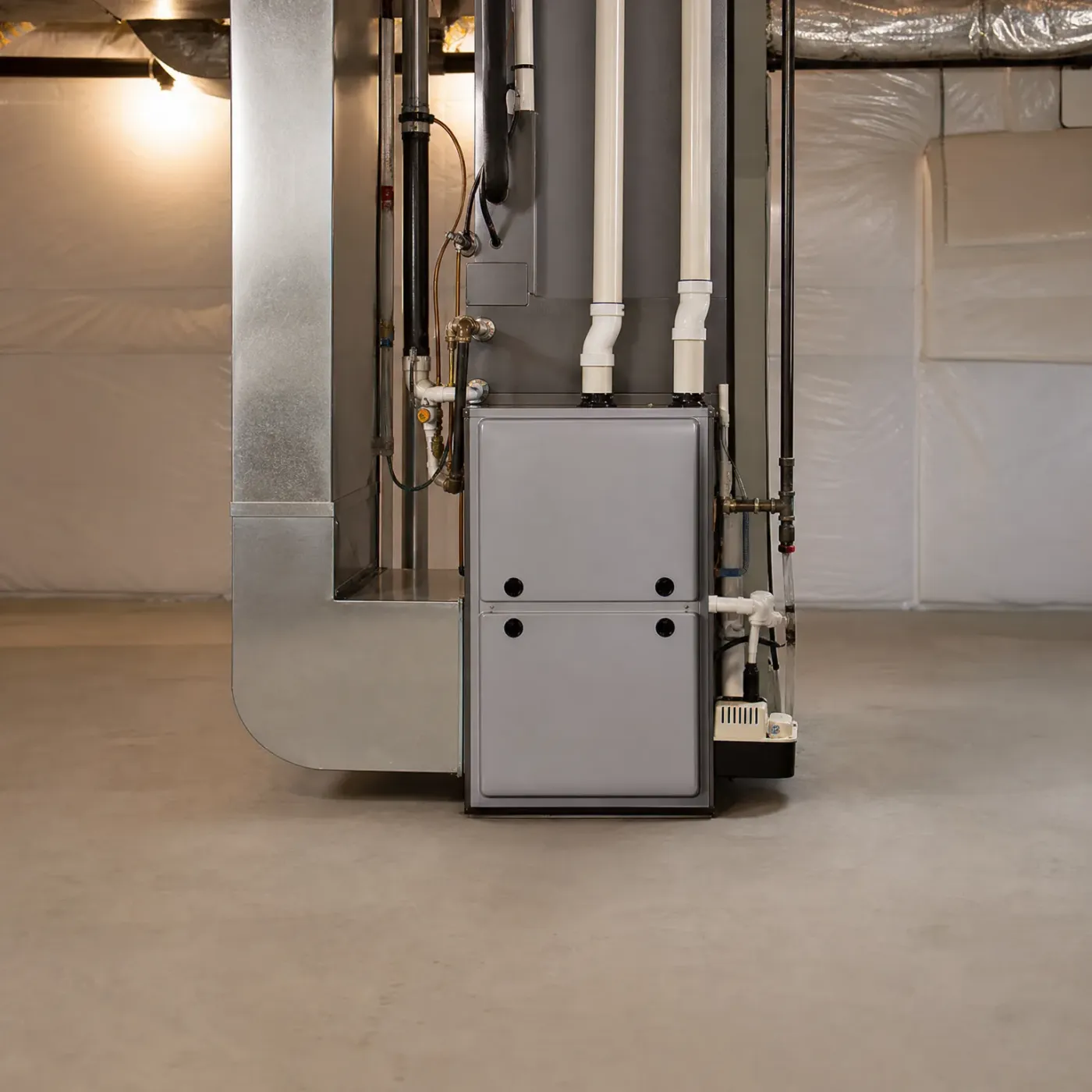
A gray high-efficiency furnace in a basement with white PVC vent pipes, sheet-metal ductwork, copper and black piping, a condensate pump, and insulated walls above a concrete floor.
After you get your furnace repair

Why the ignitor keeps failing

  • Dust is the reason the ignitor fails, not the part itself or how long it's been running.
  • Short, frequent cycles on cold Arizona nights put more strain on the ignitor than a long, steady run would.
  • A dust-coated ignitor draws more current every time it tries to light, and that extra draw is what cracks it.
  • Replacing the ignitor again on your own puts a new part into the same dusty ductwork and the same short cycles.
  • A contractor can clear the dust and check the cycling pattern so the next ignitor isn't fighting the same conditions.
  • Once you send the form, you're done tracking down who to call, and the next step is on them.

The ignitor isn't the problem. It's what's sitting on it. A furnace in Arizona spends most of the year doing nothing, and that idle ductwork fills with the kind of fine, dry dust this climate produces. When the first cool nights come and the furnace starts cycling, that dust is already coating the ignitor, and every start makes it draw more current than it should. Add in nights hovering around 39°F, cold enough to call for heat but not cold enough to let the furnace settle into one long run, and the ignitor is lighting over and over instead of warming up once and holding. Each of those short cycles is a small jolt of extra strain on a part that's already working harder than it needs to. That's why a new ignitor doesn't hold up any better than the last one. It goes into the same dusty ducts and the same cycling pattern, so it's only a matter of time before it cracks too. Clearing the dust and looking at why the furnace is short-cycling matters more than the part itself. Once that's handled, the next ignitor is working under normal strain instead of extra strain, which is the difference between a part that lasts and one that doesn't. Sending the form is the last thing you have to track down. From there, finding the right contractor for your system is someone else's job, not yours.

A lit ceramic table lamp with a linen shade sits on a round wooden side table with a small vase of greenery and a dark shallow bowl, beside a beige upholstered sofa with a cushion and knit throw, below a framed artwork on a pale wall.
Corner of a beige linen sofa with a large woven cushion and a fringed knit throw, beside a potted leafy tree in a woven basket against a neutral wall.
Sunlit interior corner with a wood-framed armchair with beige cushions and a striped pillow, a leafy plant in a tall ceramic pot, a window with wood sill showing green foliage outside, and dark wood flooring.
A lit black path light beside a stone walkway leading to a dark front door of a white clapboard house, with shrubs and flowering plants in the bed at dusk.
A covered porch at dusk with a wooden front door, a lit lantern wall sconce on gray horizontal siding, a black rocking chair with a cream throw, a potted white flowering plant, a coir doormat, and a window showing a lit interior lamp.

Get the right pro for your furnace

After you send the request, you're done searching.

Get a local pro

You're not committing to anything by asking.