Quiet, steady airflow
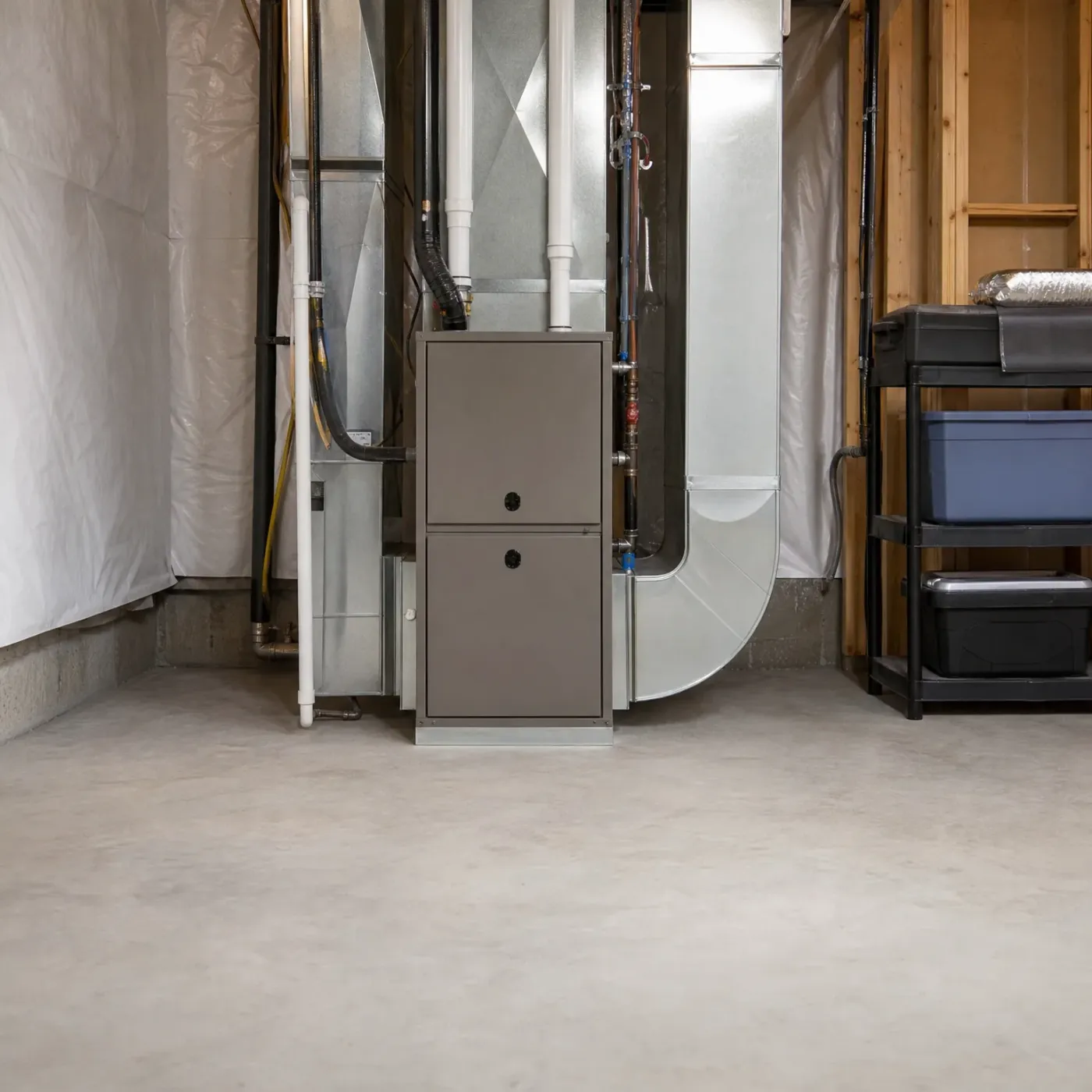
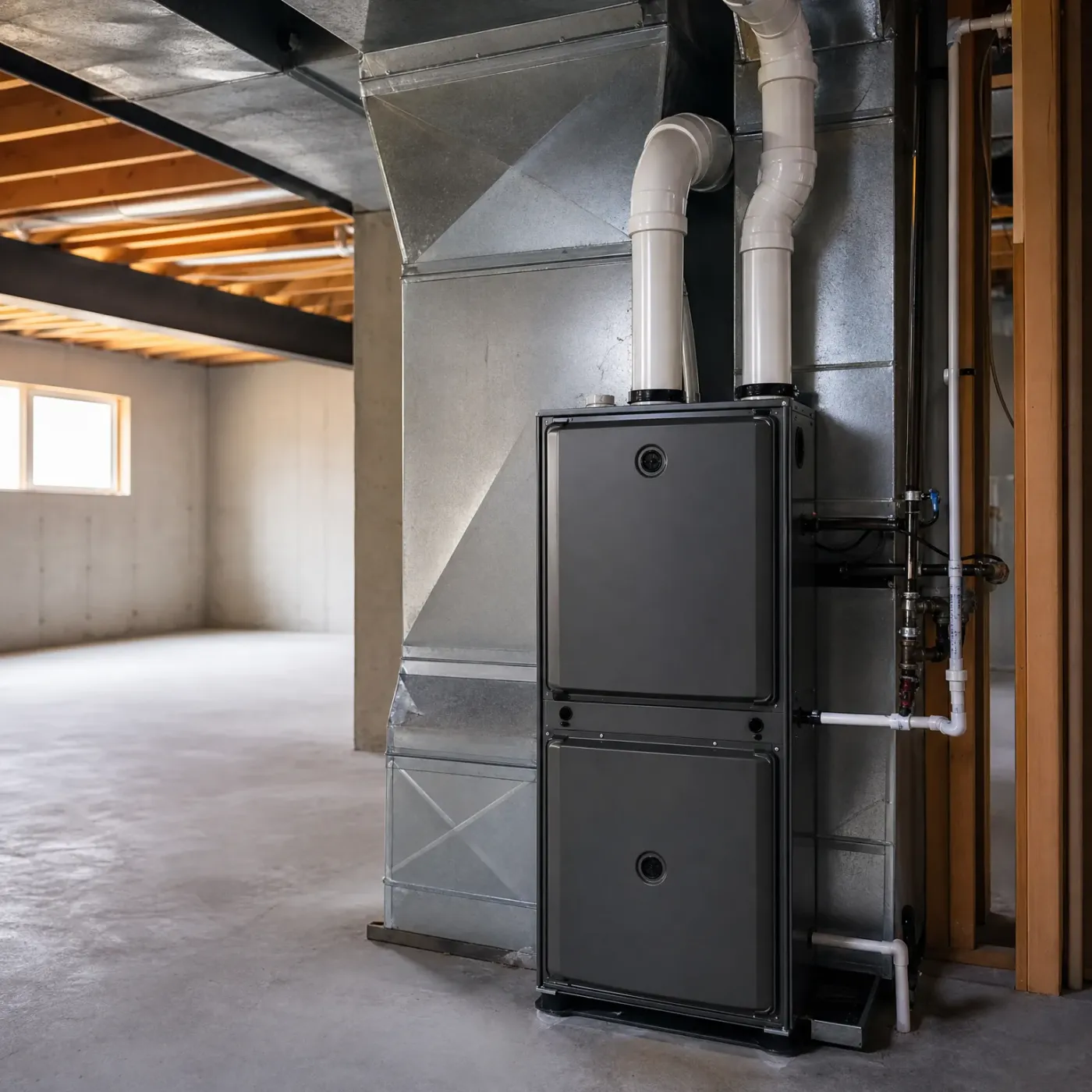
This is what a furnace sounds like when air moves the way it should. The filter is clear, the ducts are open, and the blower isn't straining. No whistle, no hiss, just heat moving through the house.
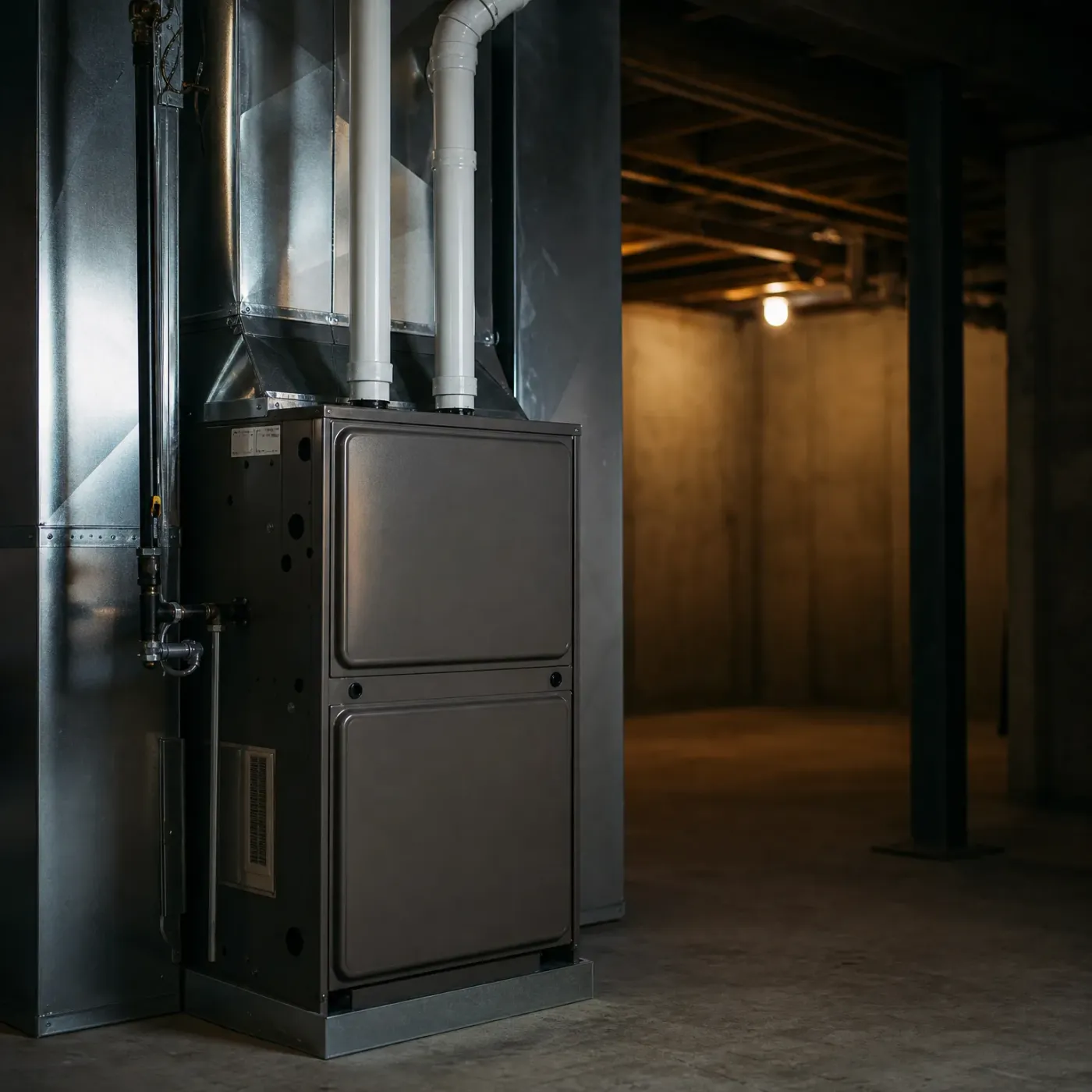
Finding a pro stops being your job
A whistle usually means air trying to squeeze through somewhere too small, a clogged filter, a closed vent, a duct that can't keep up. On an electric furnace in an Arizona house, that sound tends to show up when the system has to work harder than it should. This page gets into what's causing it and what to do about it. Send the form and the search for the right contractor is off your plate.
Let a pro reach outA whistle from your furnace almost always means air is being forced through a gap too narrow for it, instead of moving freely the way the system expects. The most common cause is a dirty filter choking off airflow, so the blower pulls harder and the air squeals past the edges. A closed or blocked vent in one room can do the same thing, backing up pressure in the ductwork. Sometimes the whistle is coming from a duct seam that has worked loose and is drawing air in from outside the duct rather than through it. In an Arizona home running electric heat, the blower already runs often during the colder months, so a restriction that would go unnoticed elsewhere shows up here as a steady, noticeable sound. Left alone, the furnace keeps working against that restriction, which is worth having looked at before it strains the blower motor further.
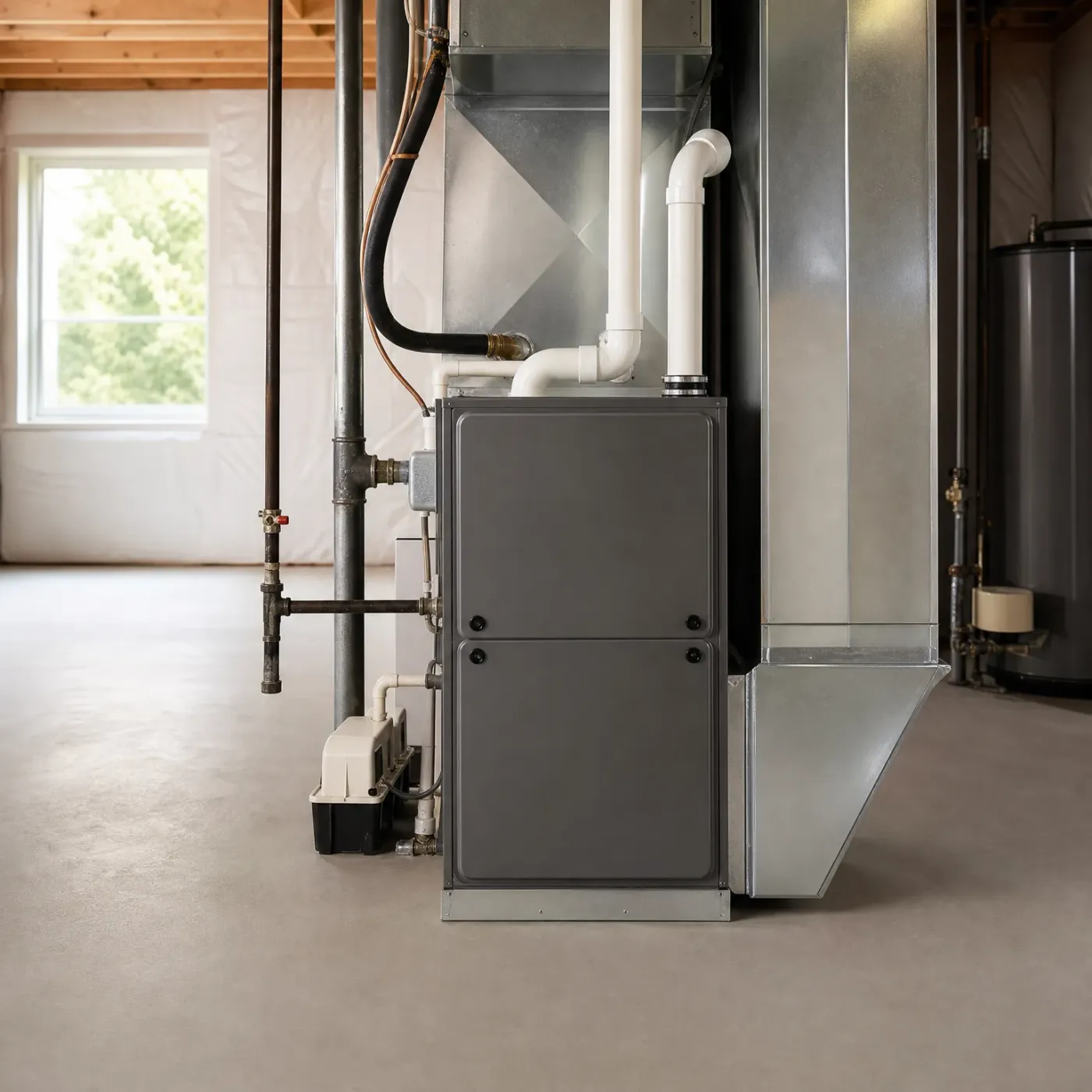
This is what a furnace sounds like when air moves the way it should. The filter is clear, the ducts are open, and the blower isn't straining. No whistle, no hiss, just heat moving through the house.
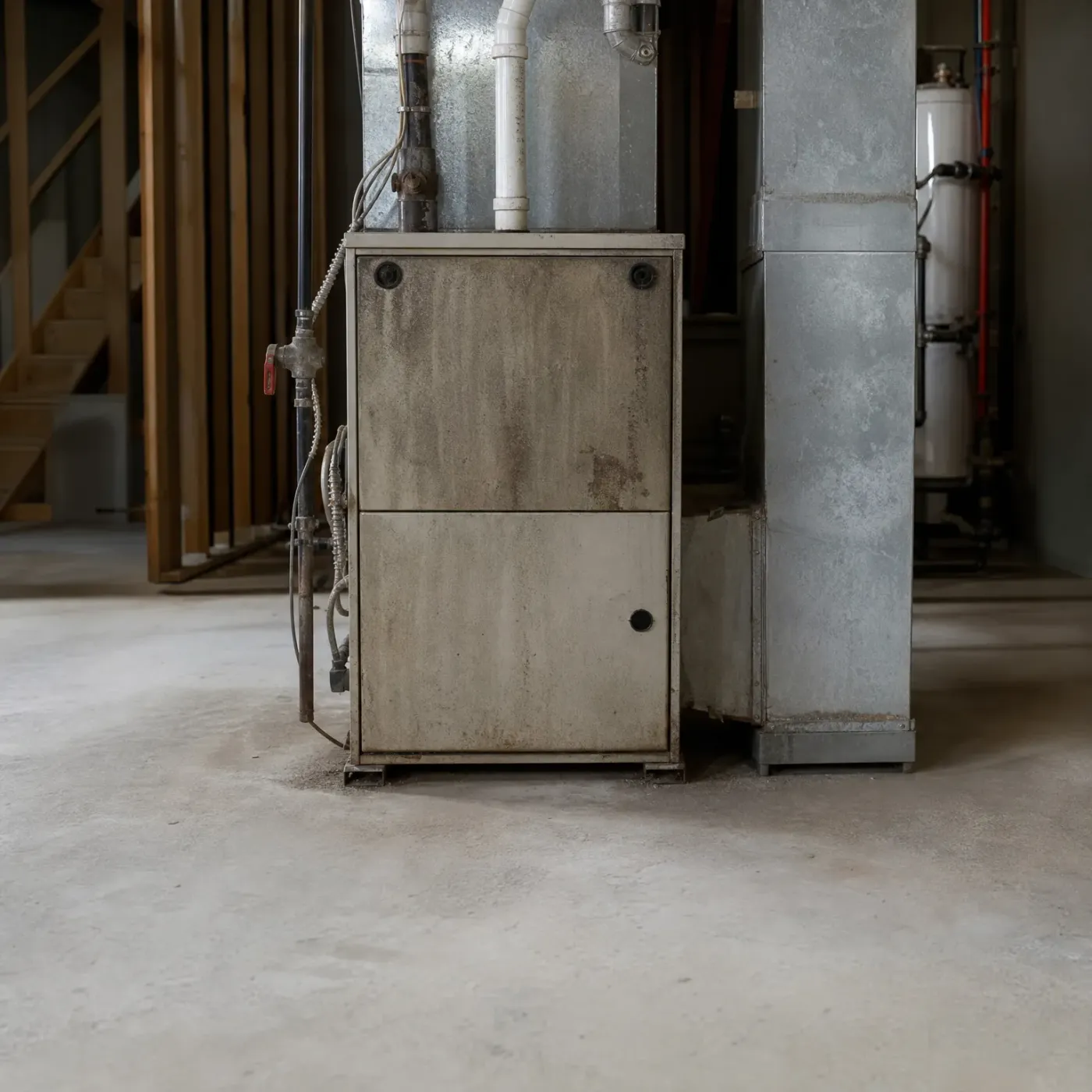
Dust built up like this often means the filter hasn't been changed in a while, and the blower is working against something it shouldn't have to. That's when a whistle shows up, and it won't go away on its own.




An electric furnace moves air with a blower wheel spinning at a fixed speed. It expects a certain amount of air to pass through it every minute. When a filter is clogged or a vent is shut, that air has less room to get through, so the blower pulls harder to move the same volume. That extra effort is what you hear. The whine isn't the motor straining in some abstract sense, it's air being dragged through a smaller opening than the system was built for. Check the filter first. If it's gray or packed with dust, that alone can be the whole problem.
Every duct run in your house was sized for a certain airflow when the system was installed. If a return duct is too small for the furnace now pushing air through it, or a section has come loose or collapsed, the air backs up and squeezes through whatever gap it can find. That's a duct problem, not a filter problem, and swapping filters won't touch it. A whistle that keeps coming back right after you've changed the filter usually points here. A contractor who works on these systems regularly can check static pressure in the ducts and tell you which one it is.
Your request goes to one pro, not a list of companies.
One request and the search for a pro is handled.
There's no charge for the request.
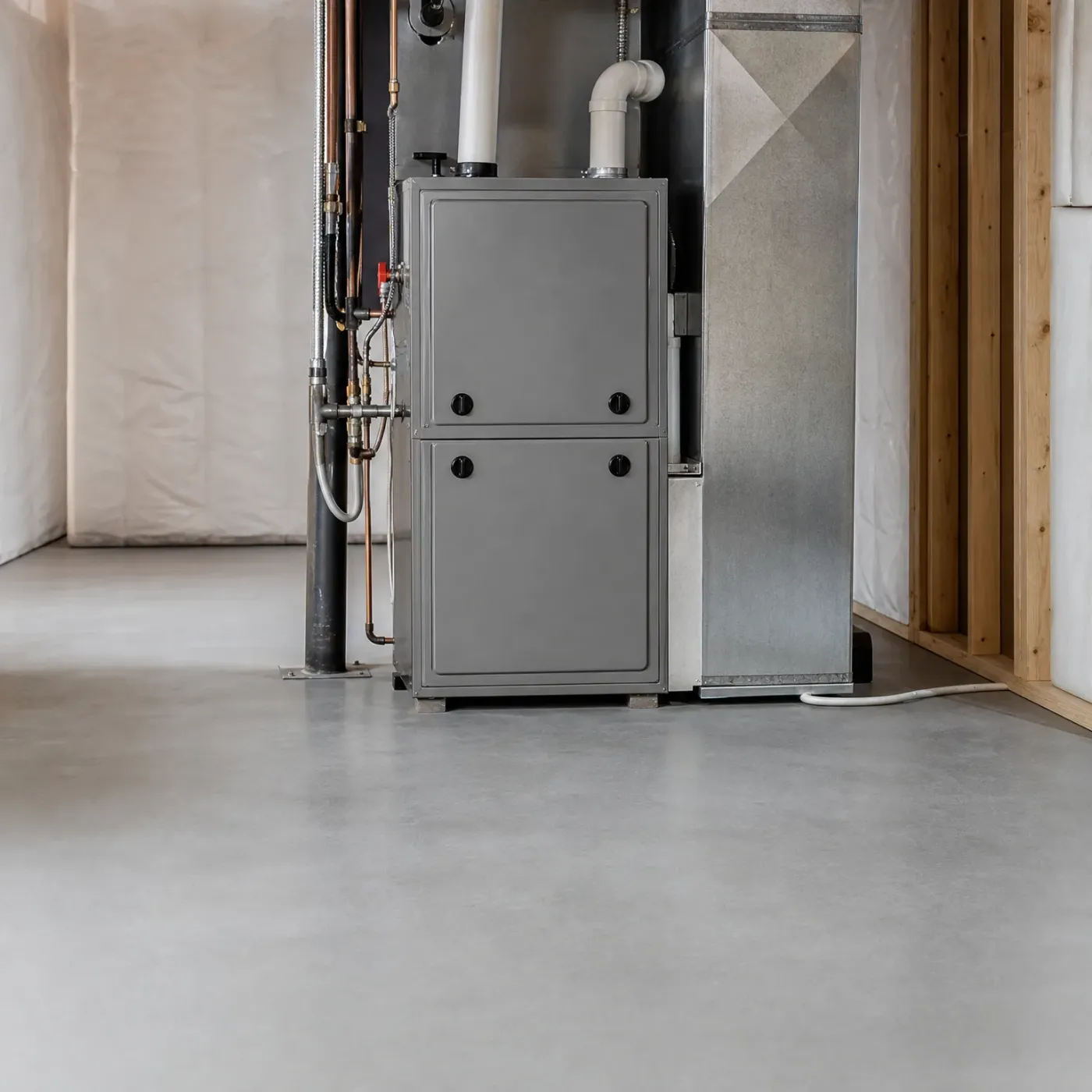
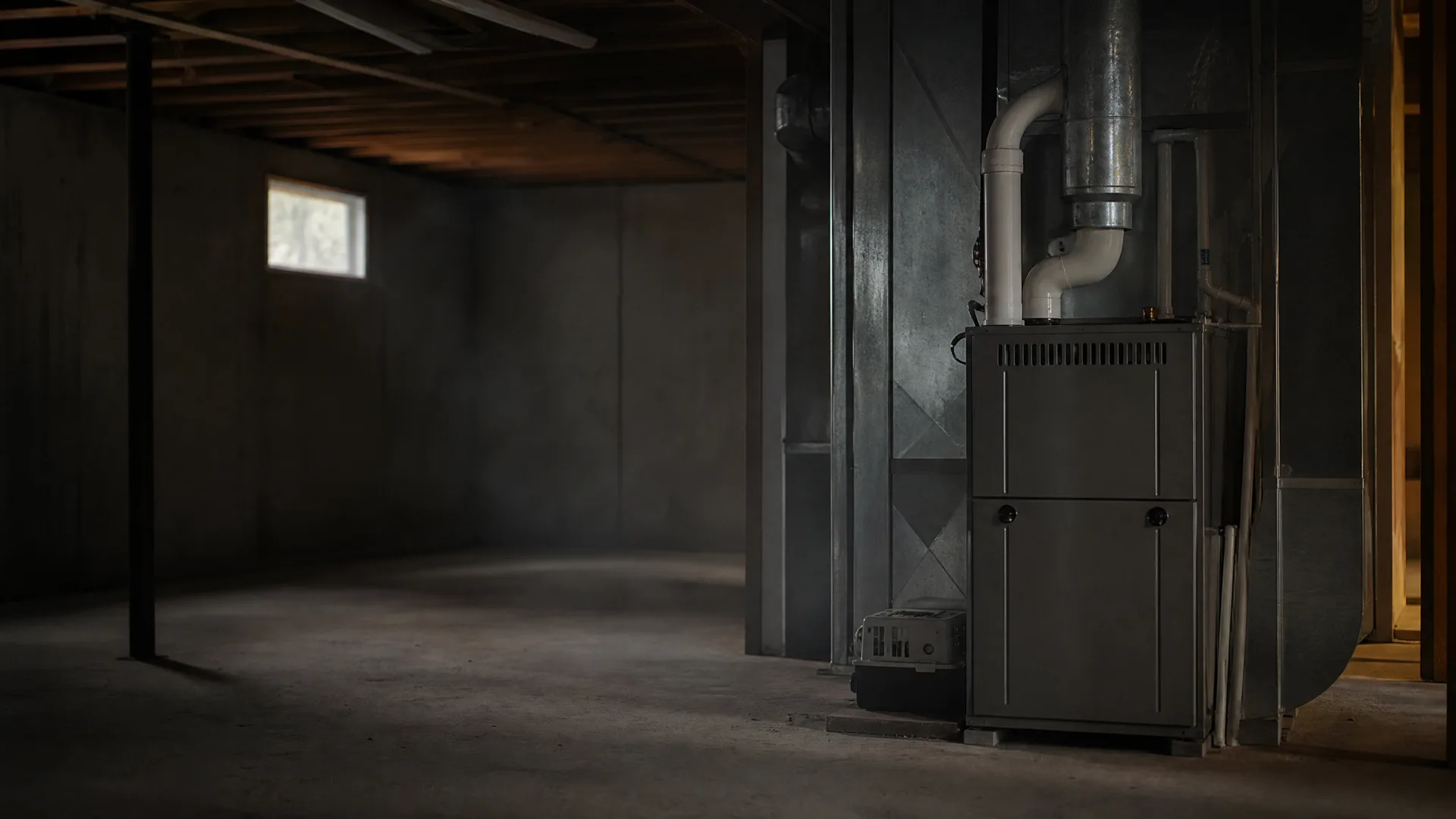
The whistle starts again around six, when the thermostat calls for heat and the house has gone cool with the desert dark outside. You go down to the garage where the furnace sits and find it running, air pushing thin and high through the grille like it's being forced through a straw. You pull the door and see the filter gray with a summer's worth of dust, the kind that piles up fast once the AC has run for months straight. You stand there listening to the sound climb and drop with the blower, not loud, just wrong, and you know it was quiet a few weeks ago.
Nights here average 39°F in December and January, so your furnace isn't running hard the way it would somewhere colder. A whistle on a system that only has to take the edge off mild nights almost always points to a blockage, not a furnace working beyond what it's built for.
NOAA nClimDiv 1991-2020 county normals weighted by homes
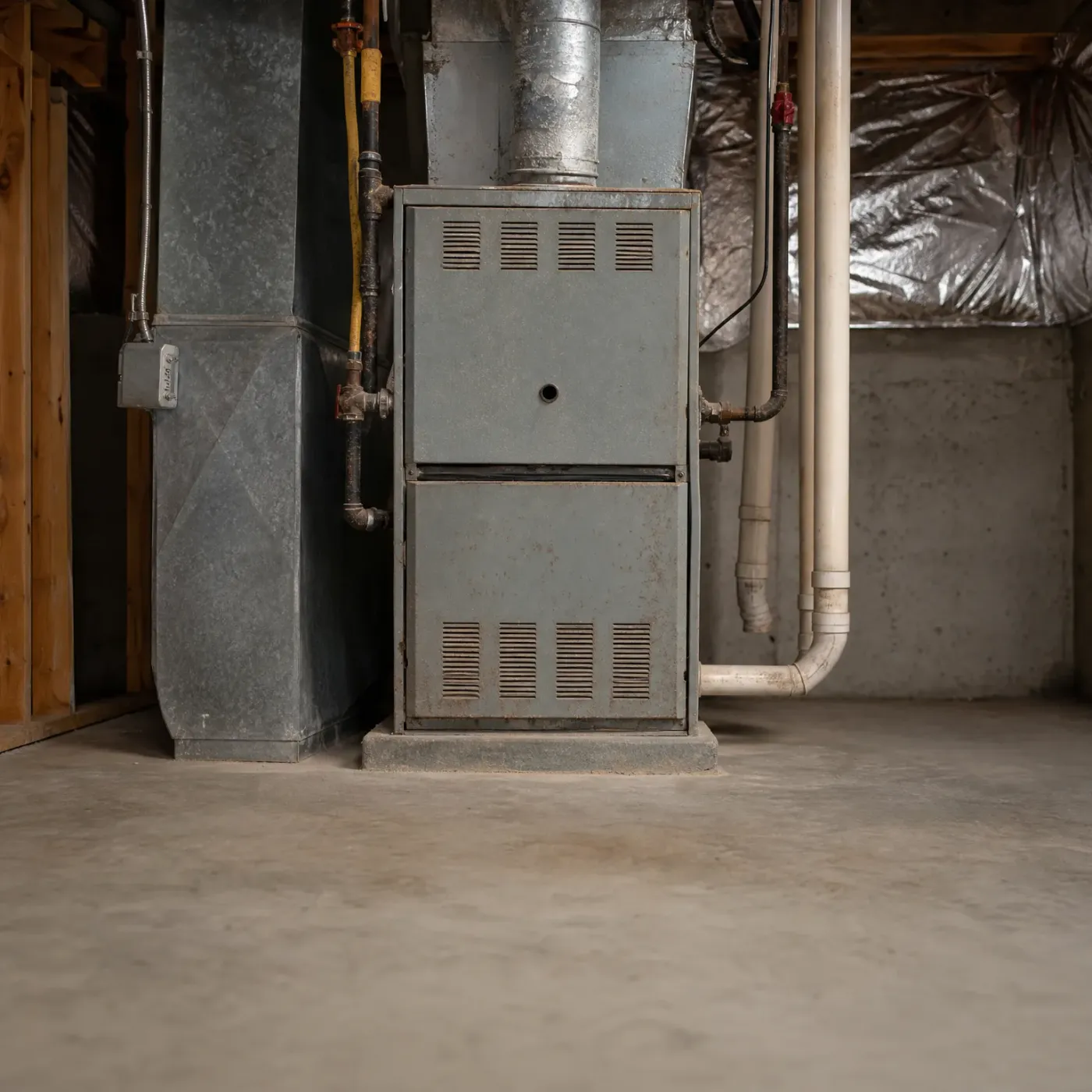
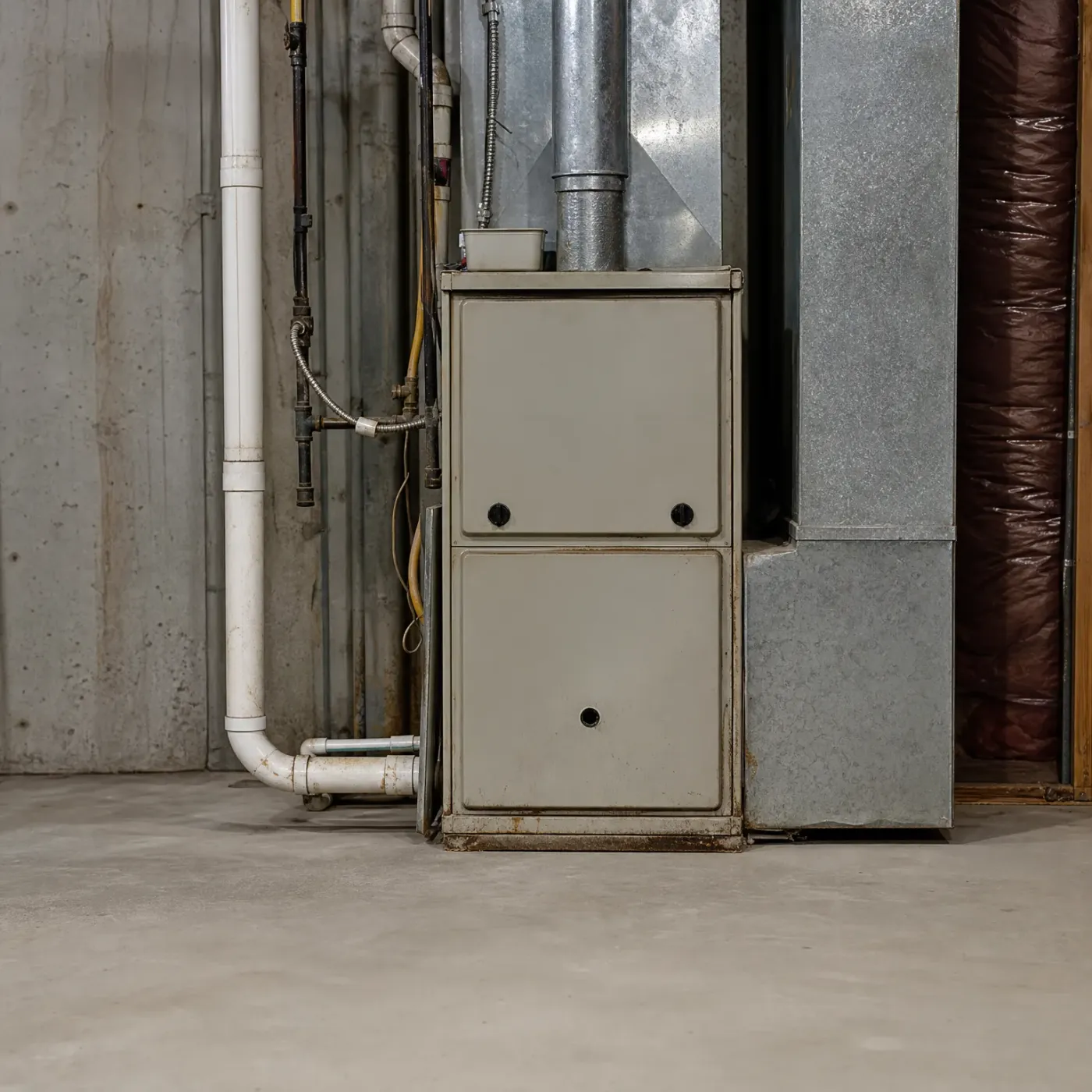
The sound is air being forced through a space smaller than it should have to pass through. Most of the time that space is a clogged filter, and the blower is working harder than it needs to just to push the same amount of heat into your house. A closed vent or a duct that can't carry the air does the same thing from a different spot. Your furnace doesn't have to work as hard here as one in a colder state would, since winter nights in Arizona rarely ask much of it, so when it whistles, that usually means something is in its way rather than the system being pushed past its limit. A furnace that's already showing rust or wear is worth a closer look, since the strain behind the noise can be coming from more than just a dirty filter at that point. When nothing is blocked, you get the opposite: air moving through clean ductwork without a sound, heat reaching the rooms the way the system was built to deliver it. Figuring out which of these it is, a filter, a shut vent, a duct, or something further along, means tracing the airflow back to where it's getting choked, and that's easier for someone who works on these systems regularly in homes around you. A local technician sees this pattern often enough to know where to check first, and a licensed one will know how to fix what they find rather than mask the sound for a while.


One request and it's handed off
The pro who reaches out is licensed in Arizona.