Tell us about the job
Takes about a minute. No obligation.
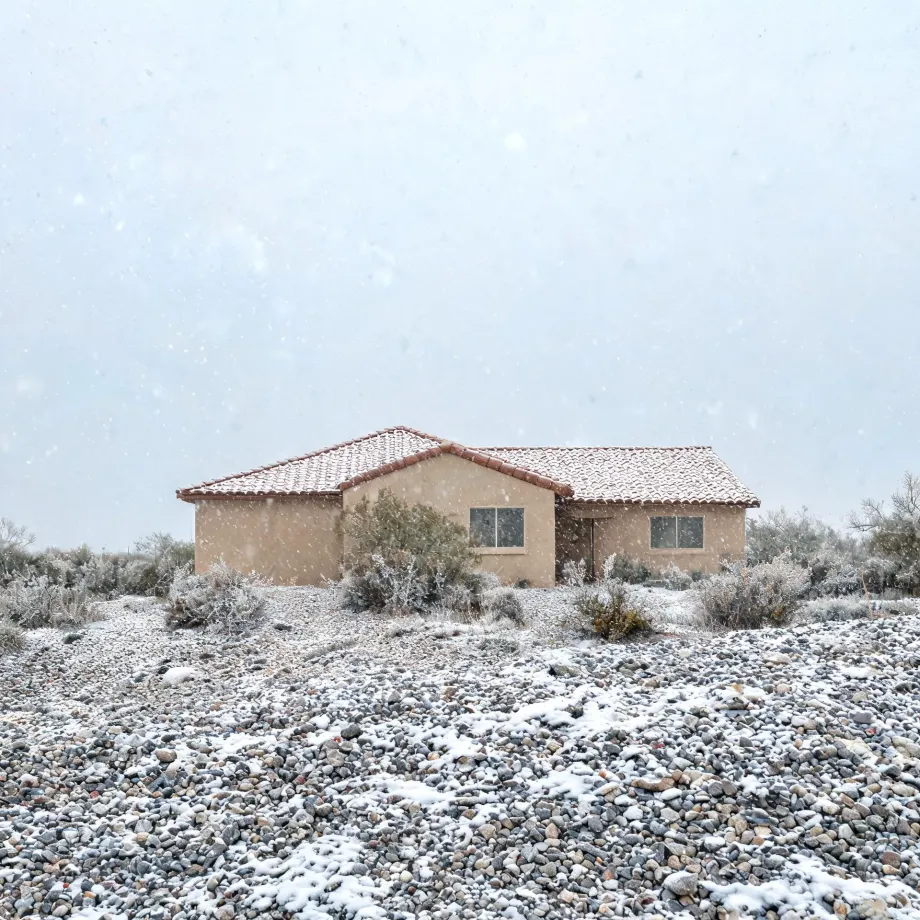
Sizing a furnace for Graham County means working out what the burner, heat exchanger, and ignition system will actually carry before a contractor can write a quote. Homes in Graham County, AZ run heat about six months a year, from November through April. A furnace that cycled that long on an undersized capacity runs hotter and longer each call for heat, and the heat exchanger accumulates fatigue that a correctly sized unit would not. Contractors pricing an installation here account for that before they spec equipment, because the wrong size shows up in cracks and failed igniters, not in utility bills.
Existing ductwork is what a furnace installation turns on in this county. Half the homes in Graham County, Arizona were built in 1987 or earlier (2020-2024 ACS 5-year). Duct systems in houses of that vintage were sized around equipment that has since been replaced, sometimes more than once, and what is in the walls reflects those original load assumptions. A new furnace delivers different airflow at different pressure, and ductwork that was never sized for it will not carry it cleanly. A contractor has to assess what is already there before anything gets quoted or ordered.
What a Furnace Installation Covers
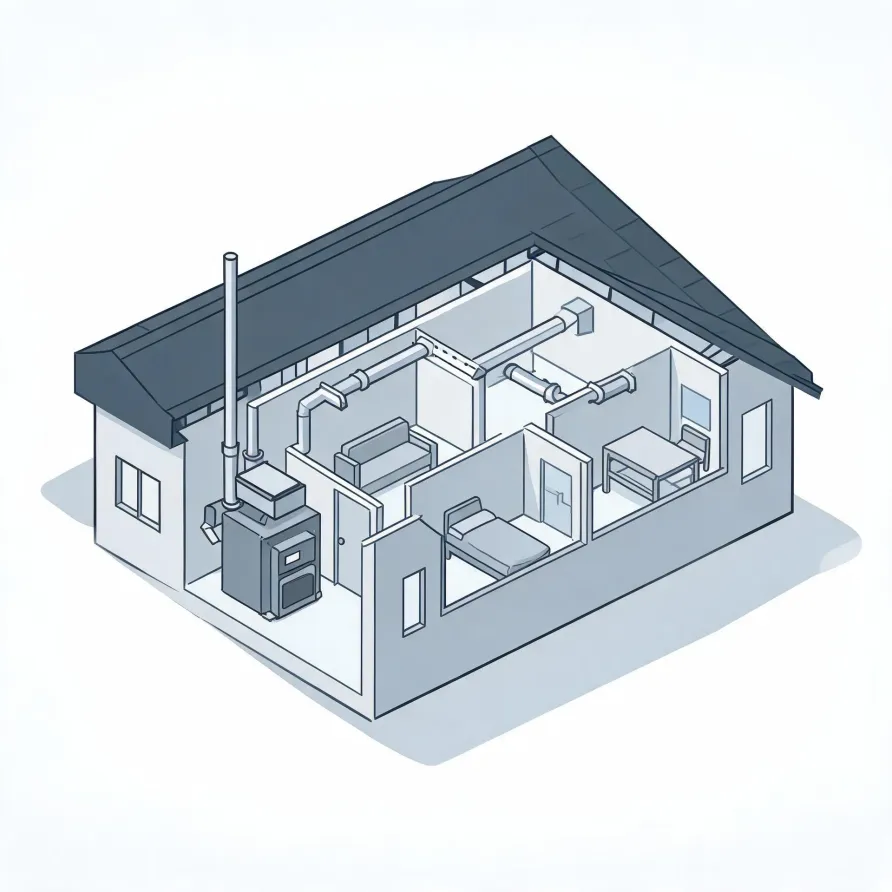
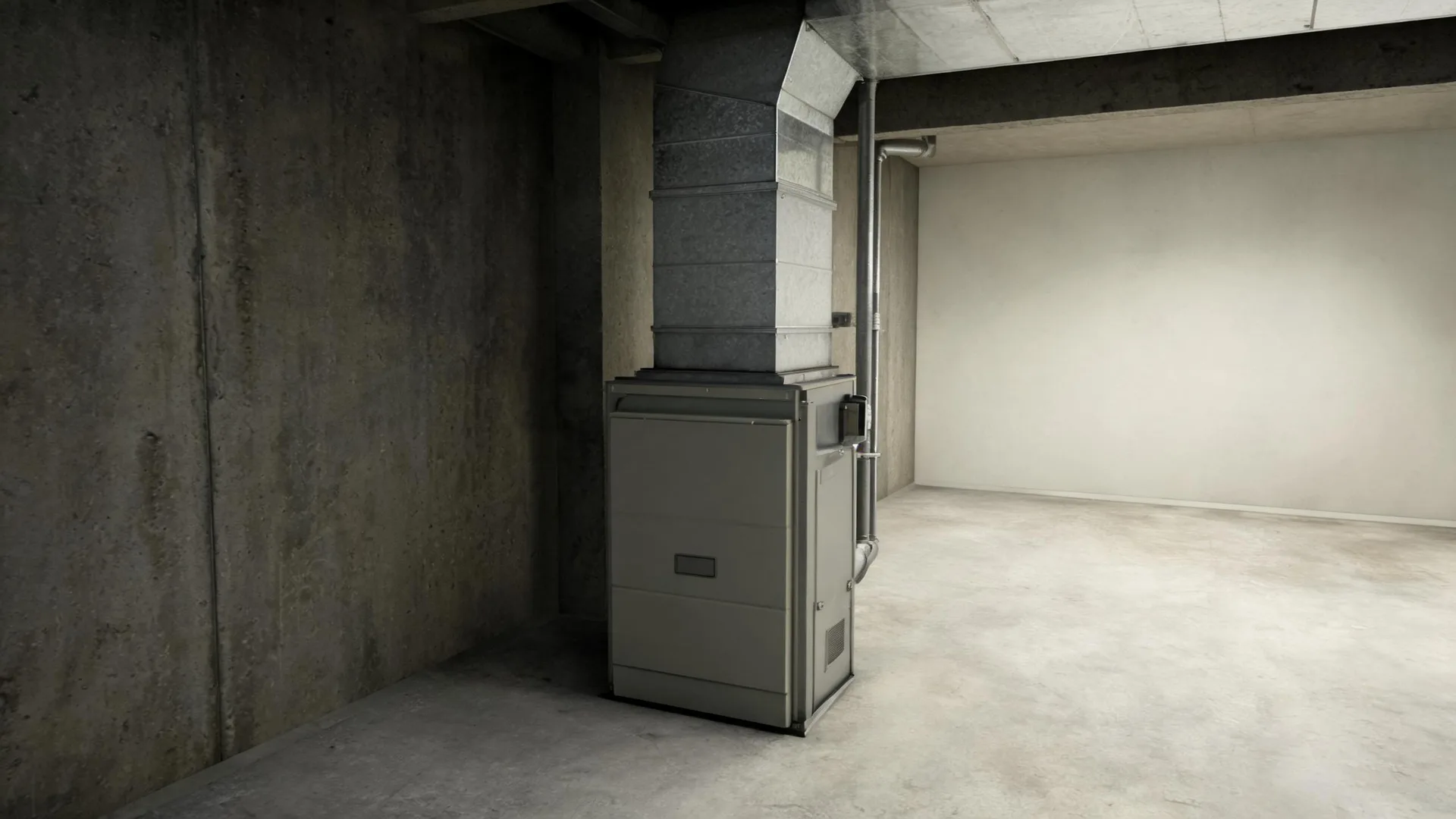
The furnace itself sits inside the home, most often in a utility room, basement, or closet, and it is the unit that generates heat for the whole house. A new installation also includes the flue or vent pipe that runs from the furnace to an outside wall or through the roof, carrying combustion gases out.
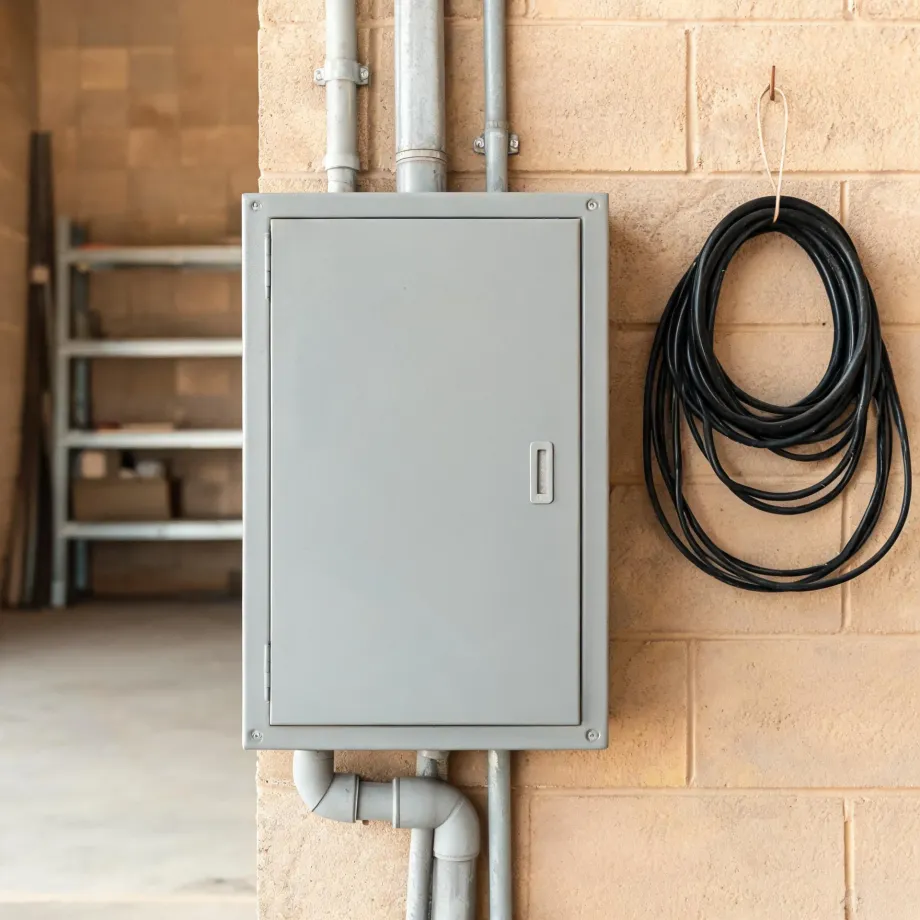
The air handler and blower components work alongside the furnace to move conditioned air into the duct system. The thermostat mounts on an interior wall and serves as the control point for the whole system, and the disconnect or service switch sits near the furnace so a contractor can cut power to the unit directly.
The drawing shows a representative layout, and a licensed contractor determines exactly which components apply to your home and how they connect.
Find a contractor in Graham CountyGraham County, by the numbers
120 severe weather events were recorded in Graham County, Arizona between 2015 and 2024.
NOAA National Centers for Environmental Information, Storm Events Database, bulk CSV export, events 2015-01-01 through 2024-12-31.Half the homes in Graham County, Arizona were built in 1987 or earlier (2020-2024 ACS 5-year).
U.S. Census Bureau, 2020-2024 American Community Survey 5-Year EstimatesGraham County, Arizona holds 14,122 housing units (2020-2024 ACS 5-year).
U.S. Census Bureau, 2020-2024 American Community Survey 5-Year EstimatesOwners occupy 73.1% of the occupied homes in Graham County, Arizona (2020-2024 ACS 5-year).
U.S. Census Bureau, 2020-2024 American Community Survey 5-Year EstimatesFurnace Installation Rules for Graham County, Arizona5 sourced codes and standards
What the Installation Looks Like
Non-weatherized gas furnaces manufactured on or after November 19, 2015 must reach 80.0 percent AFUE.
Non-weatherized oil-fired furnaces manufactured on or after November 19, 2015 must reach 83.0 percent AFUE.
Mobile home gas furnaces manufactured on or after November 19, 2015 must reach 80.0 percent AFUE.
Non-weatherized gas furnaces manufactured on or after December 18, 2028 must reach 95.0 percent AFUE, up from the 80.0 percent minimum that applies to units manufactured before that date.
Licensing and Legal Requirements in Graham County, Arizona
Arizona requires a contractor licence in good standing: it is unlawful to engage in the business of contracting, to bid, or to act or hold yourself out as a contractor without one.
Severe Weather in Graham County
Furnaces in Graham County work against whatever the local climate puts them through, and that workload shapes how a unit should be sized and installed. Weather history is part of the picture a contractor looks at before any installation decision gets made.
120 severe weather events, 2015–2024. Source: NOAA National Centers for Environmental Information, Storm Events Database.