Tell us about the job
Takes about a minute. No obligation.
Sizing a furnace for Yuma County starts with knowing exactly how much heat the house actually needs to carry. Homes in Yuma County, AZ run heat about three months a year, from December through February. The burner and ignition system cycle on and off across those winter months, then sit idle the rest of the year. Long idle periods let small faults go unnoticed, and the first cold week of December is when a marginal install announces itself. A contractor doing the load calculation here works from the actual heating demand, not from the square footage alone, because an oversized furnace short-cycles and an undersized one runs longer than it should through every cold stretch.
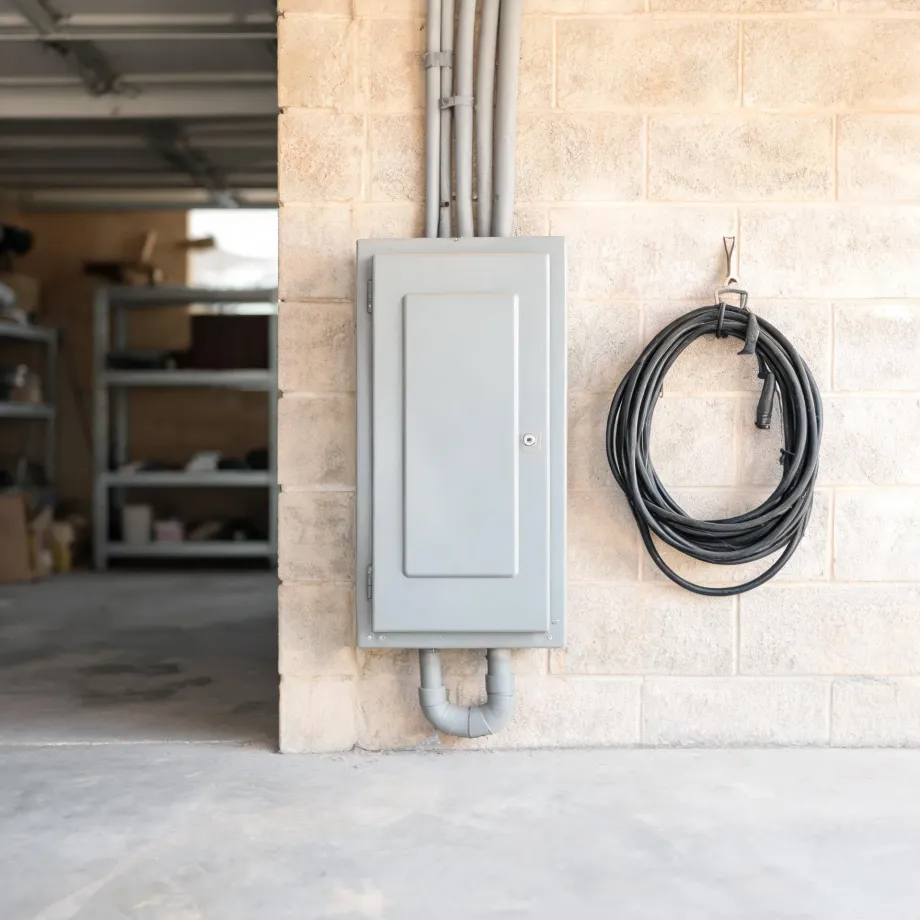
Ductwork laid down for an earlier generation of equipment often runs at the wrong static pressure for a modern furnace, and what a contractor finds when they map it determines whether the installation is straightforward or whether sections need to be resized and resealed before the new unit will perform correctly. Half the homes in Yuma County, Arizona were built in 1995 or earlier (2020-2024 ACS 5-year). That spread across the county means a meaningful share of the houses a contractor walks into carry supply and return layouts that were never designed around today's variable-speed equipment. The electrical service is a separate check, but it is the duct system that most often sets the real scope of the job.
What a Furnace Installation Covers
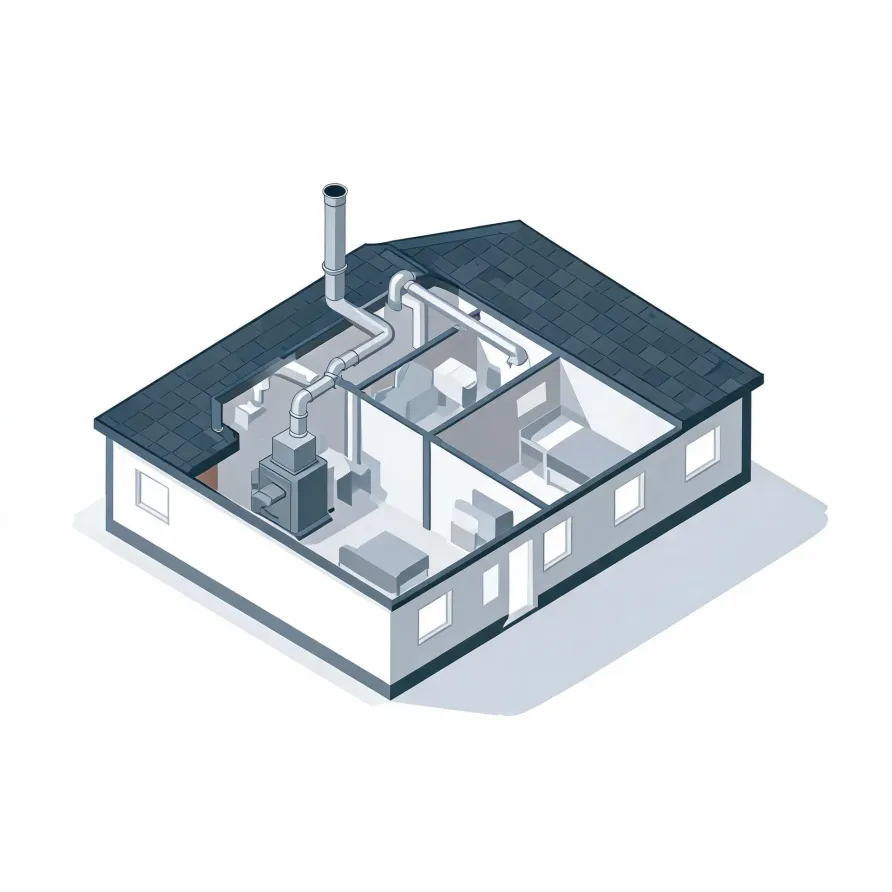
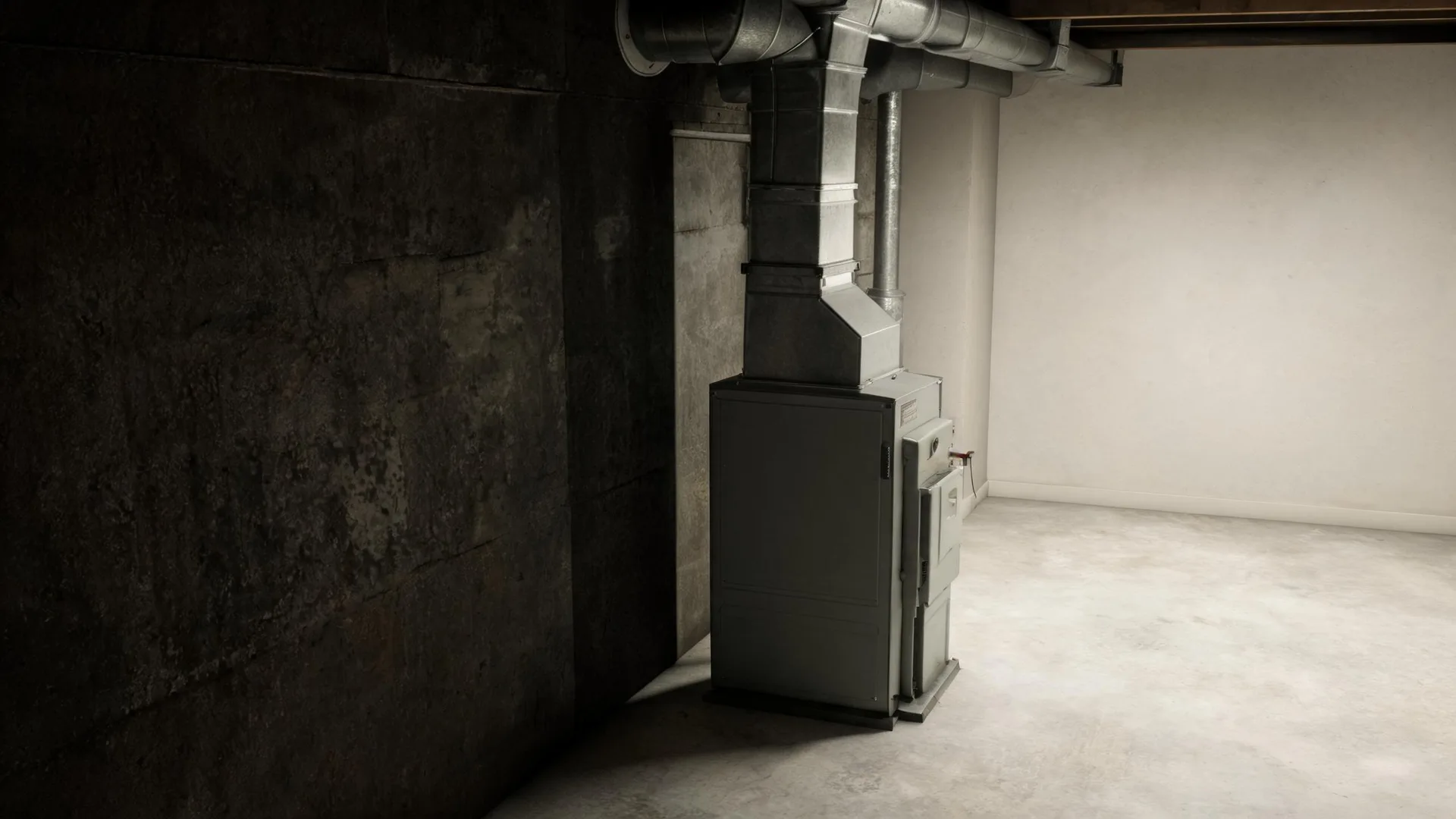
The furnace itself sits inside the home, most often in a utility room, basement, or closet. It is the unit that produces heat by burning fuel or running electrical elements through a heat exchanger, and a new installation means a full unit going in where the old one stood or in a newly designated space.
The flue or exhaust pipe runs from the furnace to an exterior wall or roof and carries combustion gases out of the home. Alongside it, the air handler or blower assembly moves conditioned air from the furnace into the duct system, and a new thermostat or control board ties the whole system together and gives the homeowner a single point of control.
The drawing shows the general layout of these components, and a licensed contractor determines exactly what applies to your house.
Find a contractor in Yuma CountyYuma County, by the numbers
63 severe weather events were recorded in Yuma County, Arizona between 2015 and 2024.
NOAA National Centers for Environmental Information, Storm Events Database, bulk CSV export, events 2015-01-01 through 2024-12-31.Half the homes in Yuma County, Arizona were built in 1995 or earlier (2020-2024 ACS 5-year).
U.S. Census Bureau, 2020-2024 American Community Survey 5-Year EstimatesYuma County, Arizona holds 95,200 housing units (2020-2024 ACS 5-year).
U.S. Census Bureau, 2020-2024 American Community Survey 5-Year EstimatesOwners occupy 71.0% of the occupied homes in Yuma County, Arizona (2020-2024 ACS 5-year).
U.S. Census Bureau, 2020-2024 American Community Survey 5-Year EstimatesCodes & Standards for Furnace Work in Yuma County, Arizona5 sourced rules and standards
What the installation actually looks like
Non-weatherized gas furnaces manufactured on or after November 19, 2015 must reach 80.0 percent AFUE.
Non-weatherized oil-fired furnaces manufactured on or after November 19, 2015 must reach 83.0 percent AFUE.
Mobile home gas furnaces manufactured on or after November 19, 2015 must reach 80.0 percent AFUE.
Non-weatherized gas furnaces manufactured on or after December 18, 2028 must reach 95.0 percent AFUE, up from the 80.0 percent minimum that applies to units manufactured before that date.
Licensing and Legal Requirements in Yuma County, Arizona
Arizona requires a contractor licence in good standing: it is unlawful to engage in the business of contracting, to bid, or to act or hold yourself out as a contractor without one.
Weather Stress on HVAC Equipment in Yuma County
Furnaces work harder when outdoor conditions push further from a comfortable baseline. The chart below tracks recorded severe weather events in the county, because that workload history shapes what kind of installation holds up here.
63 severe weather events, 2015–2024. Source: NOAA National Centers for Environmental Information, Storm Events Database.