Tell us about the job
Takes about a minute. No obligation.
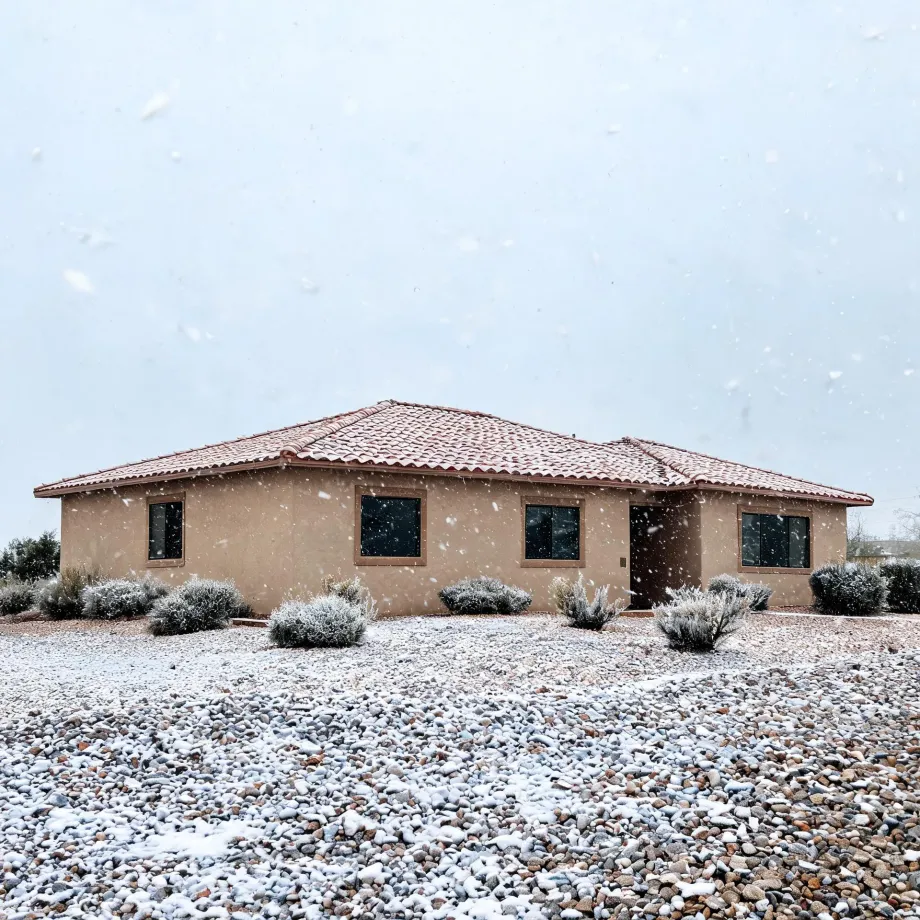
A furnace in Yuma County sits idle through most of the calendar year, and long idle periods are where ignition failures and cracked heat exchangers hide. Homes in Yuma County, AZ run heat about three months a year, from December through February. The burner and ignition system cycle hard during those winter months, then go cold. By the time a homeowner calls, the fault has usually been sitting there since the previous February. A contractor diagnosing the repair checks the igniter, the heat exchanger, and the burner assembly first, because those are the components that carried the load and then sat dormant.
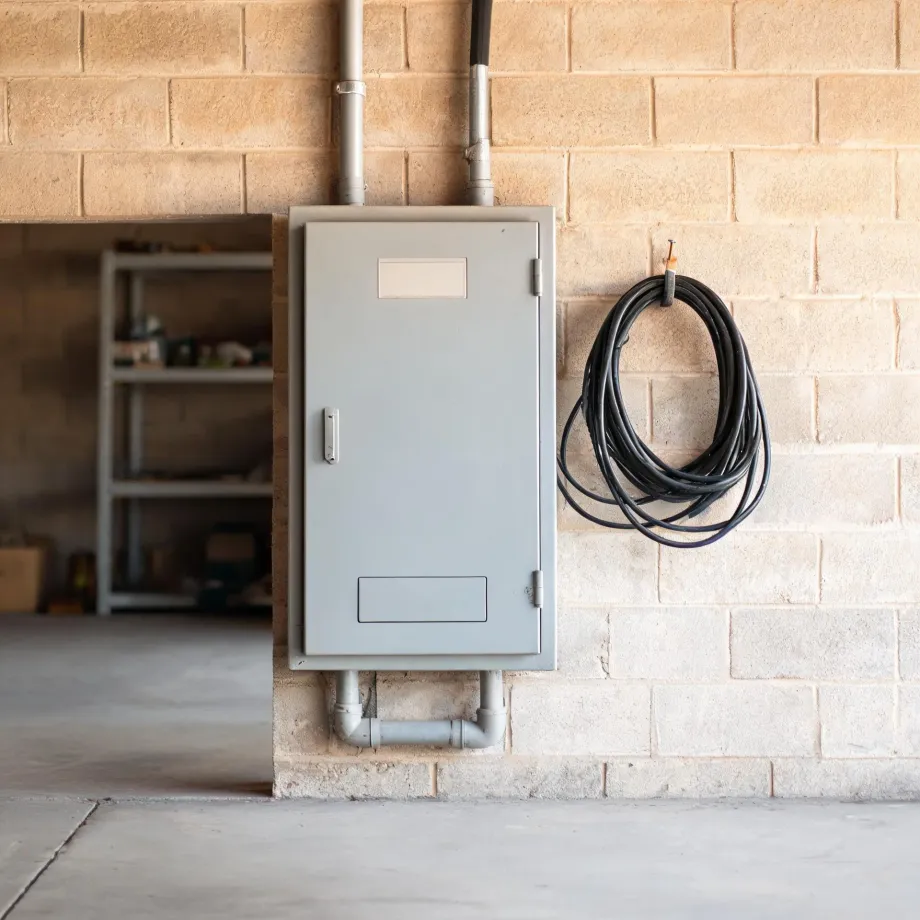
Furnace parts availability is the variable that decides how a repair goes in much of this county. Half the homes in Yuma County, Arizona were built in 1995 or earlier (2020-2024 ACS 5-year). Equipment installed into houses of that age has had time to move through multiple service cycles, and the components a given unit takes may be discontinued, scarce, or only available through specialty suppliers. A contractor opening a furnace here checks not just what failed but whether a replacement for it still exists at a price that makes the repair sensible.
The Parts of a Furnace a Contractor Checks First
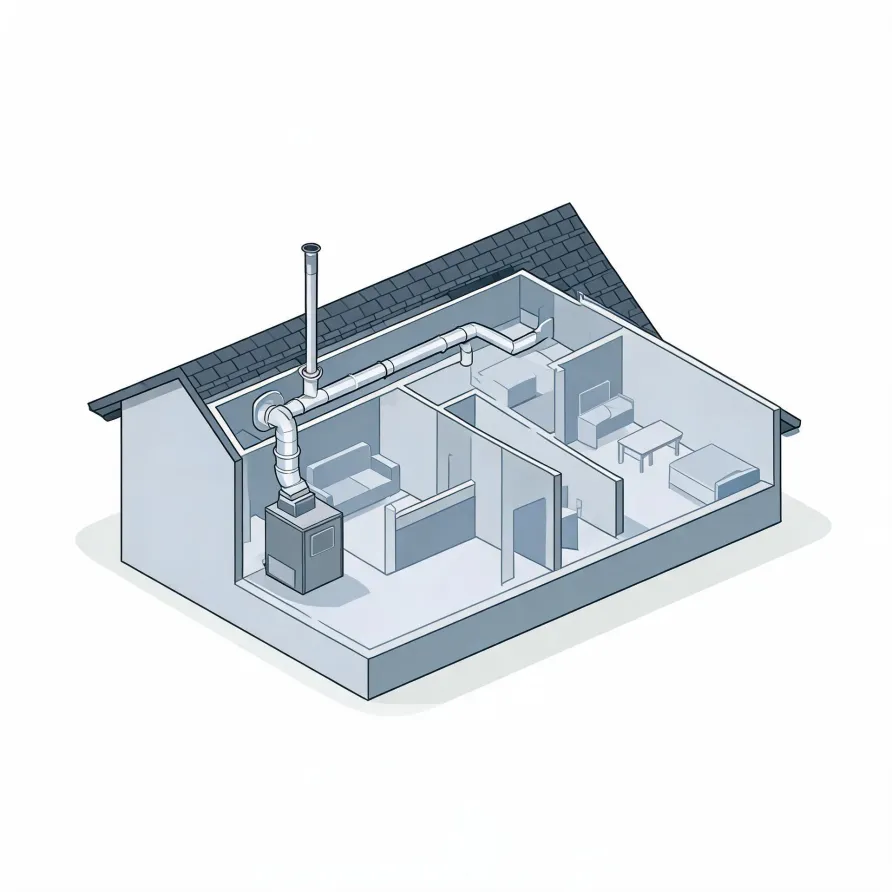
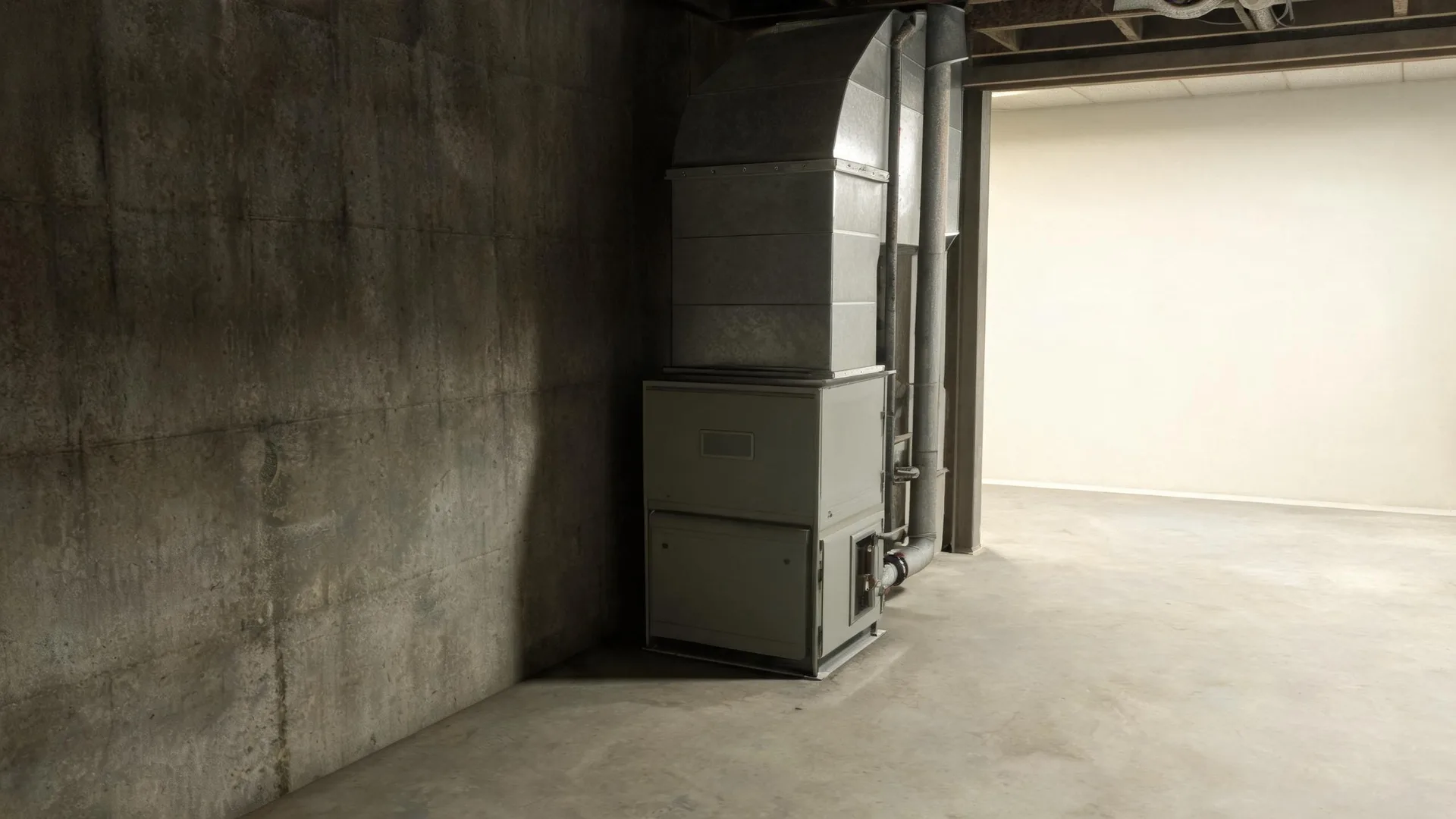
The furnace itself sits in a utility space, basement, or closet and is the piece a contractor goes to first. Inside it, the heat exchanger is the part that does the actual heating work, and a crack or failure there is what stops warm air from reaching the rest of the house. The burners feed into it directly, and when they are dirty or misaligned, the whole system feels it.
The blower motor sits within the furnace cabinet and pushes conditioned air out through the supply side of the duct system. The flue or exhaust vent runs from the cabinet up and out of the house, and a blockage or breach there can shut down the unit on a safety lockout. The thermostat on the wall ties all of it together, and a contractor checks it alongside the mechanical parts.
The drawing shows a typical furnace layout, and a licensed contractor determines which components apply to your specific system and what work each one needs.
Find a contractor in Yuma CountyYuma County, by the numbers
63 severe weather events were recorded in Yuma County, Arizona between 2015 and 2024.
NOAA National Centers for Environmental Information, Storm Events Database, bulk CSV export, events 2015-01-01 through 2024-12-31.Half the homes in Yuma County, Arizona were built in 1995 or earlier (2020-2024 ACS 5-year).
U.S. Census Bureau, 2020-2024 American Community Survey 5-Year EstimatesYuma County, Arizona holds 95,200 housing units (2020-2024 ACS 5-year).
U.S. Census Bureau, 2020-2024 American Community Survey 5-Year EstimatesOwners occupy 71.0% of the occupied homes in Yuma County, Arizona (2020-2024 ACS 5-year).
U.S. Census Bureau, 2020-2024 American Community Survey 5-Year EstimatesCodes & Standards Governing Furnace and HVAC Repair in Yuma County, Arizona5 sourced rules and standards
What the repair visit looks like
Non-weatherized gas furnaces manufactured on or after November 19, 2015 must reach 80.0 percent AFUE.
Non-weatherized oil-fired furnaces manufactured on or after November 19, 2015 must reach 83.0 percent AFUE.
Mobile home gas furnaces manufactured on or after November 19, 2015 must reach 80.0 percent AFUE.
Non-weatherized gas furnaces manufactured on or after December 18, 2028 must reach 95.0 percent AFUE, up from the 80.0 percent minimum that applies to units manufactured before that date.
Licensing Rules for HVAC Repair in Yuma County, Arizona
Arizona requires a contractor licence in good standing: it is unlawful to engage in the business of contracting, to bid, or to act or hold yourself out as a contractor without one.
Severe Weather Events in Yuma County
Extreme weather puts mechanical stress on furnaces, and what the climate does in Yuma County shapes how hard local equipment has to work. That workload is why weather patterns belong in a conversation about furnace repair.
63 severe weather events, 2015–2024. Source: NOAA National Centers for Environmental Information, Storm Events Database.