Tell us about the job
Takes about a minute. No obligation.
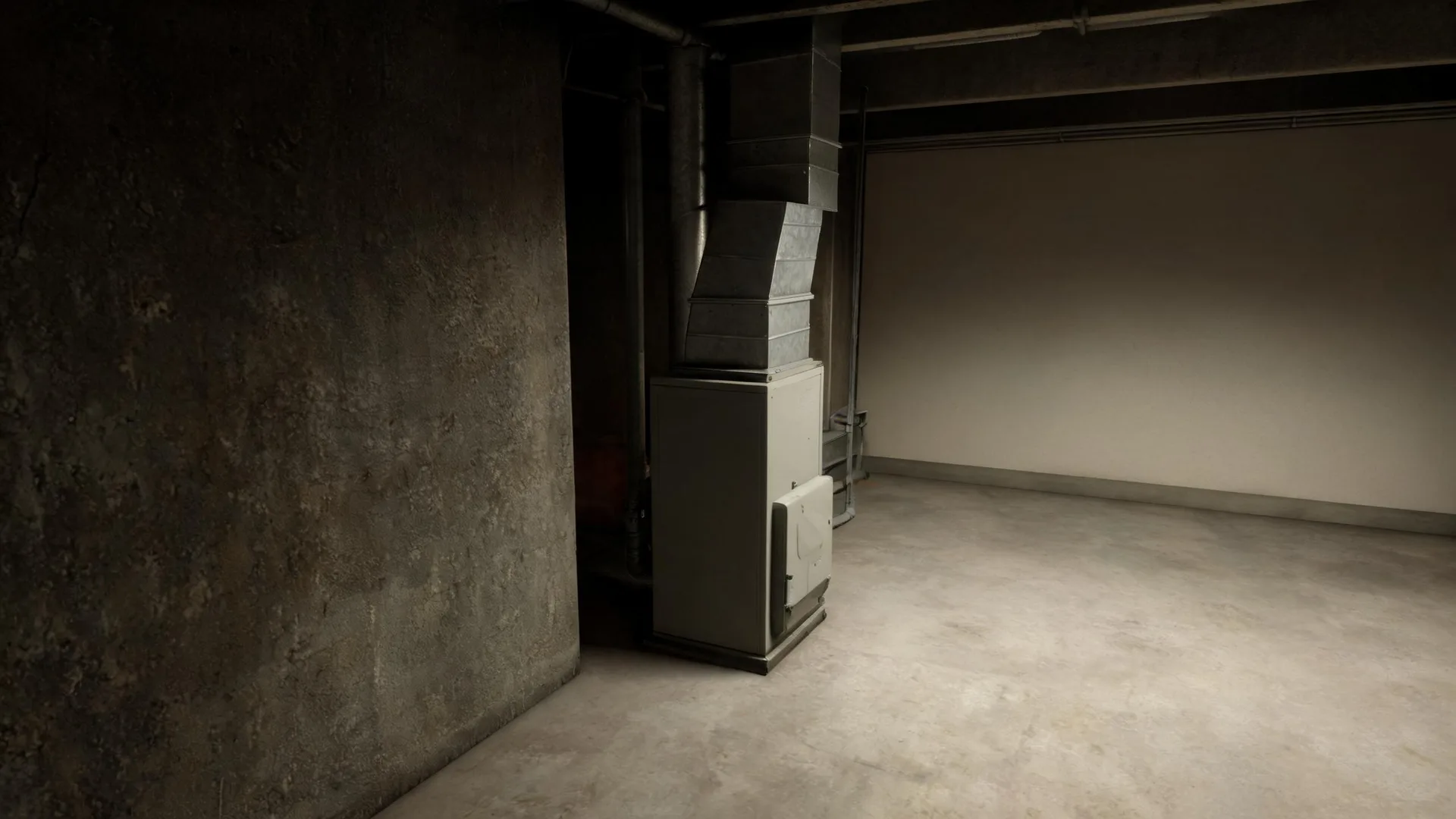
Sizing a furnace for this county starts with knowing how much the burner and heat exchanger are actually asked to cycle. Homes in Yavapai County, AZ run heat about seven months a year, from October through April. A contractor running a load calculation here has to account for a system that spends the majority of the calendar firing, which means undersizing or a sloppy seal around the heat exchanger shows up in component wear sooner than it would somewhere the furnace sits off longer. The ignition system cycles every time the burner lights; over a long heating season those starts accumulate. A contractor who skips a careful Manual J and installs to a rough estimate is setting that equipment up to fail early.
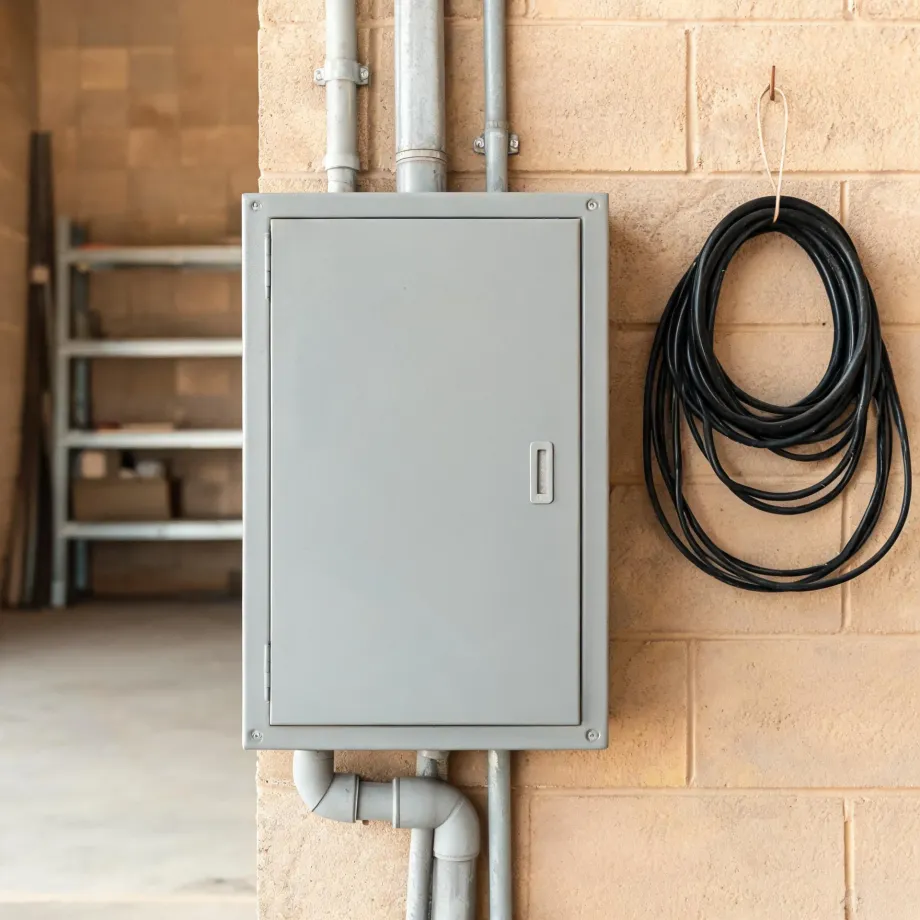
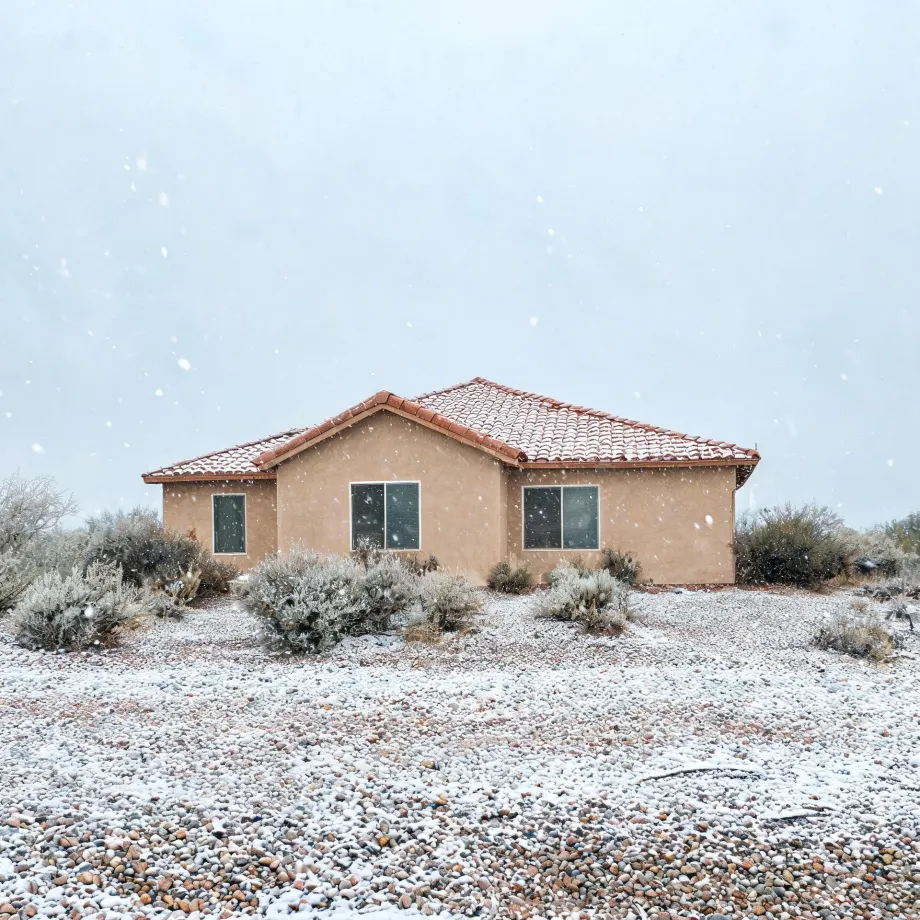
Existing ductwork is what a contractor prices before the furnace itself. Half the homes in Yavapai County, Arizona were built in 1995 or earlier (2020-2024 ACS 5-year). A house built for an earlier generation of heating equipment carries duct runs, trunk lines, and return paths that were sized around whatever the original system needed, and a new furnace draws differently. If those runs cannot carry the new unit's airflow, the contractor has to modify or reline them, and that work changes the scope of the job before the furnace is ever set on its pad.
What a Furnace Installation Covers
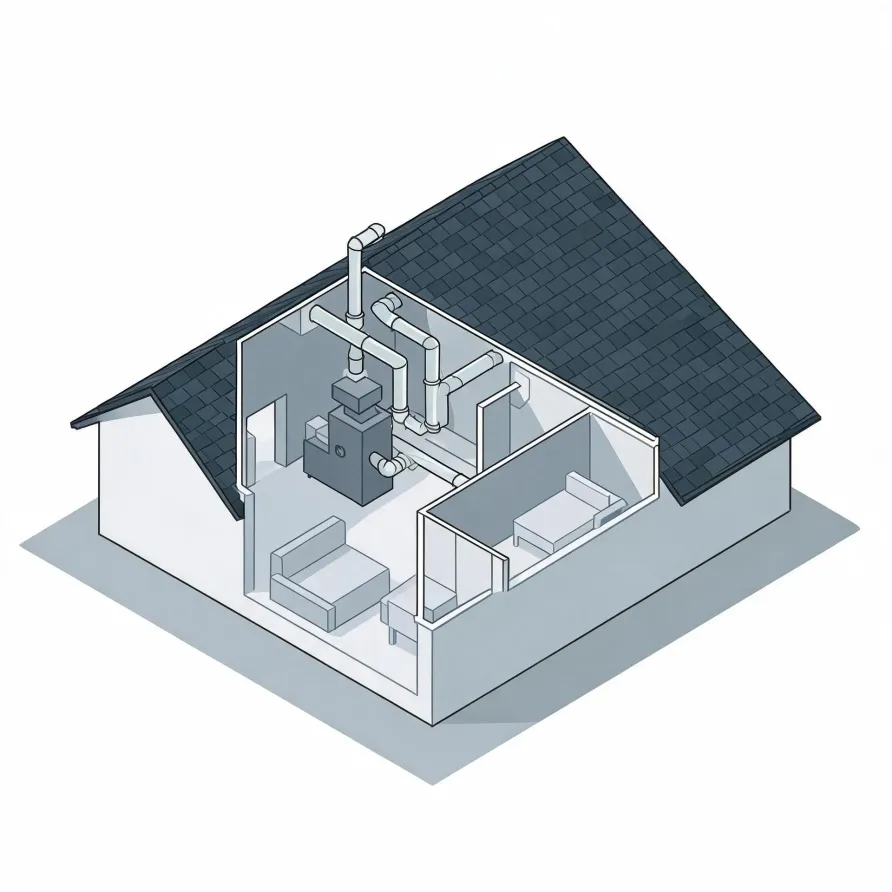
The furnace itself sits inside the house, most often in a utility room, basement, or closet, and it is the unit that heats the air. Alongside it, the flue pipe runs from the furnace to an exterior wall or roofline, carrying combustion gases out of the house. These are the pieces a homeowner sees when they look at the installation.
The air handler or blower cabinet moves conditioned air into the duct system, and on homes with central cooling, the outdoor condensing unit sits on a pad beside the house. The thermostat mounts on an interior wall and is the control point for the whole system.
The drawing shows a representative layout, and a licensed contractor determines what applies to the specifics of your house.
Find a contractor in Yavapai CountyYavapai County, by the numbers
180 severe weather events were recorded in Yavapai County, Arizona between 2015 and 2024.
NOAA National Centers for Environmental Information, Storm Events Database, bulk CSV export, events 2015-01-01 through 2024-12-31.Half the homes in Yavapai County, Arizona were built in 1995 or earlier (2020-2024 ACS 5-year).
U.S. Census Bureau, 2020-2024 American Community Survey 5-Year EstimatesYavapai County, Arizona holds 126,095 housing units (2020-2024 ACS 5-year).
U.S. Census Bureau, 2020-2024 American Community Survey 5-Year EstimatesOwners occupy 75.1% of the occupied homes in Yavapai County, Arizona (2020-2024 ACS 5-year).
U.S. Census Bureau, 2020-2024 American Community Survey 5-Year EstimatesFurnace Installation Rules for Yavapai County, Arizona5 codes and standards
What the installation actually looks like
Non-weatherized gas furnaces manufactured on or after November 19, 2015 must reach 80.0 percent AFUE.
Non-weatherized oil-fired furnaces manufactured on or after November 19, 2015 must reach 83.0 percent AFUE.
Mobile home gas furnaces manufactured on or after November 19, 2015 must reach 80.0 percent AFUE.
Non-weatherized gas furnaces manufactured on or after December 18, 2028 must reach 95.0 percent AFUE, up from the 80.0 percent minimum that applies to units manufactured before that date.
Licensing and Legal Requirements in Yavapai County, Arizona
Arizona requires a contractor licence in good standing: it is unlawful to engage in the business of contracting, to bid, or to act or hold yourself out as a contractor without one.
Severe Weather Events in Yavapai County
Extreme weather puts real demands on heating equipment, from how hard a furnace has to work to how long its components last. What happens in Yavapai County shapes what a furnace installation here needs to account for.
180 severe weather events, 2015–2024. Source: NOAA National Centers for Environmental Information, Storm Events Database.