Tell us about the job
Takes about a minute. No obligation.
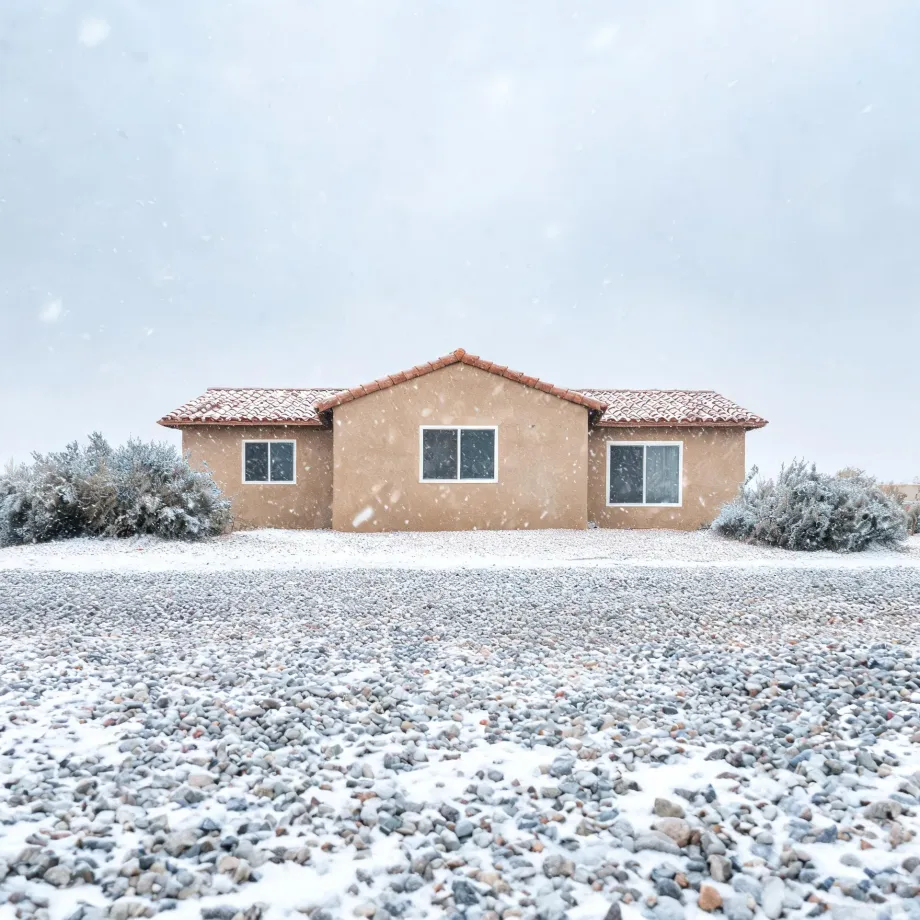
A furnace in this part of Arizona runs hard through a clear, bounded season, then sits idle until the following fall. Homes in Pima County, AZ run heat about five months a year, from November through March. The burner, heat exchanger, and ignition system absorb their cycling stress inside that window, then stand cold and unused until the next call for heat. A contractor pulling a heat exchanger for inspection can judge its condition against a predictable load, and wear that looks premature points toward undersizing or a combustion problem rather than simple age.
Older ductwork and aging electrical aside, the real variable in a furnace repair here is what the opened unit actually contains. Half the homes in Pima County, Arizona were built in 1986 or earlier (2020-2024 ACS 5-year). Systems running in houses that old are frequently drawing on parts that are out of production, and a contractor who opens the heat exchanger or the blower assembly may be looking at components with no direct replacement on the shelf. That changes the repair scope: a serviceable fix on paper can become a longer sourcing job, or a conversation about what the unit will cost to keep running.
The Parts of a Furnace a Contractor Checks First
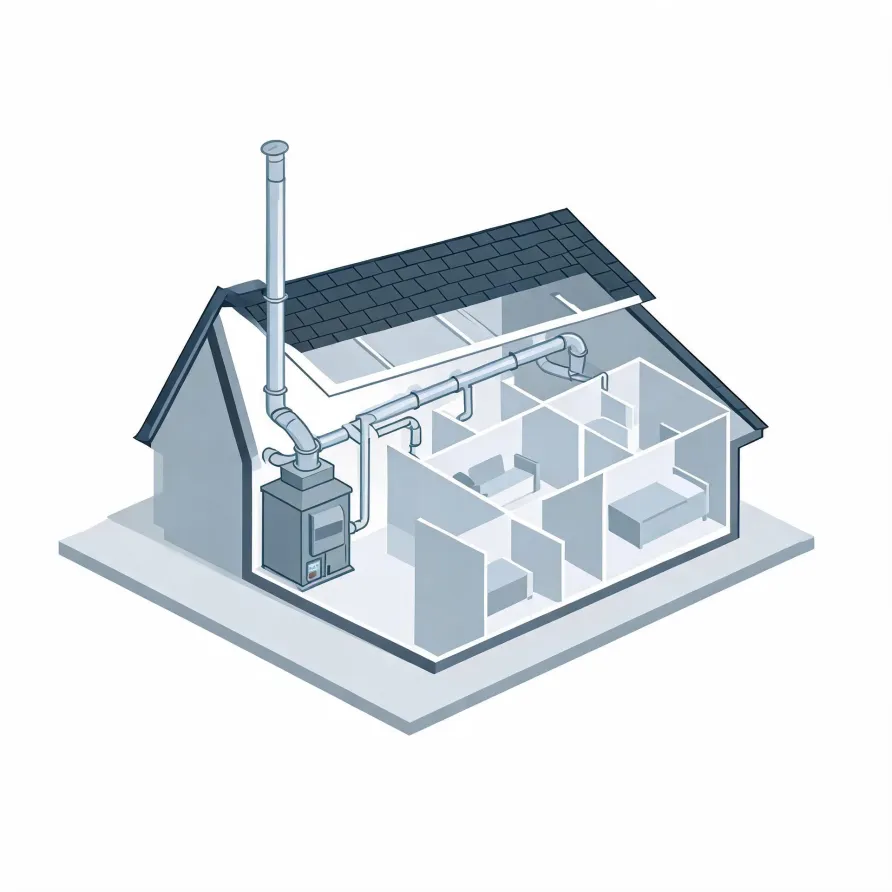
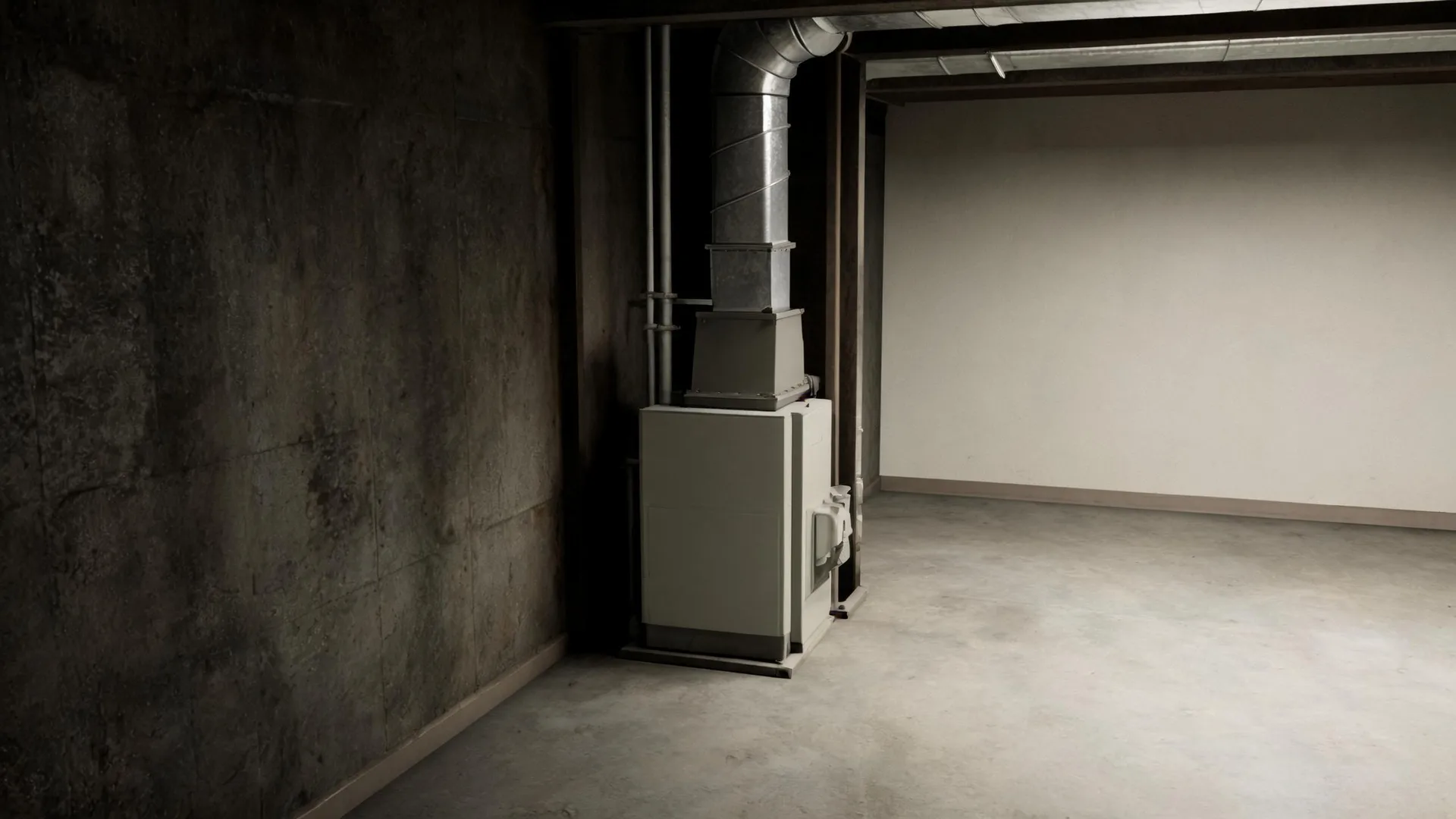
The furnace itself sits in a utility space, basement, or closet and is the piece a contractor opens first. Inside it are the heat exchanger, burners, and blower motor. When any of those go wrong, the symptoms differ: a cracked heat exchanger leaks combustion gases into the airstream, failed burners mean no heat at all, and a worn blower motor leaves air barely moving through the vents.
The flue pipe runs from the furnace to an exterior wall or roof and carries exhaust out of the house. The thermostat sits on a living-area wall and tells the furnace when to fire. A contractor also checks the limit switch and the igniter, two smaller components that control when the burners light and when they shut down, and are common failure points.
The drawing shows a representative layout, and a licensed contractor determines which components and conditions apply to your specific home.
Find a contractor in Pima CountyPima County by the numbers
405 severe weather events were recorded in Pima County, Arizona between 2015 and 2024.
NOAA National Centers for Environmental Information, Storm Events Database, bulk CSV export, events 2015-01-01 through 2024-12-31.Half the homes in Pima County, Arizona were built in 1986 or earlier (2020-2024 ACS 5-year).
U.S. Census Bureau, 2020-2024 American Community Survey 5-Year EstimatesPima County, Arizona holds 479,939 housing units (2020-2024 ACS 5-year).
U.S. Census Bureau, 2020-2024 American Community Survey 5-Year EstimatesOwners occupy 65.2% of the occupied homes in Pima County, Arizona (2020-2024 ACS 5-year).
U.S. Census Bureau, 2020-2024 American Community Survey 5-Year EstimatesFurnace Repair Rules & Standards on the Books for Pima County, Arizona5 sourced regulations and codes
What happens when a contractor comes out
Non-weatherized gas furnaces manufactured on or after November 19, 2015 must reach 80.0 percent AFUE.
Non-weatherized oil-fired furnaces manufactured on or after November 19, 2015 must reach 83.0 percent AFUE.
Mobile home gas furnaces manufactured on or after November 19, 2015 must reach 80.0 percent AFUE.
Non-weatherized gas furnaces manufactured on or after December 18, 2028 must reach 95.0 percent AFUE, up from the 80.0 percent minimum that applies to units manufactured before that date.
Licensing and Legal Requirements in Pima County, Arizona
Arizona requires a contractor licence in good standing: it is unlawful to engage in the business of contracting, to bid, or to act or hold yourself out as a contractor without one.
Weather Stress on HVAC Equipment in Pima County
Outdoor conditions place real load on furnace components over time. The harder local weather pushes a system, the more repair work that system accumulates.
405 severe weather events, 2015–2024. Source: NOAA National Centers for Environmental Information, Storm Events Database.