Tell us about the job
Takes about a minute. No obligation.
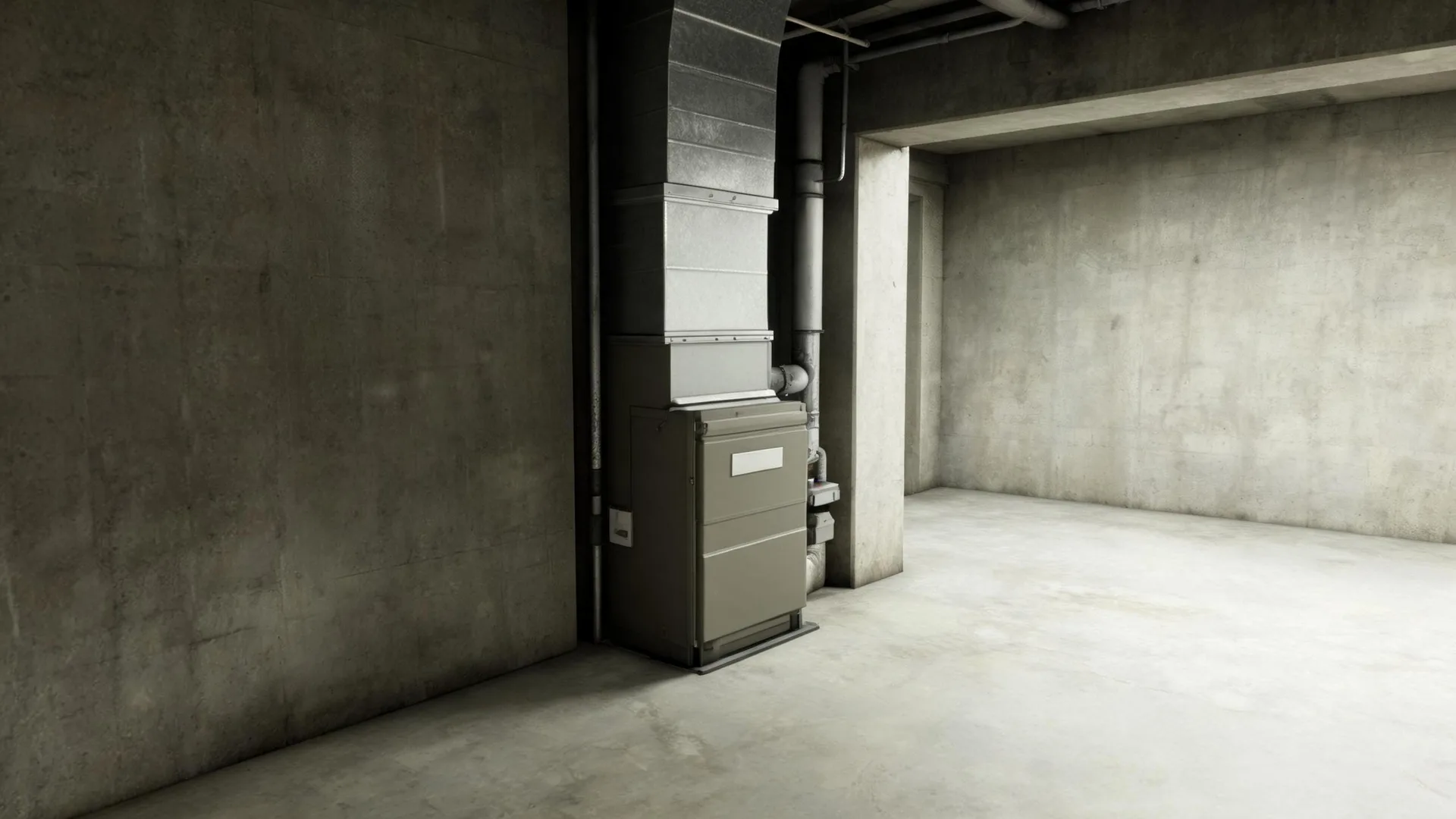
A contractor diagnosing a furnace repair in Maricopa County starts with the burner assembly and the ignition system, because those parts absorb nearly all of their annual cycling within a short, concentrated window. Homes in Maricopa County, AZ run heat about five months a year, from November through March. The heat exchanger and igniter log most of their stress in that period, then sit idle. A fault that developed late in the previous season waits there unnoticed until the first cold night of the next one, which is also when every other call comes in. Contractors working repairs here look at ignition components and burner condition before anything else.
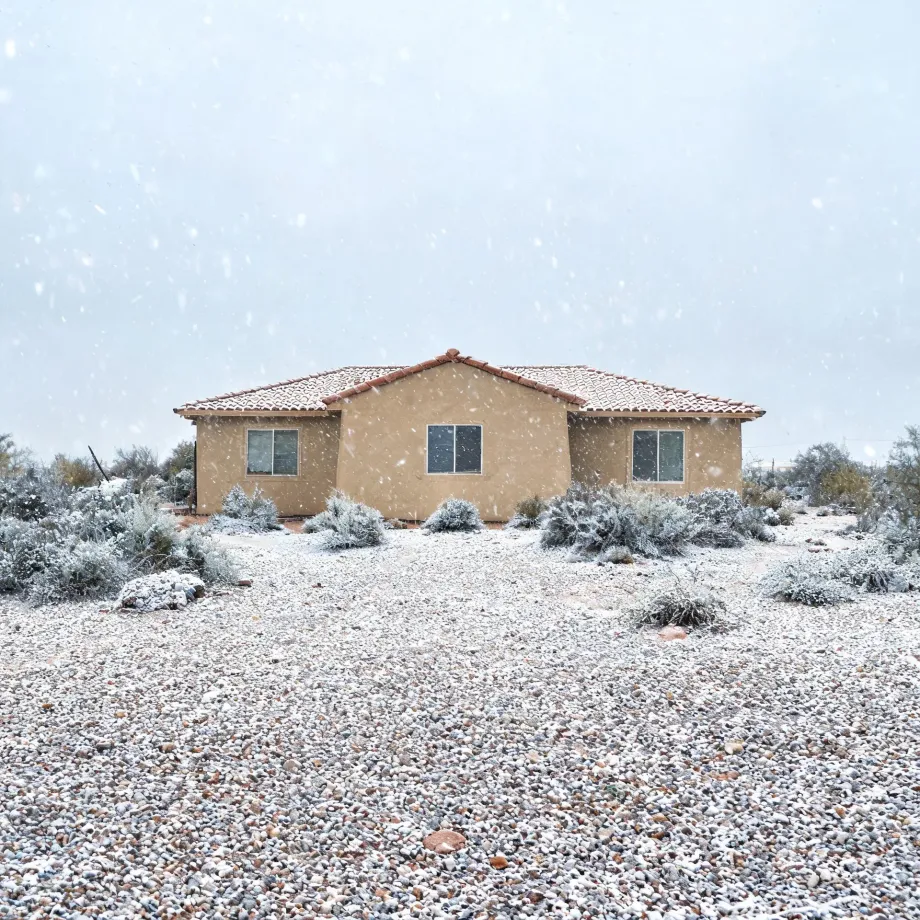
Stock this seasoned tends to hold its surprises inside the unit. Half the homes in Maricopa County, Arizona were built in 1993 or earlier (2020-2024 ACS 5-year). A furnace that runs and heats can still have a cracked heat exchanger or a blower wheel so worn it is pulling more current than the motor was rated to handle. A contractor opening the cabinet finds the actual condition of those components, and that finding sets the repair scope, the parts list, and whether repairing makes sense at all.
The Parts of a Furnace a Contractor Checks First
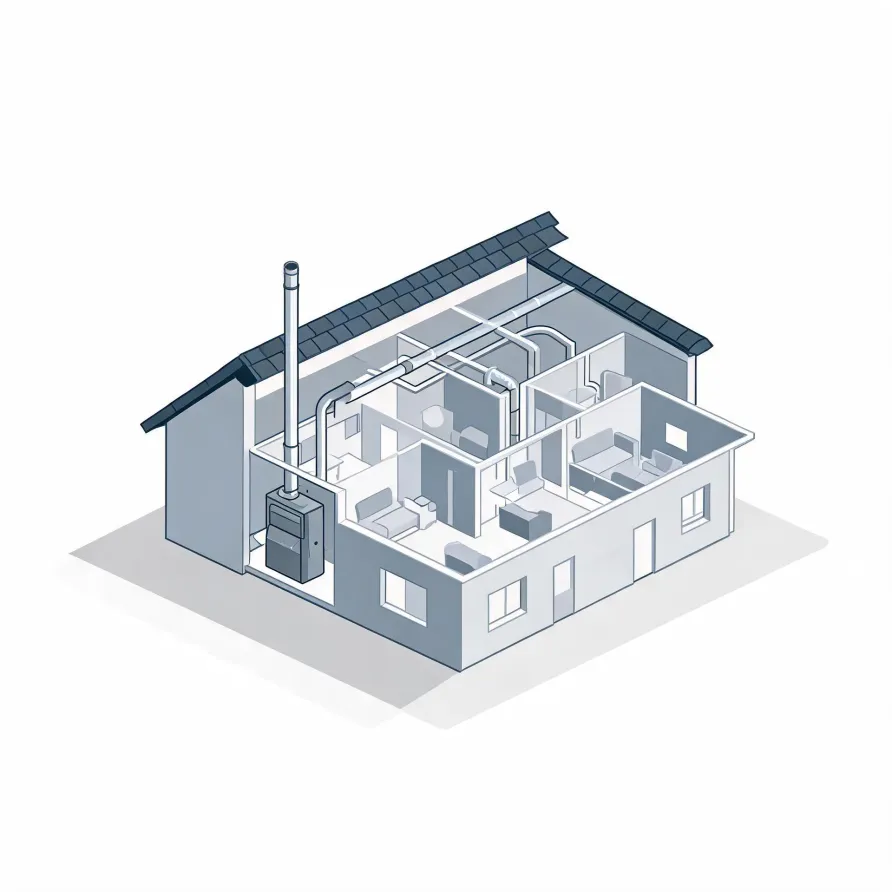
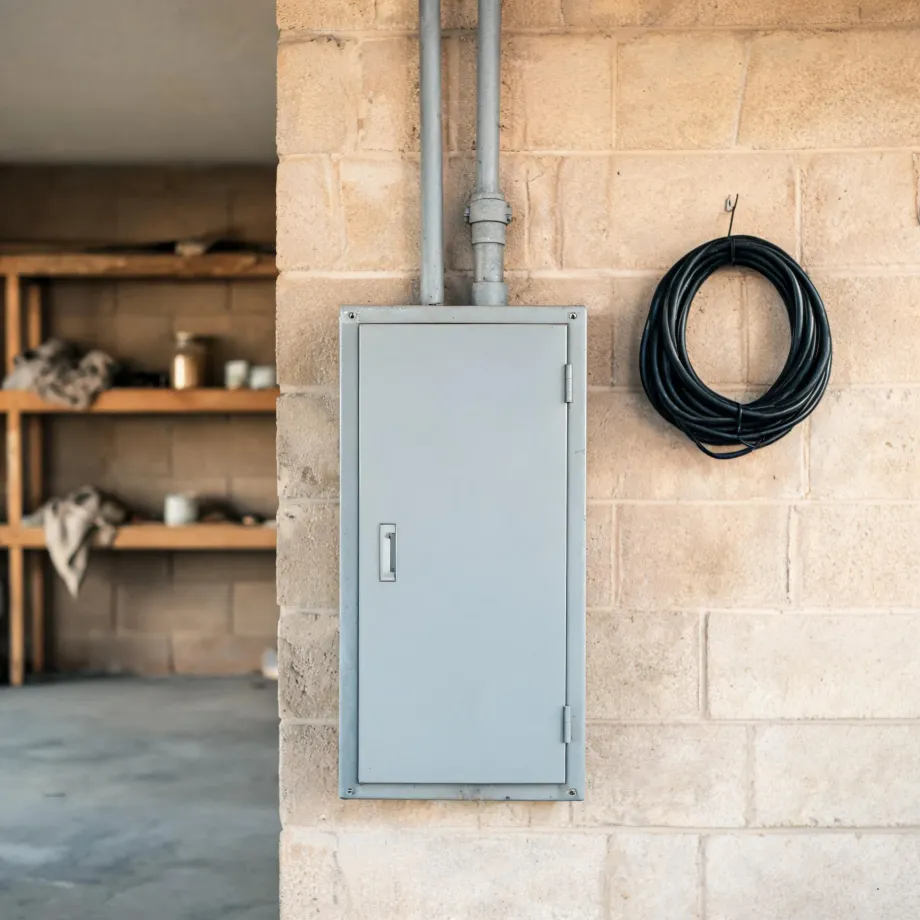
The furnace itself sits in a utility space, basement, or closet and is the piece a contractor reaches first. Inside it, the heat exchanger is the most consequential part to inspect: cracks or corrosion there let combustion gases into the living space. The burners, igniter, and flame sensor sit just below it and are common sources of no-heat calls.
The blower motor and its wheel sit at the base of the furnace cabinet and push conditioned air out through the supply side. The flue pipe runs from the top of the furnace to an exterior wall or roofline and carries exhaust out of the house. The thermostat on an interior wall is where a contractor often starts, ruling out a controls problem before opening the cabinet.
The drawing shows a representative layout, and a licensed contractor determines which components apply and what condition they are in for your specific system.
Find a contractor in Maricopa CountyMaricopa County, by the numbers
835 severe weather events were recorded in Maricopa County, Arizona between 2015 and 2024.
NOAA National Centers for Environmental Information, Storm Events Database, bulk CSV export, events 2015-01-01 through 2024-12-31.Half the homes in Maricopa County, Arizona were built in 1993 or earlier (2020-2024 ACS 5-year).
U.S. Census Bureau, 2020-2024 American Community Survey 5-Year EstimatesMaricopa County, Arizona holds 1,884,334 housing units (2020-2024 ACS 5-year).
U.S. Census Bureau, 2020-2024 American Community Survey 5-Year EstimatesOwners occupy 65.2% of the occupied homes in Maricopa County, Arizona (2020-2024 ACS 5-year).
U.S. Census Bureau, 2020-2024 American Community Survey 5-Year EstimatesFurnace & HVAC Repair Rules on the Books for Maricopa County, Arizona5 codes & standards
What happens when the contractor shows up
Non-weatherized gas furnaces manufactured on or after November 19, 2015 must reach 80.0 percent AFUE.
Non-weatherized oil-fired furnaces manufactured on or after November 19, 2015 must reach 83.0 percent AFUE.
Mobile home gas furnaces manufactured on or after November 19, 2015 must reach 80.0 percent AFUE.
Non-weatherized gas furnaces manufactured on or after December 18, 2028 must reach 95.0 percent AFUE, up from the 80.0 percent minimum that applies to units manufactured before that date.
Licensing and Legal Requirements in Maricopa County, Arizona
Arizona requires a contractor licence in good standing: it is unlawful to engage in the business of contracting, to bid, or to act or hold yourself out as a contractor without one.
Severe Weather Events in Maricopa County
Extreme weather puts real strain on furnace components, forcing systems to run harder and fail sooner. How often that happens in Maricopa County shapes what local repair work actually looks like.
835 severe weather events, 2015–2024. Source: NOAA National Centers for Environmental Information, Storm Events Database.