Tell us about the job
Takes about a minute. No obligation.
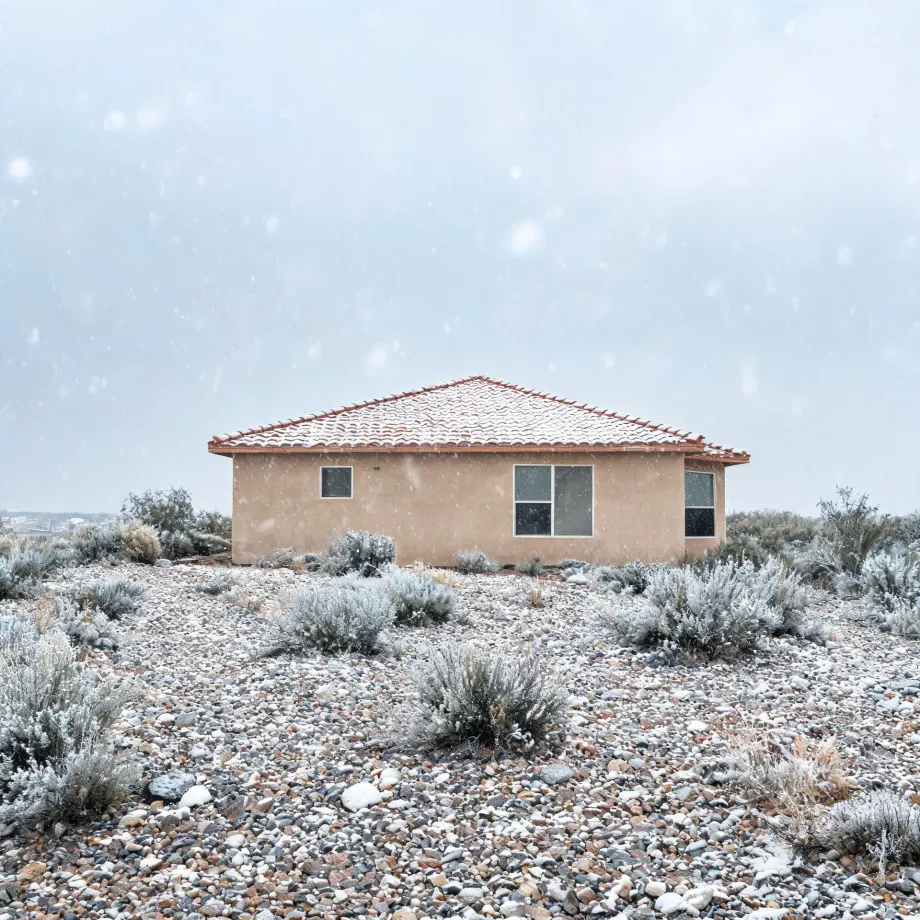
Homes in Coconino County, AZ run heat about eight months a year, from October through May. The burner and ignition system cycle every time the furnace fires, and a long heating season stacks those cycles until the parts that light and sustain combustion are the first to show fatigue. A contractor diagnosing a furnace here checks the igniter, the flame sensor, and the heat exchanger before chasing secondary causes, because those components absorb the load. Ductwork and filters follow, but the combustion side is where the wear lands first.
Furnaces in housing stock this old carry a parts history that shapes every repair. Half the homes in Coconino County, Arizona were built in 1991 or earlier (2020-2024 ACS 5-year). When a contractor opens a unit, what decides the job is whether the components inside still have a current supply chain behind them, or whether what broke is something that now ships on a long lead, arrives as a near-fit substitute, or no longer ships at all. That gap between what the system was built to take and what distributors stock today is where a furnace repair in this county gets complicated.
The Parts of a Furnace a Contractor Checks First
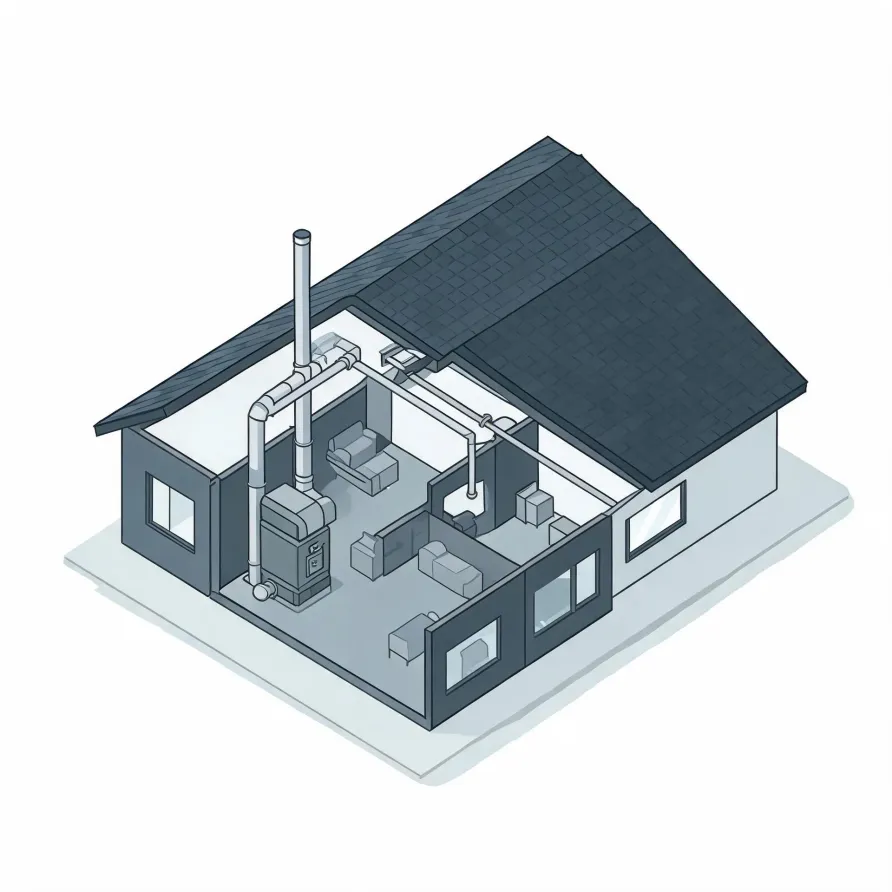
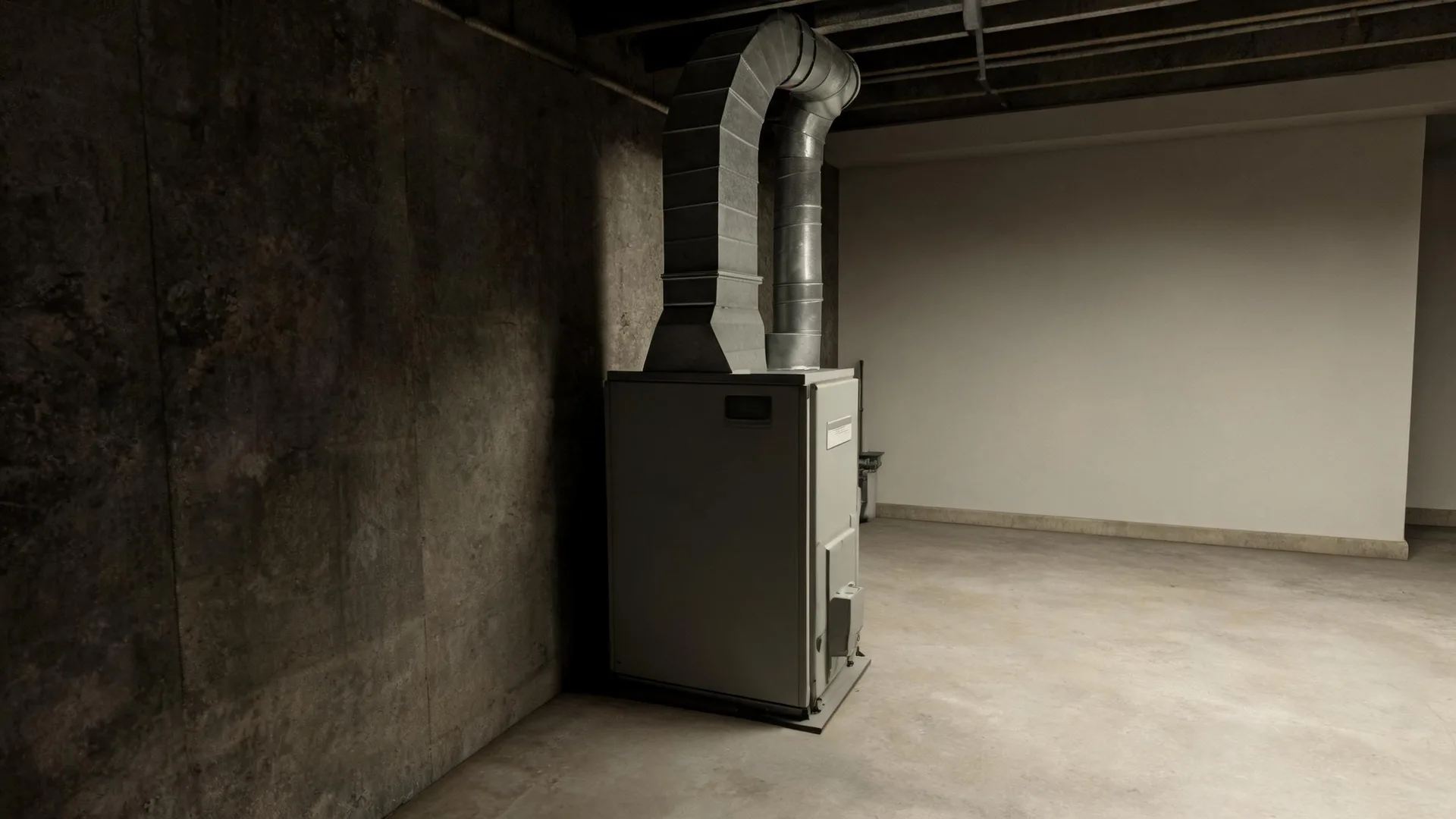
The furnace itself sits in the basement, utility closet, or garage and is the piece a contractor goes to first. Inside it, the heat exchanger does the core work of warming air, and a cracked or corroded exchanger is one of the more serious faults a technician looks for. The burners, igniter, and flame sensor all work together to start and sustain combustion, and any one of them can be the reason a furnace fails to fire.
The blower motor and its fan wheel sit at the base of the furnace cabinet and push conditioned air into the ducts. The control board runs the whole sequence, and when signals break down, tracing the fault back to the board is a standard part of any diagnostic. The flue or exhaust vent runs from the cabinet to the outside and gets checked for blockages or separation whenever combustion problems are on the table.
The drawing shows the general layout of a furnace system, and a licensed contractor determines which components apply and what condition they are in for your specific home.
Find a contractor in Coconino CountyCoconino County, by the record
396 severe weather events were recorded in Coconino County, Arizona between 2015 and 2024.
NOAA National Centers for Environmental Information, Storm Events Database, bulk CSV export, events 2015-01-01 through 2024-12-31.Half the homes in Coconino County, Arizona were built in 1991 or earlier (2020-2024 ACS 5-year).
U.S. Census Bureau, 2020-2024 American Community Survey 5-Year EstimatesCoconino County, Arizona holds 70,645 housing units (2020-2024 ACS 5-year).
U.S. Census Bureau, 2020-2024 American Community Survey 5-Year EstimatesOwners occupy 59.7% of the occupied homes in Coconino County, Arizona (2020-2024 ACS 5-year).
U.S. Census Bureau, 2020-2024 American Community Survey 5-Year EstimatesCodes & Standards Governing Furnace Repair in Coconino County, Arizona5 sourced rules and standards
What the repair visit looks like
Non-weatherized gas furnaces manufactured on or after November 19, 2015 must reach 80.0 percent AFUE.
Non-weatherized oil-fired furnaces manufactured on or after November 19, 2015 must reach 83.0 percent AFUE.
Mobile home gas furnaces manufactured on or after November 19, 2015 must reach 80.0 percent AFUE.
Non-weatherized gas furnaces manufactured on or after December 18, 2028 must reach 95.0 percent AFUE, up from the 80.0 percent minimum that applies to units manufactured before that date.
Licensing and Legal Requirements in Coconino County, Arizona
Arizona requires a contractor licence in good standing: it is unlawful to engage in the business of contracting, to bid, or to act or hold yourself out as a contractor without one.
Severe Weather Events in Coconino County
Extreme weather puts real stress on heating equipment: hard freezes, high winds, and sudden temperature swings all push furnaces to work harder and fail sooner. How much of that a furnace takes on depends on where it sits, which is why local weather history is part of the repair picture in Coconino County.
396 severe weather events, 2015–2024. Source: NOAA National Centers for Environmental Information, Storm Events Database.