Tell us about the job
Takes about a minute. No obligation.
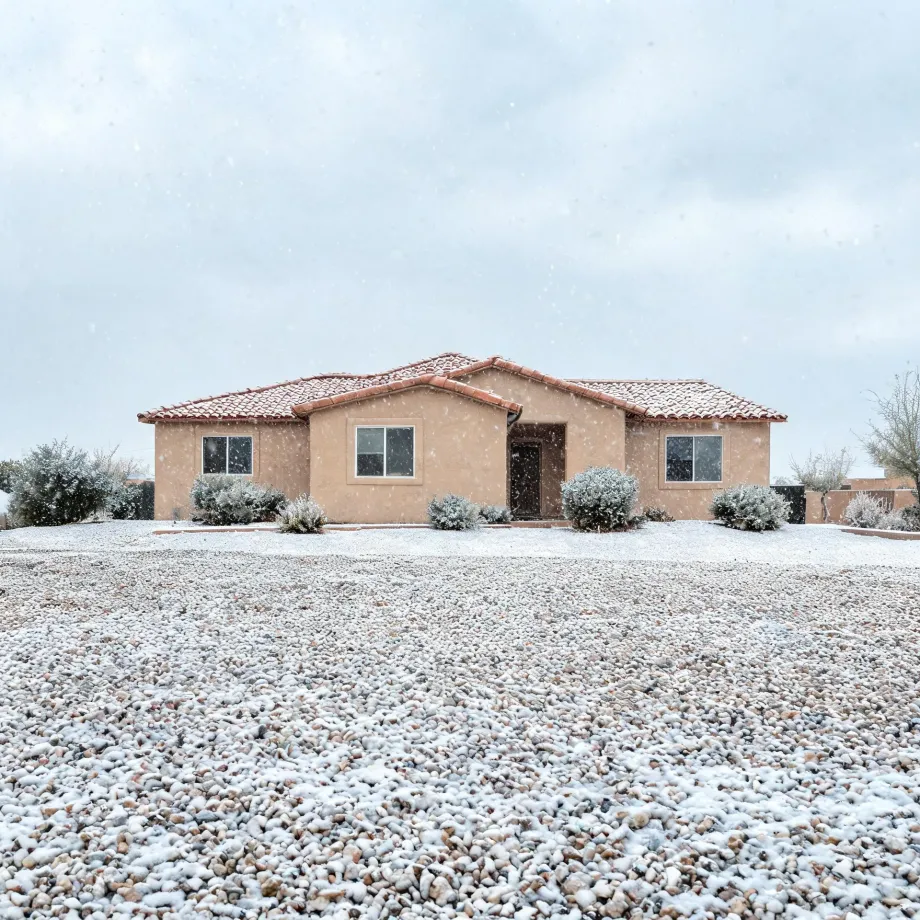
A contractor diagnosing a furnace repair in Gila County checks the burner, heat exchanger, and ignition system first, because those are the parts that cycle through every heating call. Homes in Gila County, AZ run heat about six months a year, from November through April. The igniter, in particular, degrades through repeated thermal stress, and a furnace running that steadily through cold months will expose a weak one before spring. Idle months do not erase that wear; a component that cracked under load in April is still cracked in November.
Furnace parts availability is the first thing a contractor has to settle in a county where much of the housing predates the equipment now running in it. Half the homes in Gila County, Arizona were built in 1986 or earlier (2020-2024 ACS 5-year). A system installed into that stock has already been replaced or modified at least once, which means the unit a contractor opens is younger than the house around it. What the opened unit actually contains, and whether the manufacturer still supplies those components, is what determines the repair scope. If the parts are discontinued, the contractor quotes a replacement; if they are not, the job stays a repair.
The Parts of a Furnace a Contractor Checks First
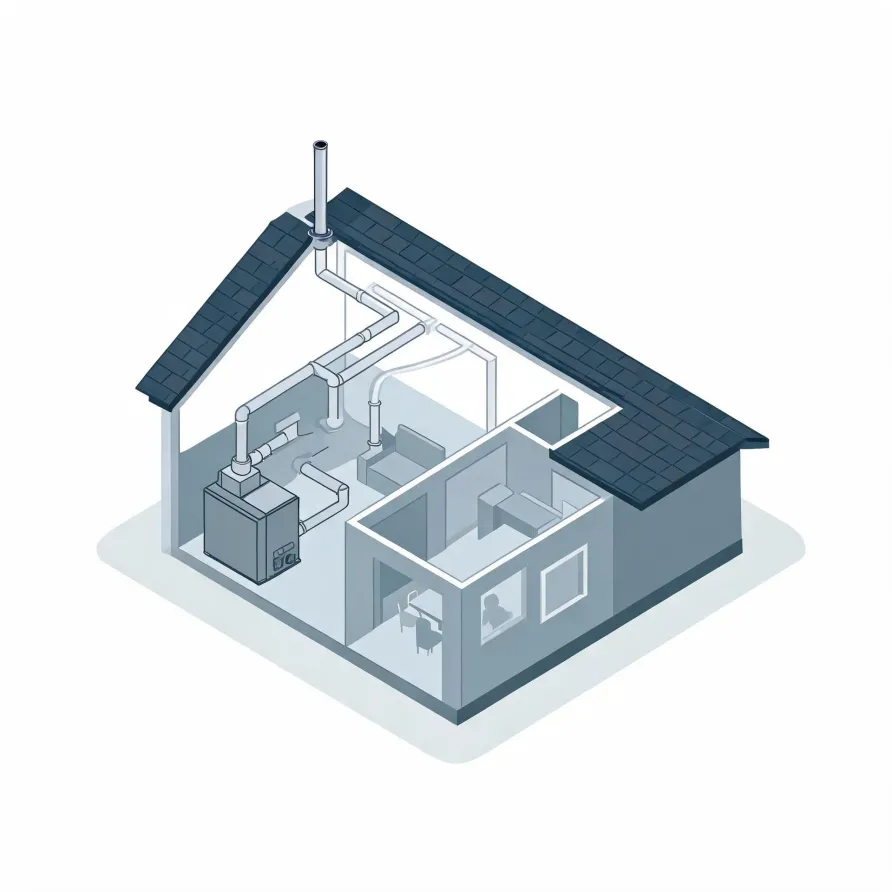
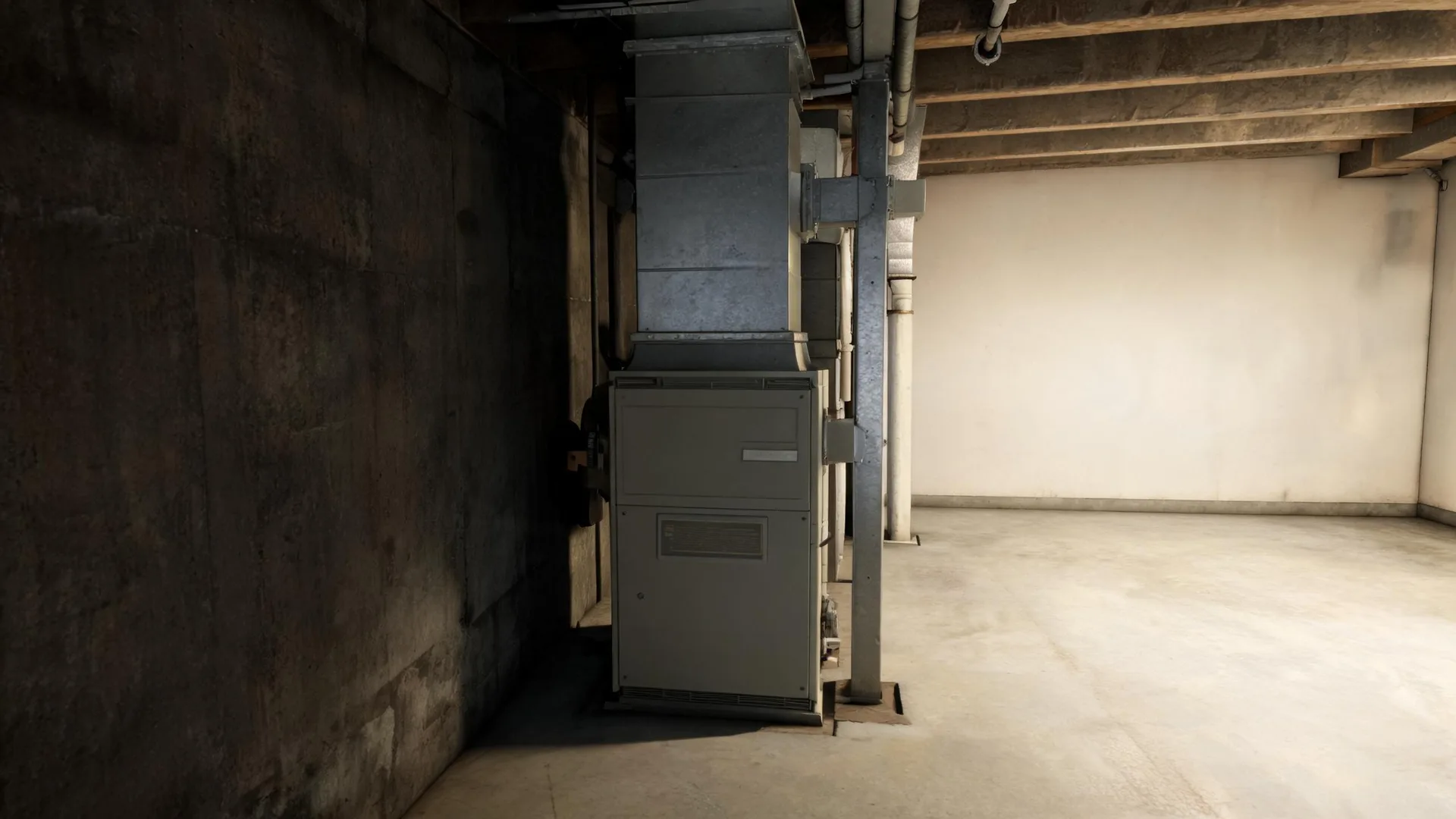
The furnace itself sits in a utility room, basement, or closet and is the piece that produces heat. Inside it, the heat exchanger and burner assembly are what contractors look at when a furnace runs but heats poorly, short-cycles, or trips the system off. A cracked heat exchanger or a failing burner shows up in those symptoms before anything else does.
The blower motor and fan sit inside the furnace cabinet and push conditioned air into the supply side of the house. The flue pipe runs from the cabinet to an exterior vent and carries combustion gases out. The thermostat on the wall controls the whole sequence, and a bad signal from it can mimic a mechanical failure deeper in the system.
The drawing shows a representative layout, and a licensed contractor determines which components and conditions apply to your specific home.
Find a contractor in Gila CountyGila County by the numbers
67 severe weather events were recorded in Gila County, Arizona between 2015 and 2024.
NOAA National Centers for Environmental Information, Storm Events Database, bulk CSV export, events 2015-01-01 through 2024-12-31.Half the homes in Gila County, Arizona were built in 1986 or earlier (2020-2024 ACS 5-year).
U.S. Census Bureau, 2020-2024 American Community Survey 5-Year EstimatesGila County, Arizona holds 32,742 housing units (2020-2024 ACS 5-year).
U.S. Census Bureau, 2020-2024 American Community Survey 5-Year EstimatesOwners occupy 77.5% of the occupied homes in Gila County, Arizona (2020-2024 ACS 5-year).
U.S. Census Bureau, 2020-2024 American Community Survey 5-Year EstimatesCodes & Standards Governing Furnace Repair in Gila County, Arizona5 sourced rules and standards
What the repair visit looks like
Non-weatherized gas furnaces manufactured on or after November 19, 2015 must reach 80.0 percent AFUE.
Non-weatherized oil-fired furnaces manufactured on or after November 19, 2015 must reach 83.0 percent AFUE.
Mobile home gas furnaces manufactured on or after November 19, 2015 must reach 80.0 percent AFUE.
Non-weatherized gas furnaces manufactured on or after December 18, 2028 must reach 95.0 percent AFUE, up from the 80.0 percent minimum that applies to units manufactured before that date.
Licensing and Legal Requirements in Gila County, Arizona
Arizona requires a contractor licence in good standing: it is unlawful to engage in the business of contracting, to bid, or to act or hold yourself out as a contractor without one.
Severe Weather Events in Gila County
Extreme weather puts real stress on furnace components, forcing systems to run harder and longer than they would under mild conditions. How often that happens in Gila County shapes what repairs come up, how soon parts wear, and what a local contractor sees on the job.
67 severe weather events, 2015–2024. Source: NOAA National Centers for Environmental Information, Storm Events Database.